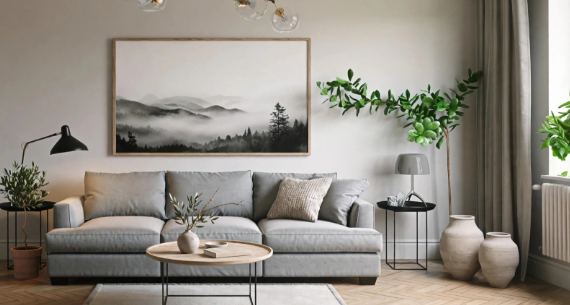
The essence of quiet luxury home decor is not to show off what you’ve purchased, but rather to make your home feel comfortable, refined, classic and put-together.
Then style emphasizes warm shades, exquisite textures, natural materials, fine-looking furniture, subdued lighting, and strategic design selections, rather than cramming a space with trendy items.
The best part? Most importantly, you don’t need every item in your home to be expensive. Instead, the essence of quiet luxury lies in how you select, combine, and edit the pieces you already have. As a result, even simple, affordable items can create a polished and elegant look when they are thoughtfully arranged.
And the current interior design coverage is also helping to shift the ambiance to warmer, more homey spaces instead of showroom-like neatly beige rooms.
If you’re decorating on a budget, explore Luxury Home Decor on a Budget: 25 Ways to Make Your Home Look Expensive for practical ideas that can help you create an elegant, polished look without overspending.
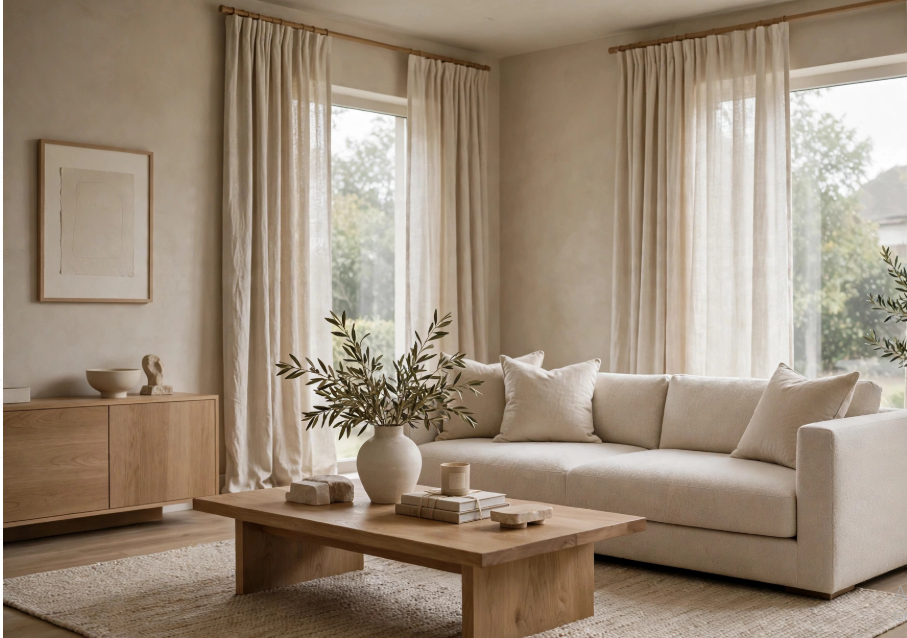
What Is Quiet Luxury Home Decor?
Quiet luxury home decor is an understated approach to interior design that emphasizes quality, comfort, craftsmanship, proportion, and restraint.
Think:
- warm neutral colors
- natural wood and stone
- linen and wool
- comfortable upholstery
- subtle metal finishes
- layered lighting
- timeless furniture
- meaningful artwork
- uncluttered surfaces
- carefully selected accessories
It’s akin to minimalism, in that it uses elements that wouldn’t distract from the rest of the design, but minimalism doesn’t equal sparseness or even starkness. The end result is a room that is purposeful, comfortable and collected instead of empty.
Today’s designers increasingly emphasize that quiet luxury isn’t simply about using beige. Instead, it is about making thoughtful design decisions based on materials, comfort, proportion, and personal character. In other words, the goal is to create a space that feels refined and inviting while still reflecting the people who live there.
For more inspiration, explore 25 Luxury Home Decor Ideas for an Elegant, High-End Look to discover timeless ways to give your home a polished and sophisticated feel.
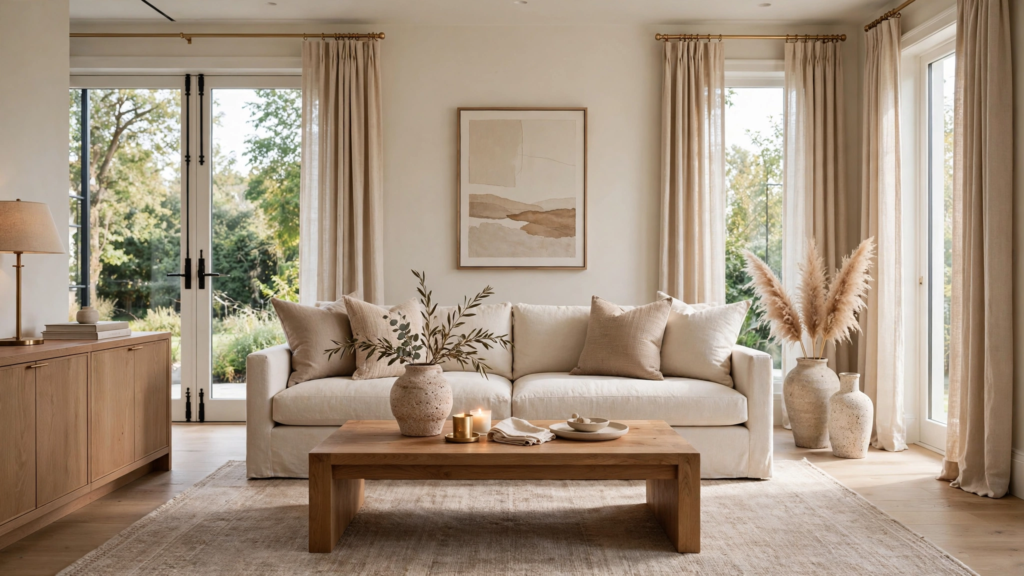
25 Quiet Luxury Home Decor Ideas
1.Start With a Warm, Restrained Color Palette for Quiet Luxury Home Decor
Begin with a calm foundation instead of choosing several competing colors.
Good starting shades include:
- warm white
- ivory
- cream
- beige
- taupe
- greige
- soft brown
- muted olive
- dusty blue
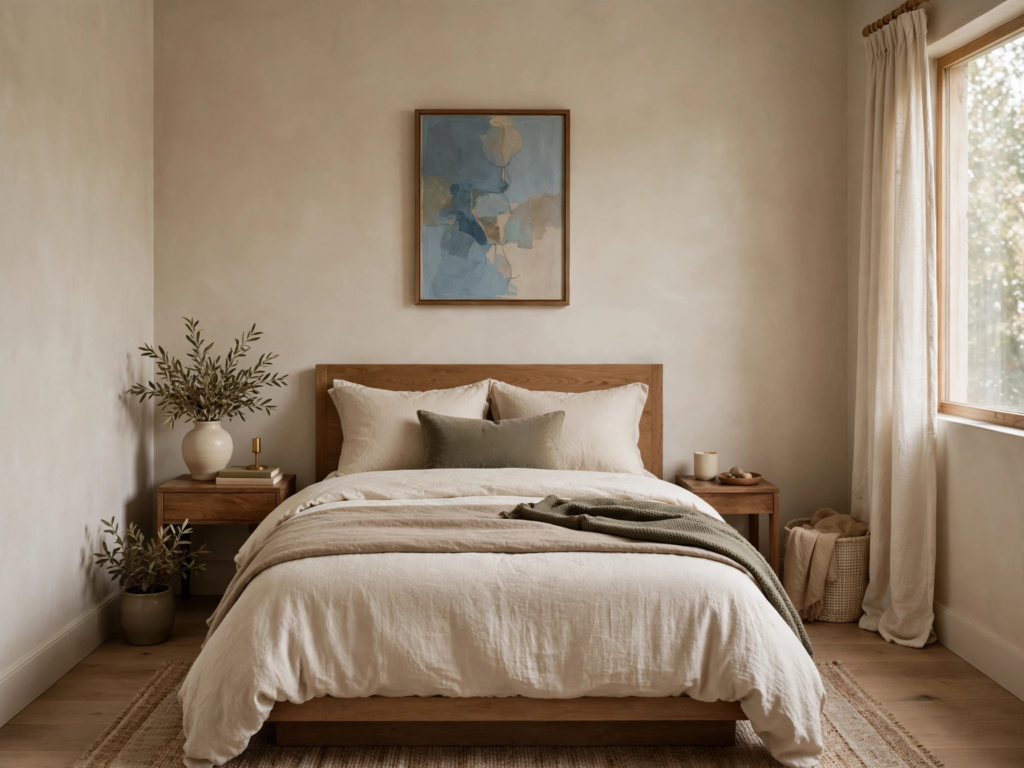
You don’t have to use only beige. A soft olive chair, brown wood table, or muted blue artwork can add personality while keeping the overall room calm.
The key is to keep the colors connected rather than introducing a new shade with every accessory.
If you’re working with a smaller space, Small Bedroom Layout With Queen Bed and Dresser: Smart Space-Saving Ideas can help you arrange essential furniture while keeping the room functional and uncluttered.
2. Choose Quality-Looking Natural Materials for Quiet Luxury Home Decor
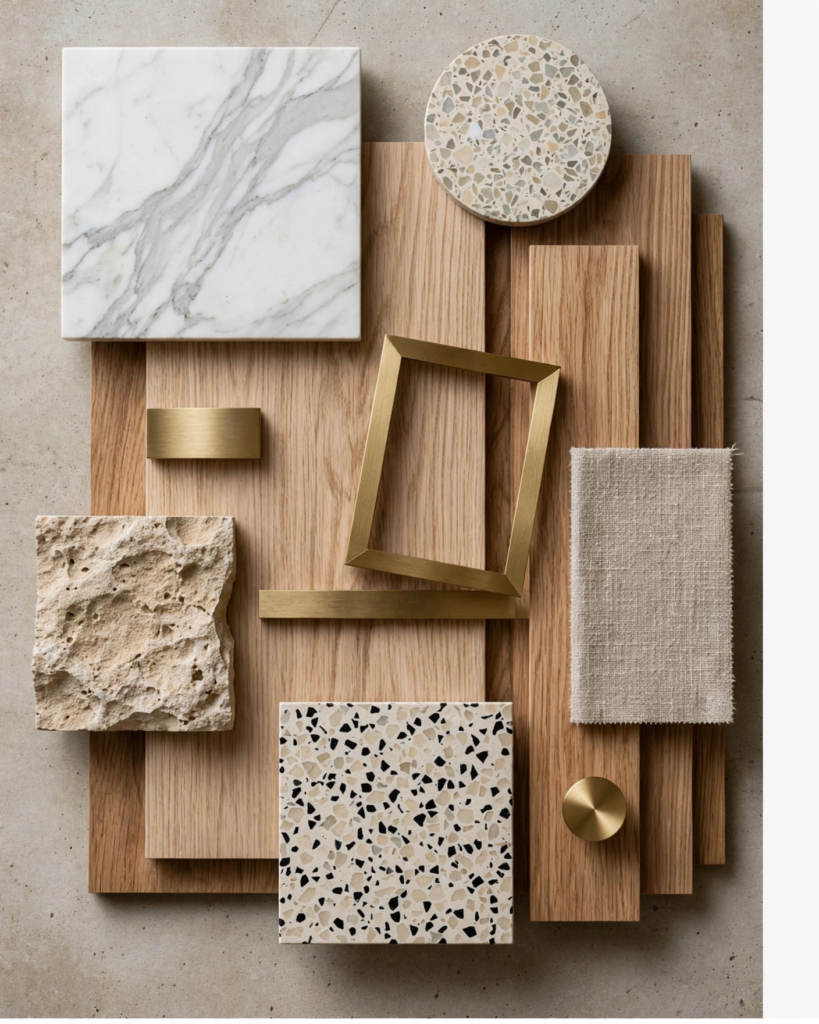
Materials can make a bigger difference than decorative labels.
Look for the visual and tactile qualities of:
- linen
- wool
- cotton
- wood
- stone
- marble
- jute
- ceramic
- leather
- aged or brushed metal
Natural materials often provide subtle variation, which helps a restrained room avoid looking flat.
3. Layer Texture Instead of Adding More Color in Quiet Luxury Home Decor
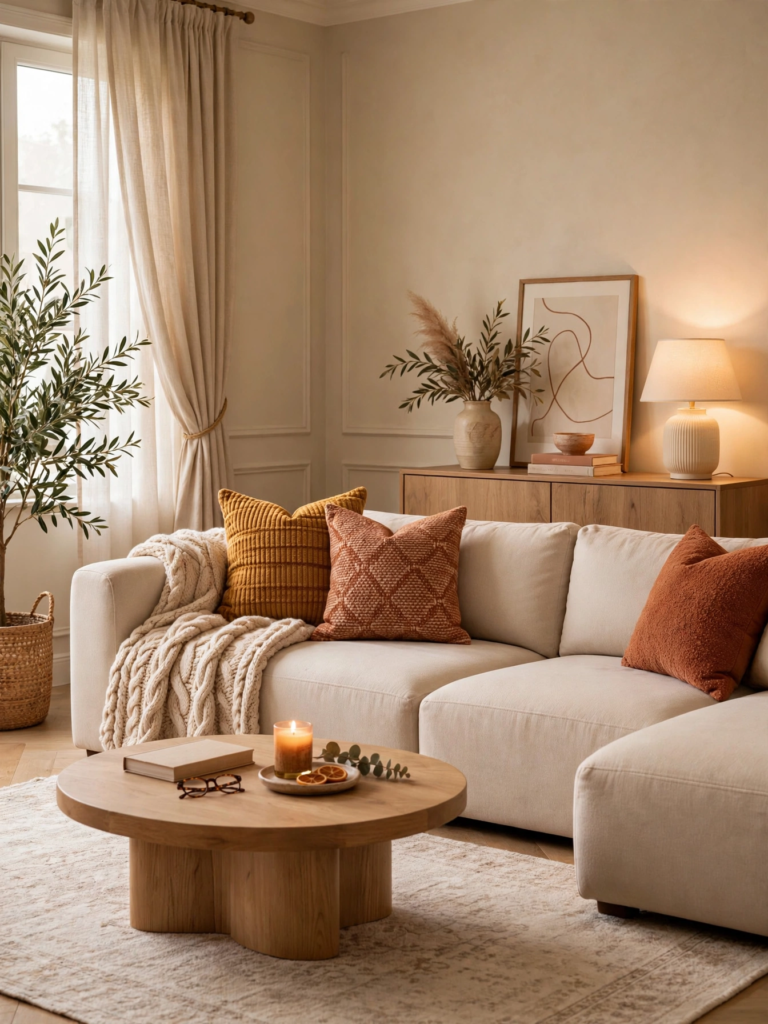
With simple palettes, texture becomes especially important. For example, pair a wool rug with linen curtains, a textured sofa, a wooden coffee table, and a ceramic vase. Together, these different materials add depth and visual interest without making the room feel overly busy.
The color may be the same and the surfaces can feel entirely different. This provides depth without competing patterns.
4. Give Furniture Room to Breathe in Quiet Luxury Home Decor
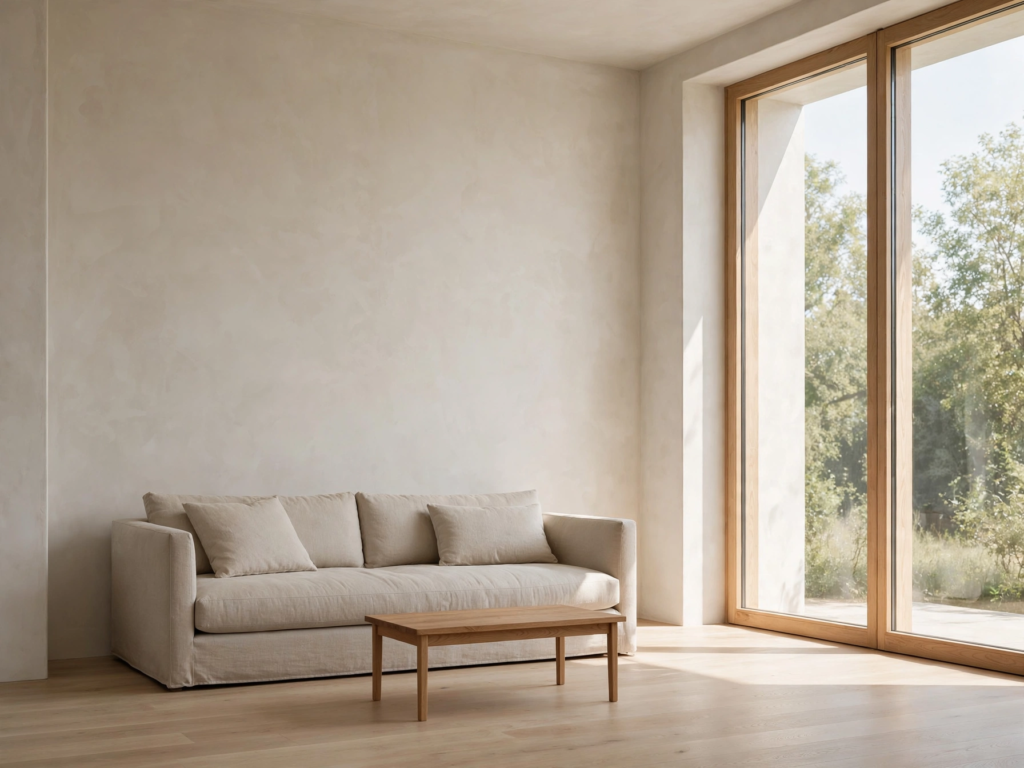
The most simple trick for creating a more expensive room is to eliminate clutter. Do not fill all available corners.
Instead, ask:
Does this piece enlarge the space or is it being used to fill space? With negative space, significant furniture pieces and art become more prominent.
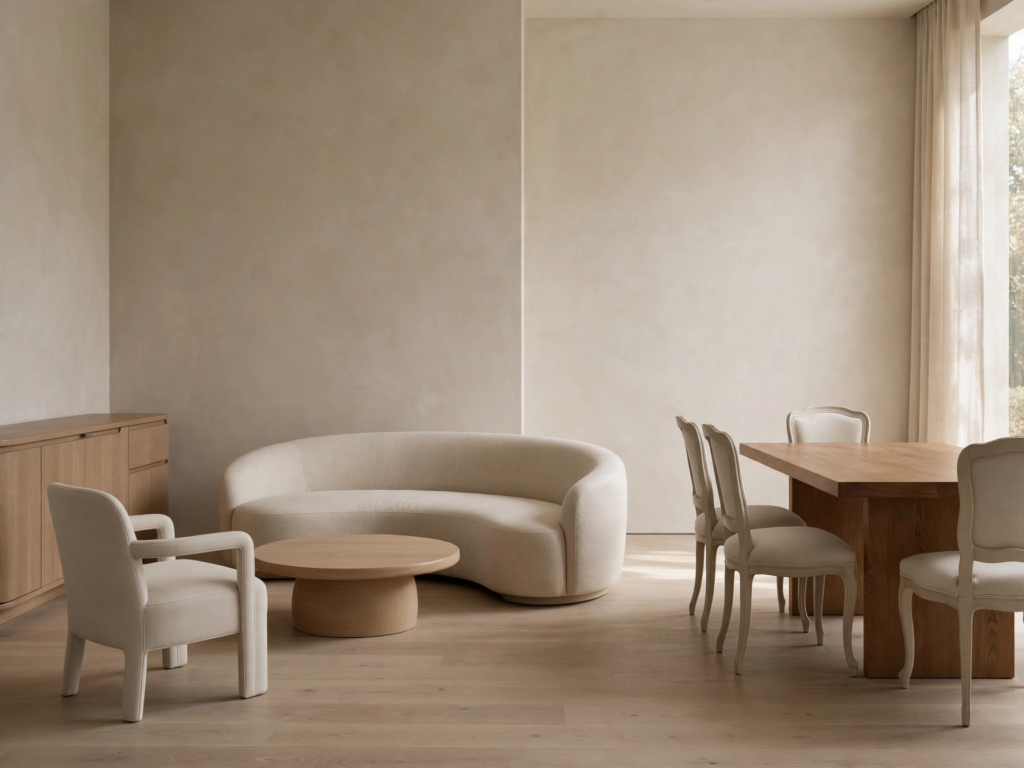
5. Choose Timeless Furniture Silhouettes for Quiet Luxury Home Decor
Quiet luxury furniture usually works best when the shape feels sophisticated without relying on excessive decoration.
Consider:
- softly curved sofas
- simple upholstered chairs
- substantial wood tables
- streamlined cabinets
- classic dining chairs
- upholstered beds
- rounded coffee tables
Avoid buying a piece simply because its shape is currently everywhere.
Choose silhouettes that you can imagine living with for years.
6. Use One Strong Focal Point in Quiet Luxury Home Decor
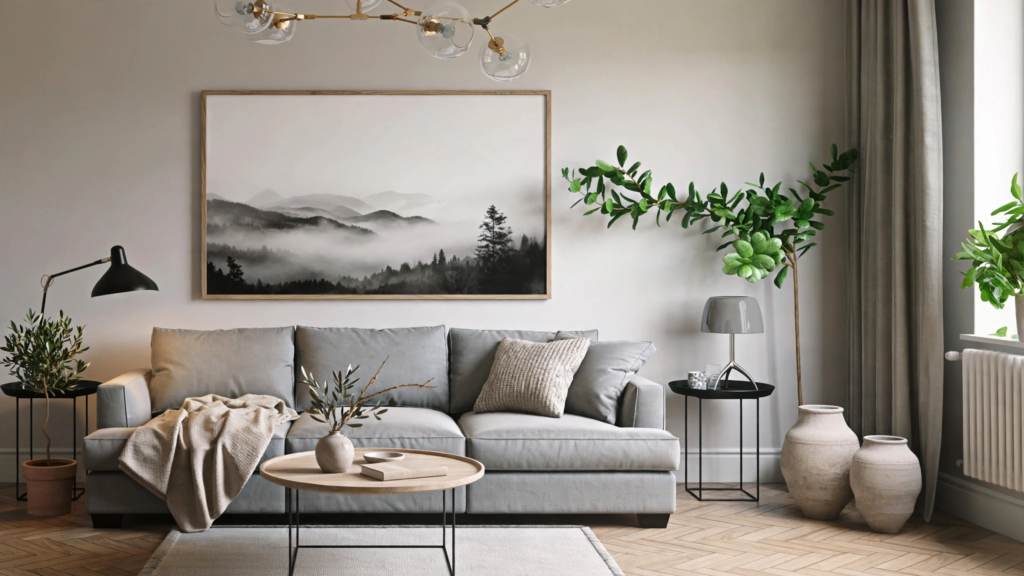
A room doesn’t need several statement pieces competing for attention.
Choose one main feature such as:
- an oversized artwork
- a beautiful fireplace
- a sculptural light
- an architectural feature
- a substantial coffee table
- an interesting vintage piece
Then let the rest of the room support it.
This creates a calmer visual hierarchy.
7.Upgrade Your Lighting for Quiet Luxury Home Decor
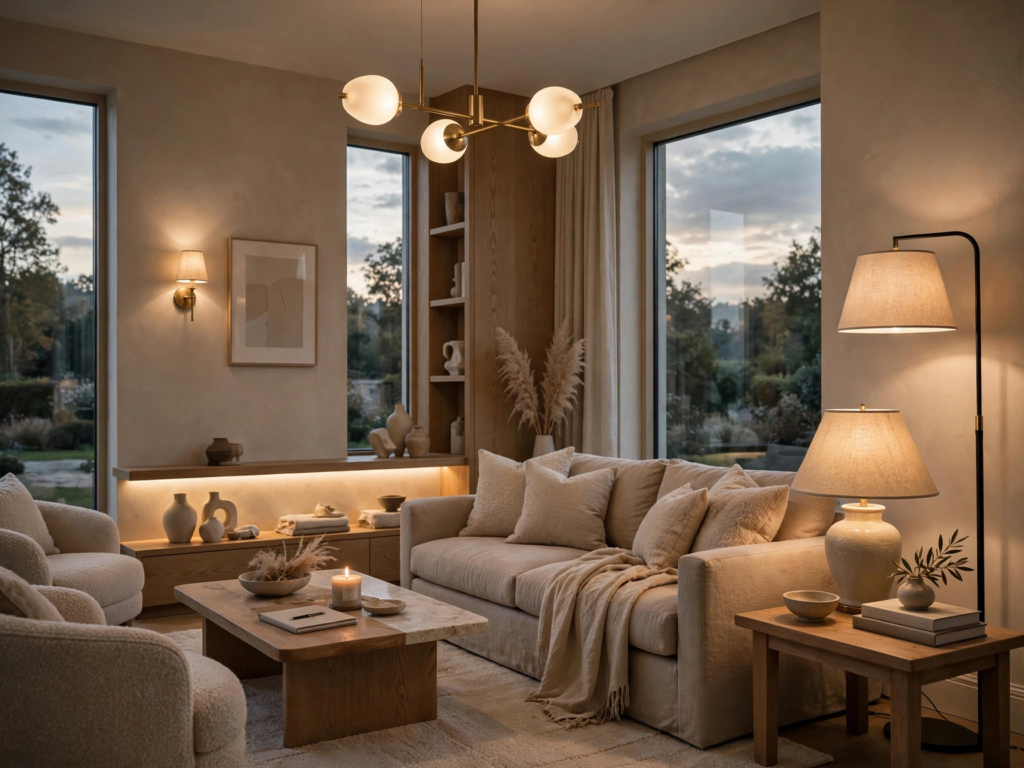
Lighting is one of the most important elements in quiet luxury home decor.
Instead of depending on one ceiling fixture, create layers with:
- table lamps
- floor lamps
- sconces
- ceiling fixtures
- accent lighting
- natural daylight
Layered lighting is repeatedly highlighted in current quiet-luxury guidance because it changes the atmosphere of a room without requiring lots of new decoration.
A beautiful room under harsh lighting can still feel unfinished.
8. Hang Curtains Higher and Wider for Quiet Luxury Home Decor
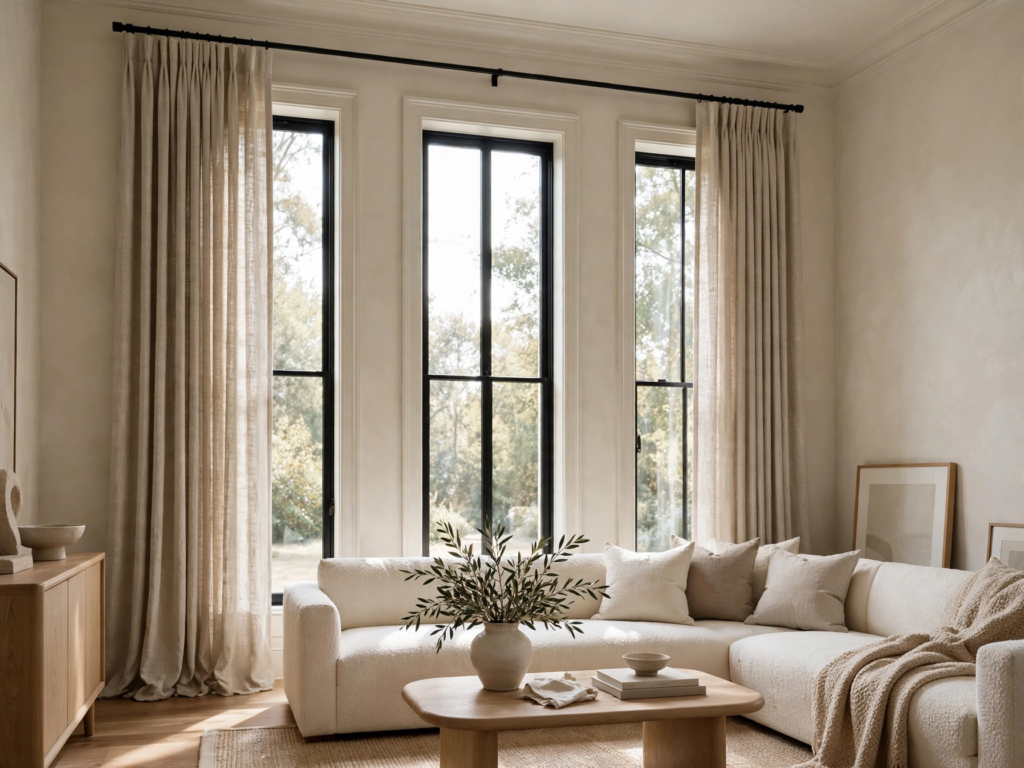
Curtains can make a room look more polished without replacing your furniture.
When appropriate for your windows, hang the curtain rod higher and extend it beyond the window frame so the fabric frames the entire opening.
Choose fabrics such as:
- linen
- linen blends
- cotton
- soft textured fabrics
A longer, fuller curtain can also create a softer sense of height and help the room feel finished.
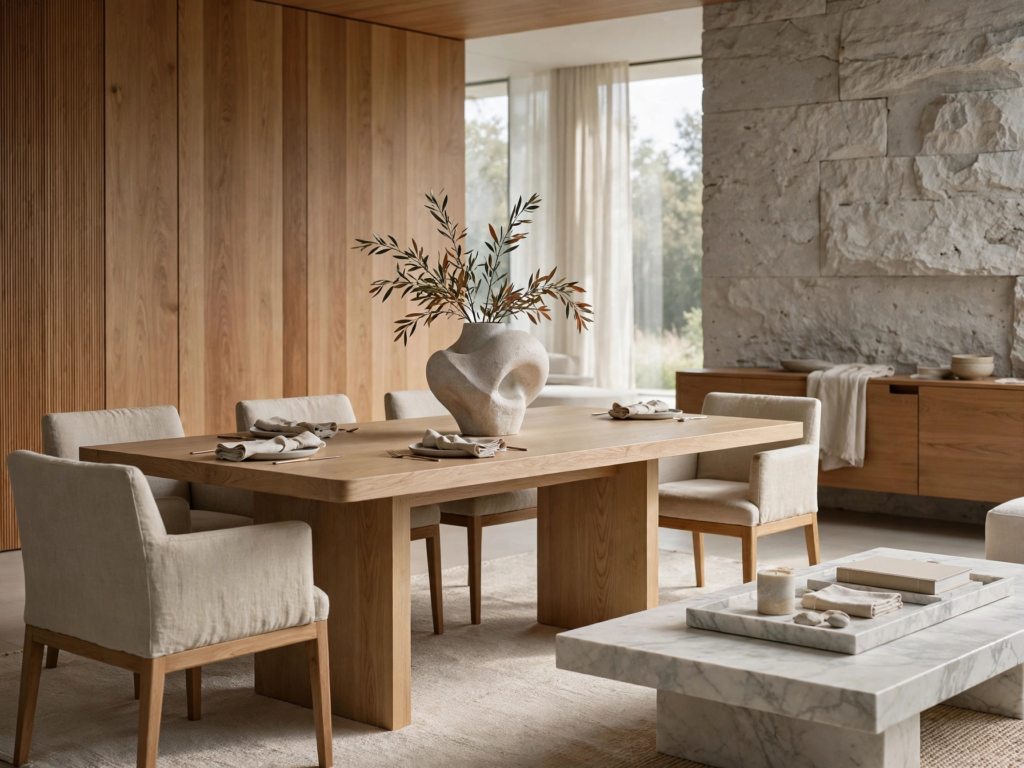
9. Mix Wood With Stone for Quiet Luxury Home Decor
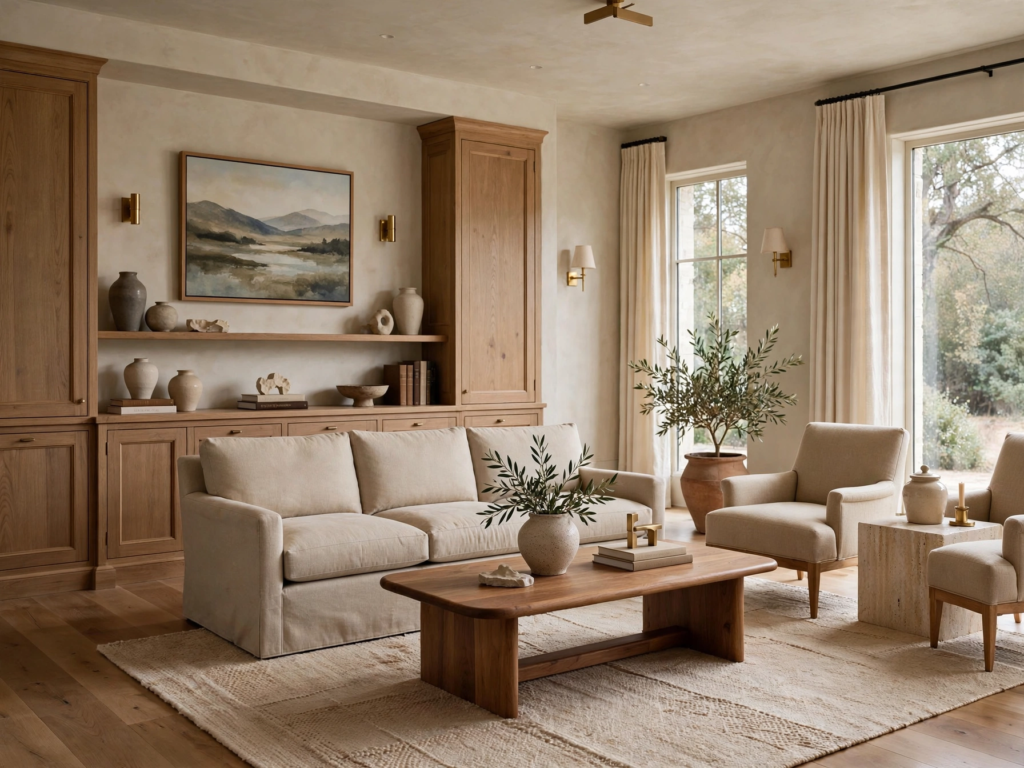
Wood and stone make a particularly effective quiet-luxury combination.
For example:
oak table + stone vase + linen chairs
or
wood cabinet + marble tray + ceramic accessories
The contrast between warm organic grain and cool mineral texture gives a neutral room more depth.
10. Add Aged or Brushed Metal Finishes for Quiet Luxury Home Decor
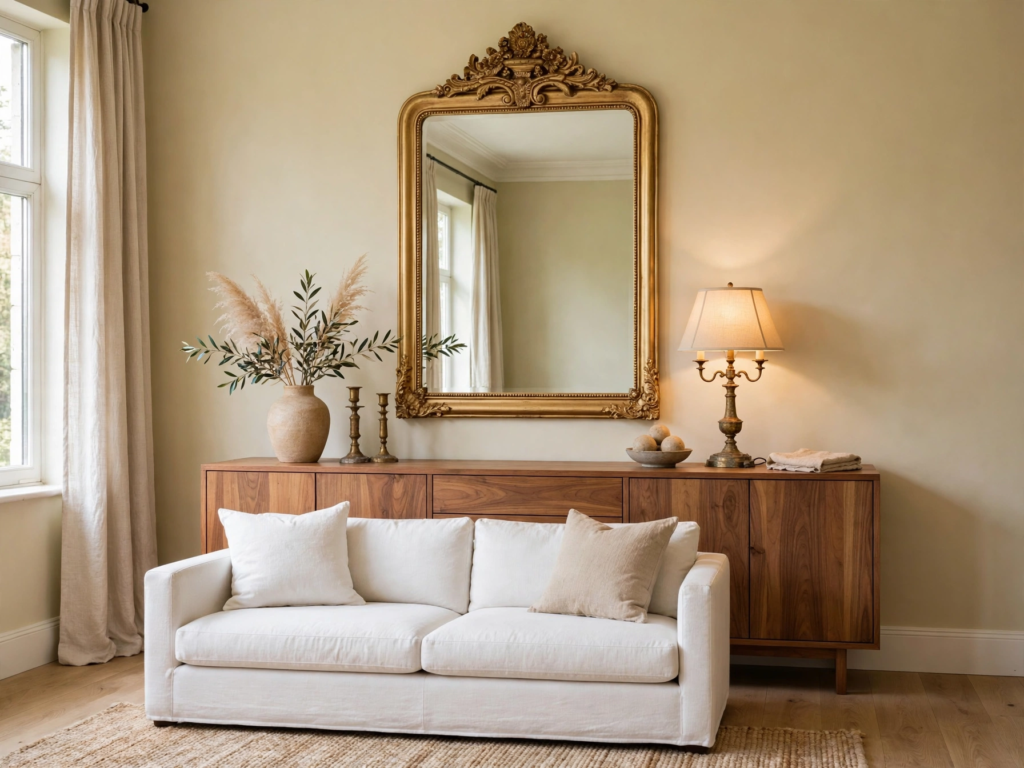
You don’t need shiny gold everywhere to create a luxurious appearance.
Try subtle finishes such as:
- aged brass
- brushed brass
- bronze
- antique-inspired metal
- brushed nickel
Use these details selectively on lamps, cabinet hardware, mirrors, frames, or small accessories.
The goal is a refined accent rather than a metallic theme.
11.Use Rugs to Add Quiet Depth to Quiet Luxury Home Decor
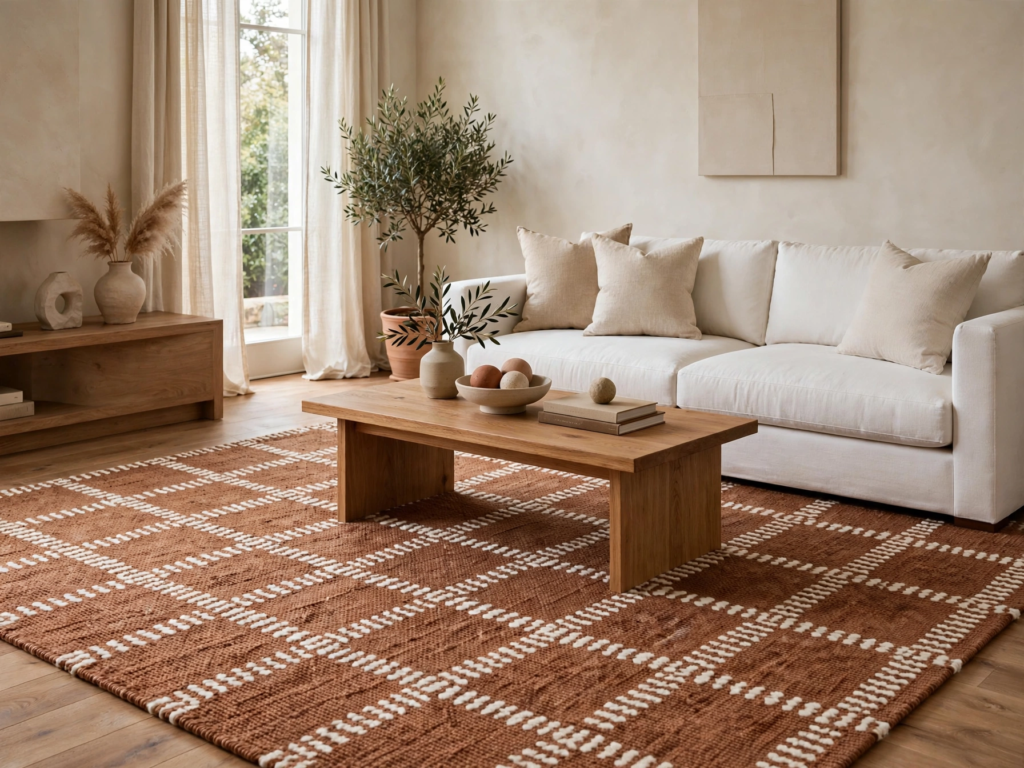
A rug can visually connect the furniture in a room while adding softness underfoot.
For quiet luxury, consider:
- wool rugs
- natural-fiber rugs
- low-pile rugs
- vintage-inspired patterns
- subtle geometric designs
- muted tonal rugs
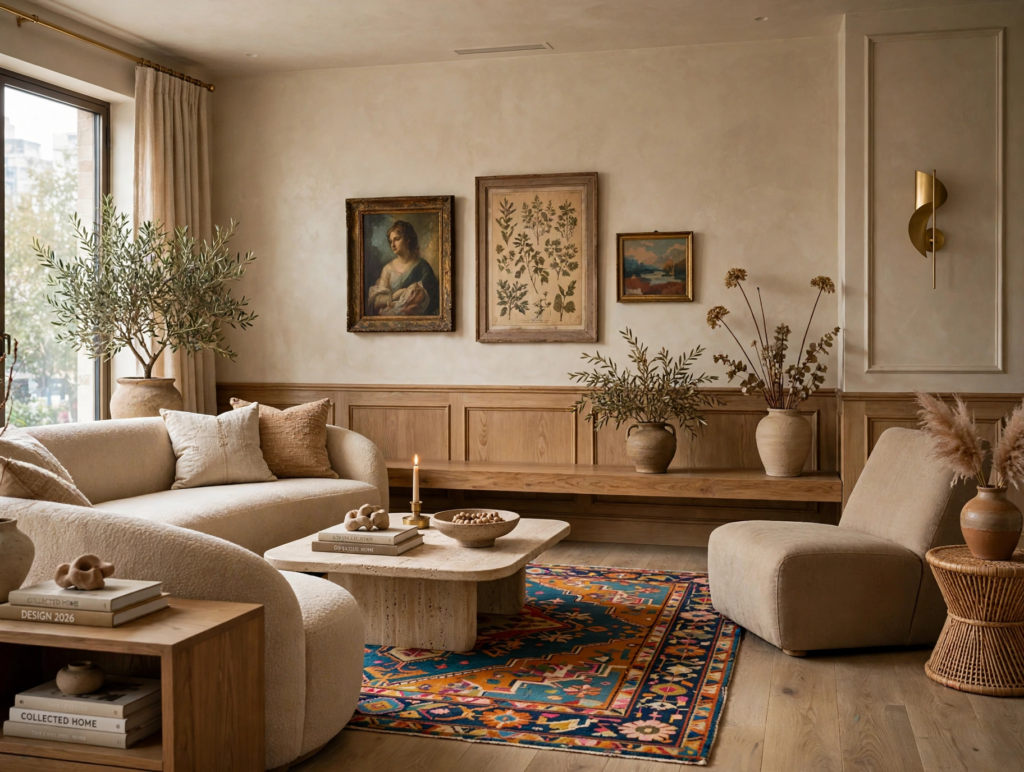
A rug doesn’t have to be plain to be elegant. A restrained vintage pattern can actually make a neutral room feel more collected.
12.Keep Surfaces Curated, Not Empty in Quiet Luxury Home Decor
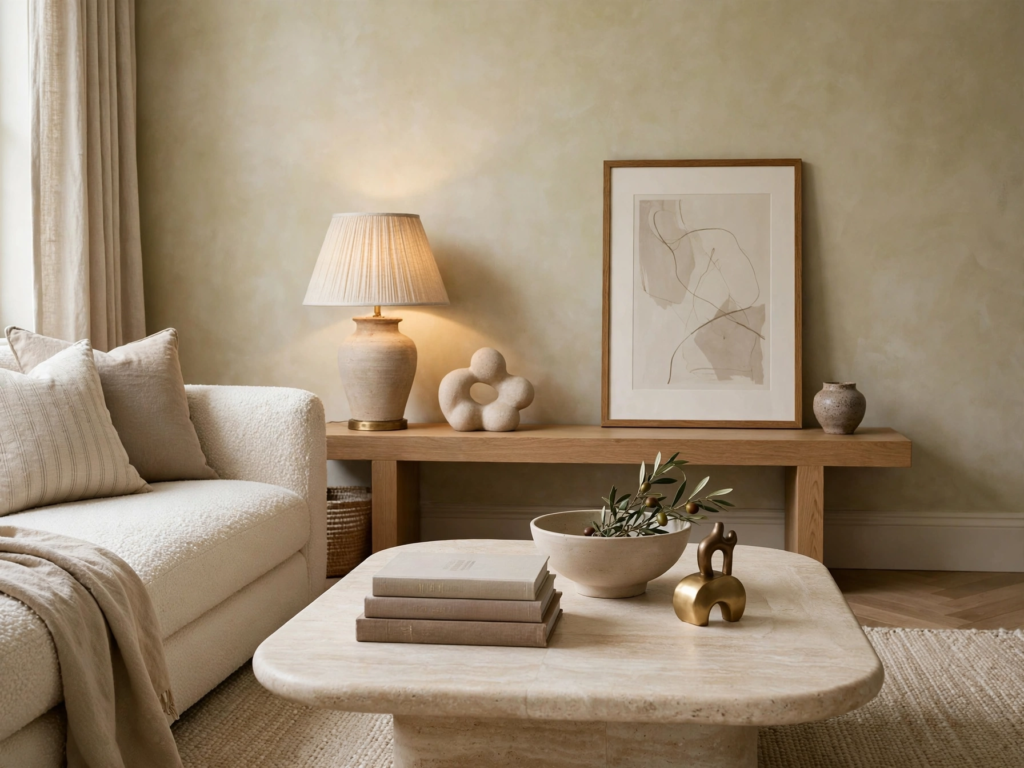
Quiet luxury does not mean every table must be completely bare.
Instead, edit your accessories.
A coffee table might need only:
- a stack of books
- a ceramic bowl
- a small sculptural object
A console could have:
- one lamp
- artwork or a mirror
- a small decorative object
The goal is intentional styling rather than either extreme of clutter or emptiness.
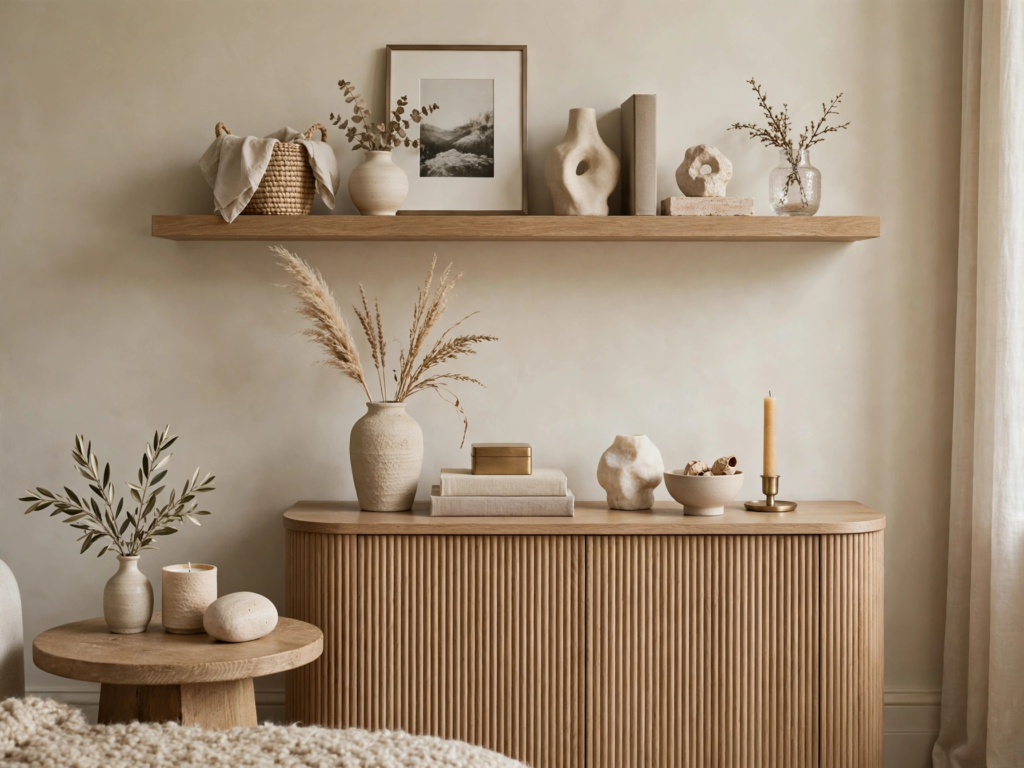
13. Try the 3-5-7 Decorating Rule
The 3-5-7 rule is a styling guideline based on arranging decor in odd-numbered groups.
For example:
- 3 objects on a small table
- 5 objects on a larger console
- 7 elements across a generous shelf
The principle is closely related to the broader rule of three. In particular, odd-numbered arrangements can create visual movement and keep displays from feeling overly rigid. However, it is simply a flexible guideline rather than a strict decorating rule.
For quiet luxury, vary the height, shape, and texture of the objects rather than buying a matching set.
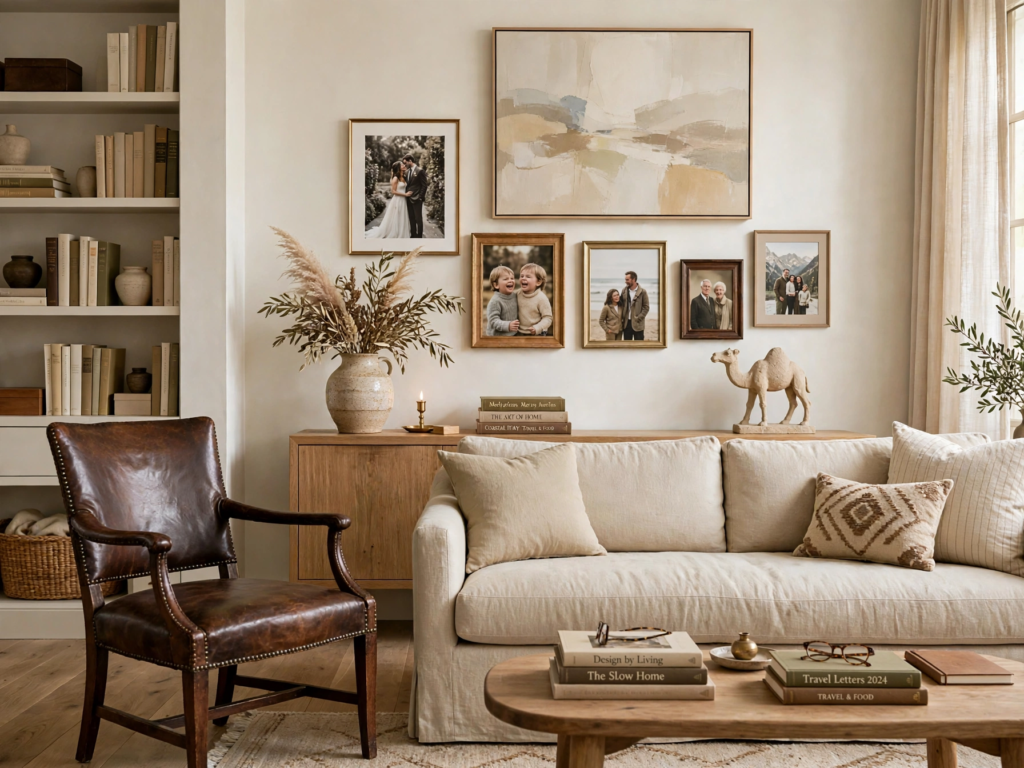
14. Display Art That Actually Means Something
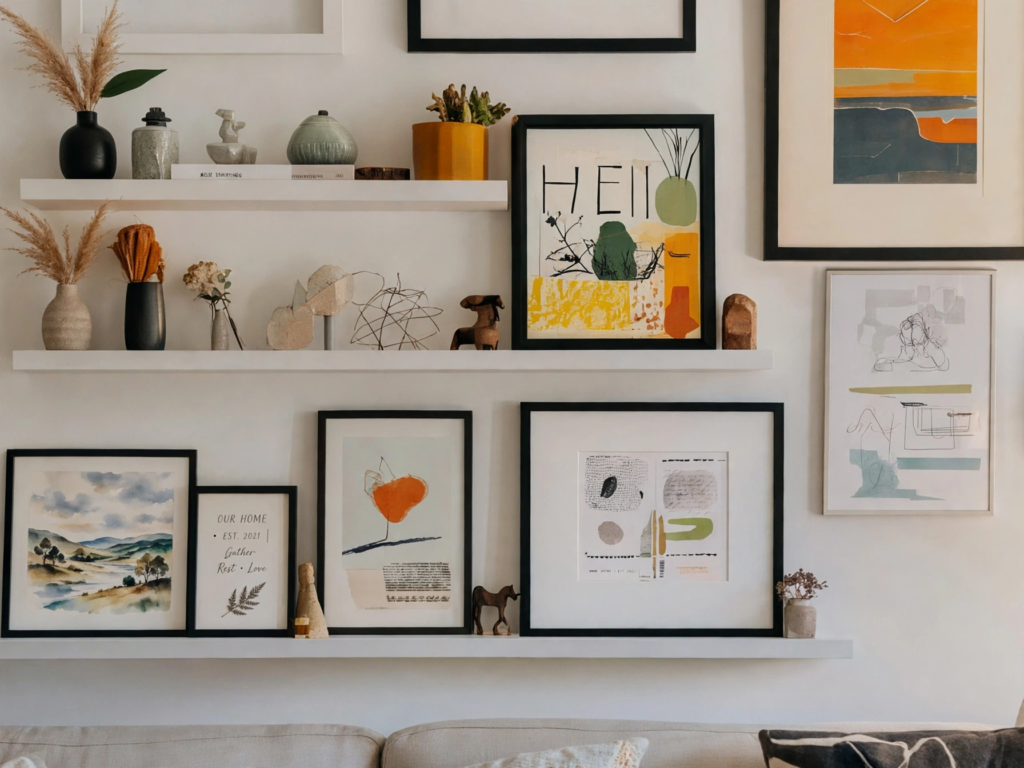
Art is one of the easiest ways to prevent quiet luxury from becoming generic.
Instead of choosing artwork simply because it matches beige furniture, look for pieces that connect to your personality.
Consider:
- photography
- landscapes
- botanical artwork
- vintage paintings
- architectural prints
- family photographs
- travel finds
- handmade art
A meaningful piece can make a restrained room feel much more personal.
15. Mix Vintage and New Pieces
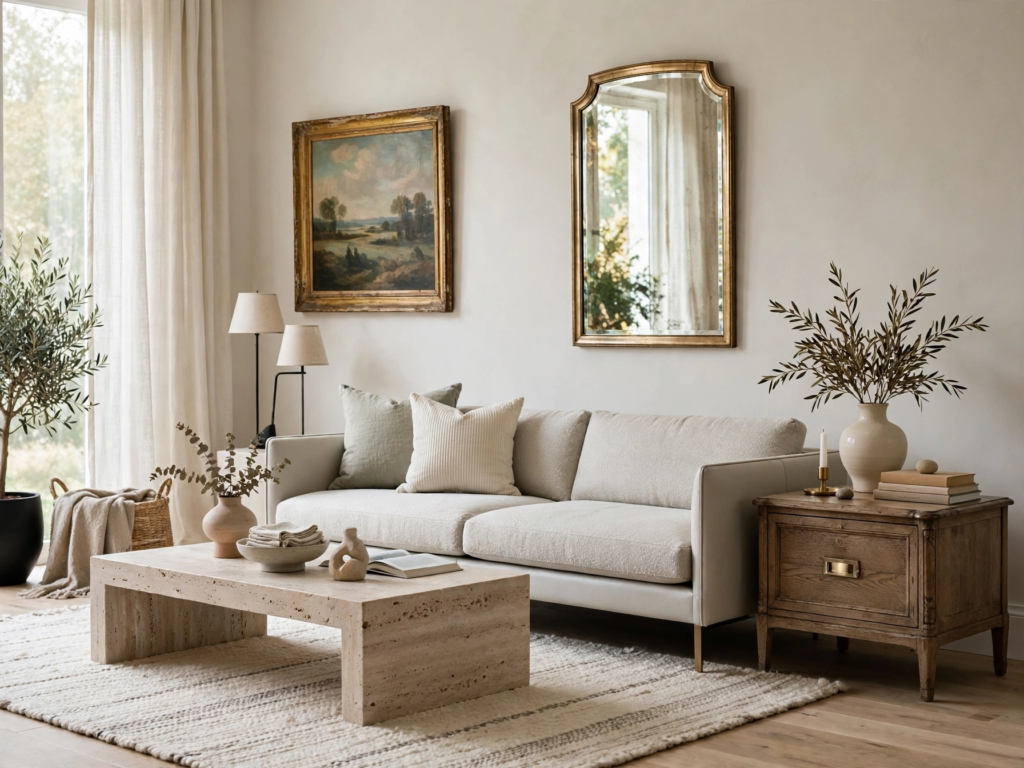
A room made entirely from matching new furniture can feel overly coordinated.
Mixing old and new introduces character.
Try pairing:
modern sofa + vintage side table
or
new dining table + antique-inspired mirror
or
contemporary bedroom + vintage artwork
This approach can also help a room feel collected over time rather than purchased all at once.
16. Add Soft, Comfortable Upholstery
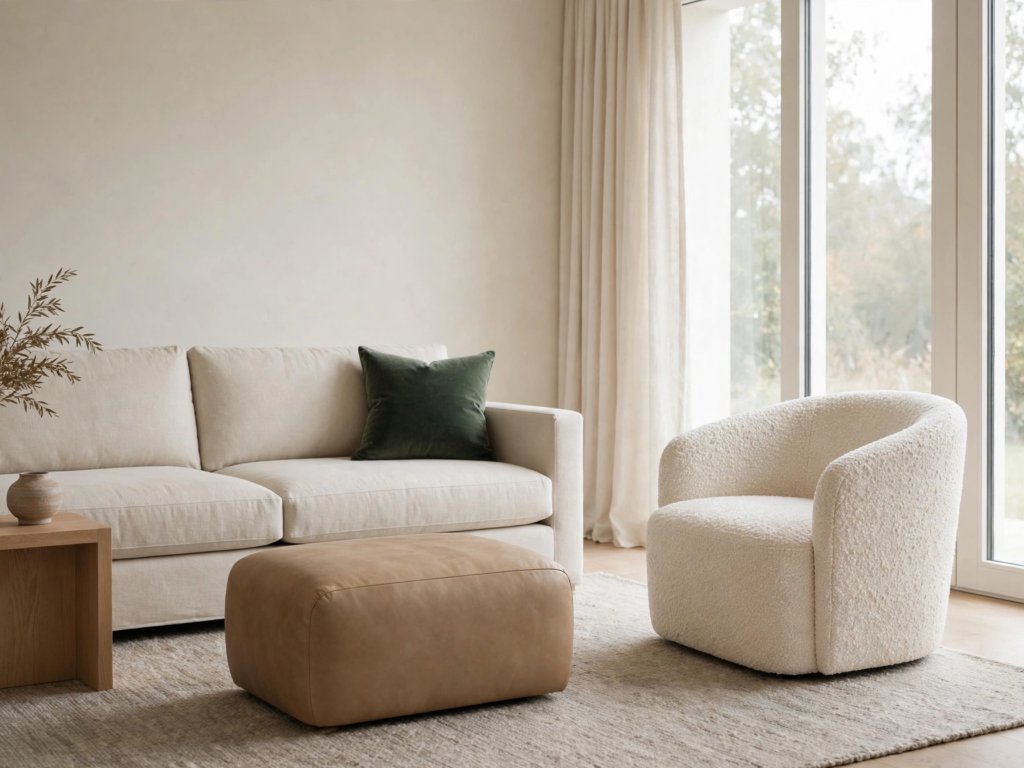
Quiet luxury should feel good, not merely look good.
Prioritize comfortable seating and tactile fabrics.
Look for:
- linen
- cotton
- wool
- velvet
- bouclé
- soft leather
But don’t cover every surface in the same fabric.
Contrast is what gives the room dimension.
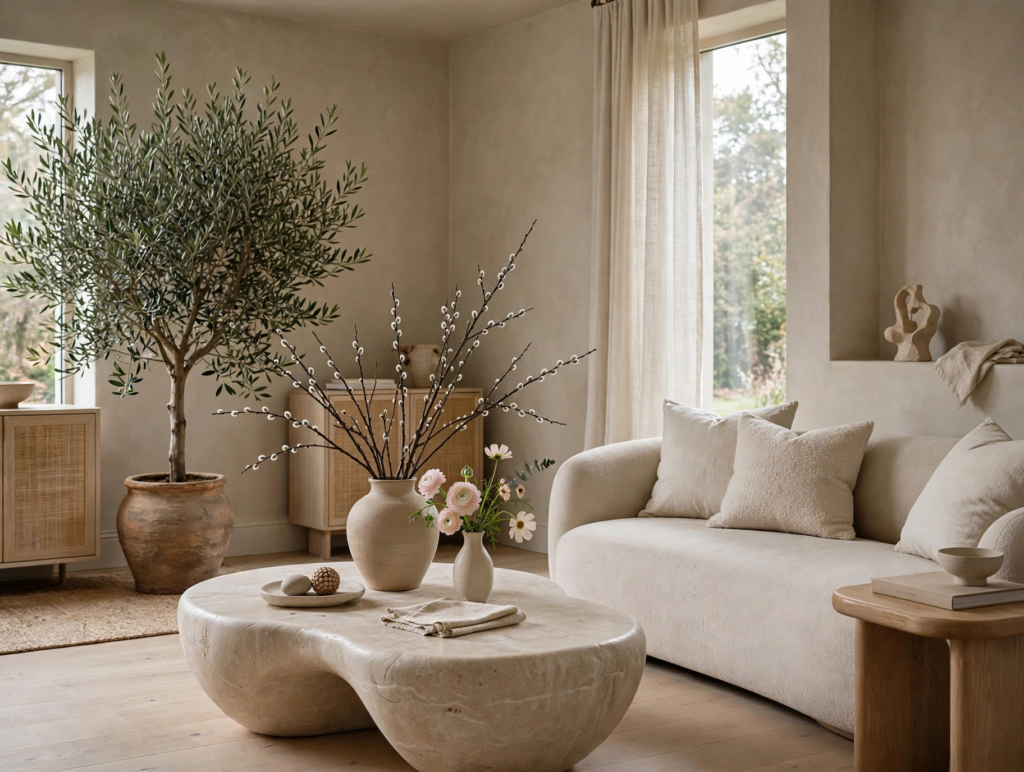
17. Bring Nature Indoors
Plants, branches, flowers, and natural materials can soften a refined interior.
You don’t need a jungle of houseplants.
One large plant, a vase of branches, or a simple arrangement of seasonal flowers may be enough.
The idea is to introduce organic shapes and life without creating another source of visual clutter.
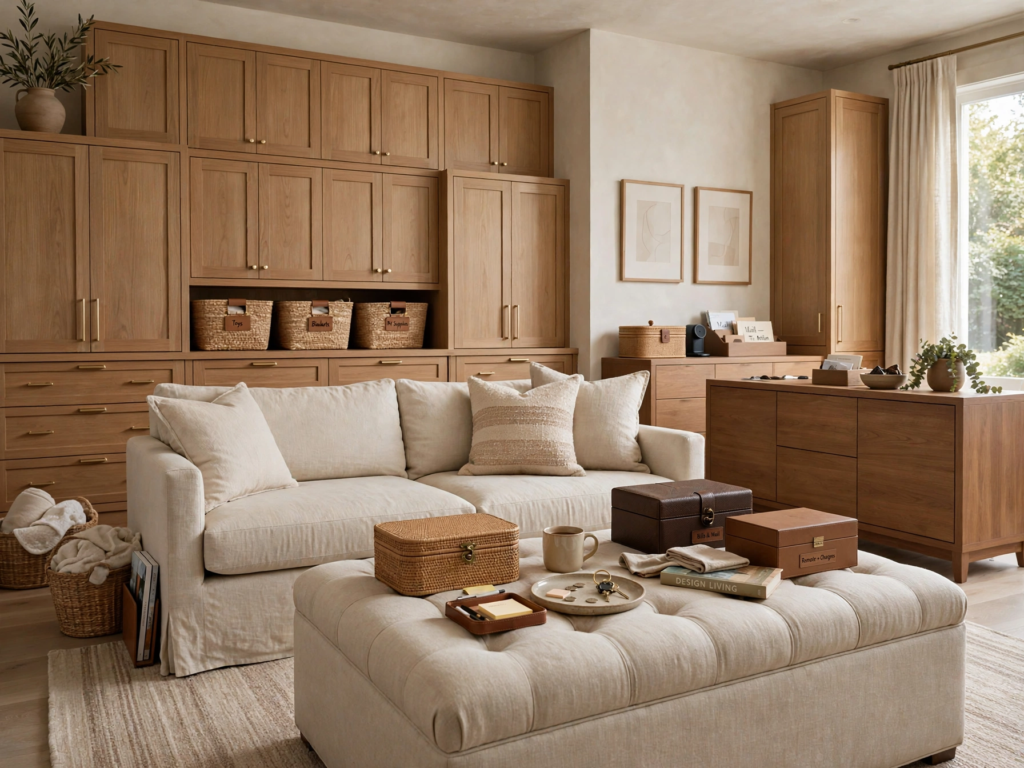
18. Hide Everyday Clutter
Visible clutter can quickly undermine an otherwise sophisticated room.
Look for opportunities to use:
- baskets
- storage ottomans
- closed cabinets
- decorative boxes
- drawers
- furniture with concealed storage
The goal isn’t to hide evidence that people live in the home.
It’s simply to give everyday items a designated place.
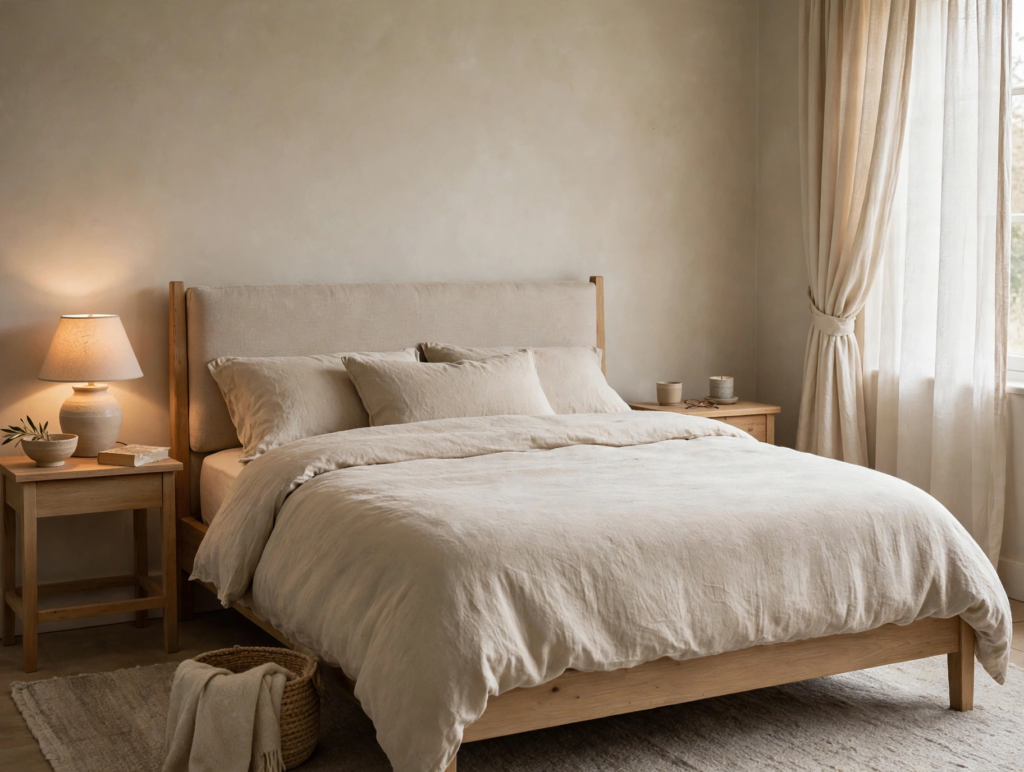
19. Make the Bedroom Feel Like a Retreat
A quiet luxury bedroom should prioritize comfort above decoration.
Start with:
- simple bedding
- layered blankets
- soft curtains
- a restrained color palette
- bedside lighting
- an upholstered or natural-wood bed
- one or two meaningful decorative pieces
Instead of filling the nightstands, give each surface some breathing room.
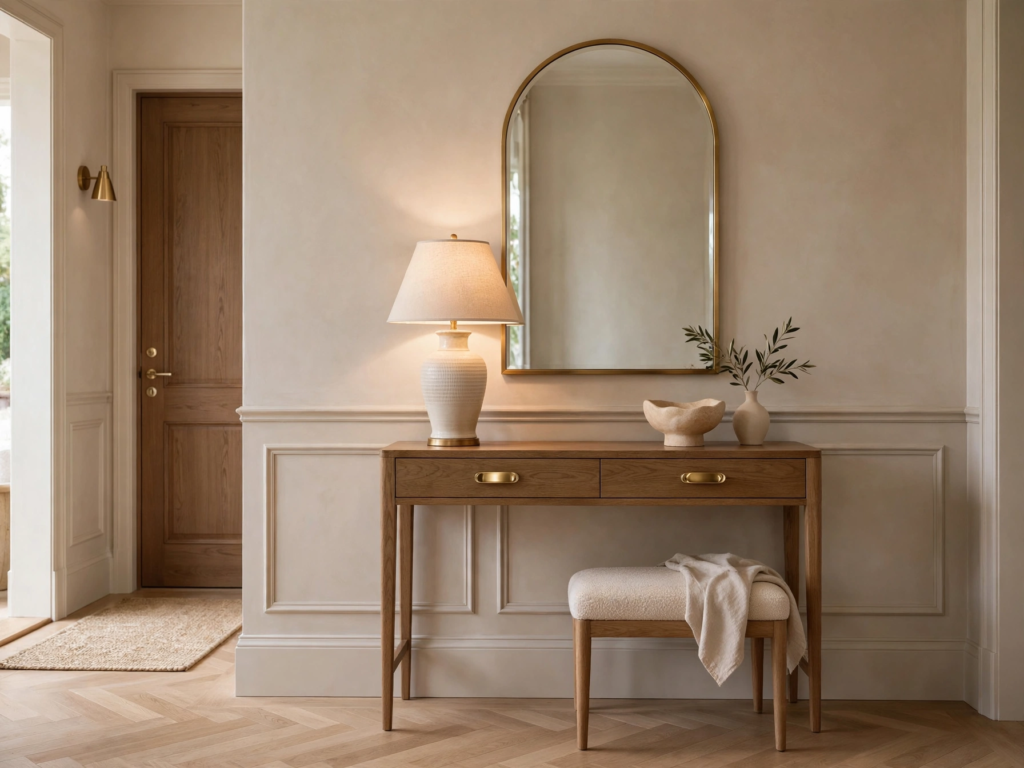
20. Give the Entryway a Polished Look
The entryway sets the tone for the rest of the home.
Try a simple combination of:
console + mirror or artwork + lamp + small decorative object
If space allows, add a small bench or stool.
Keep the palette connected to the rooms beyond it so the home feels cohesive.
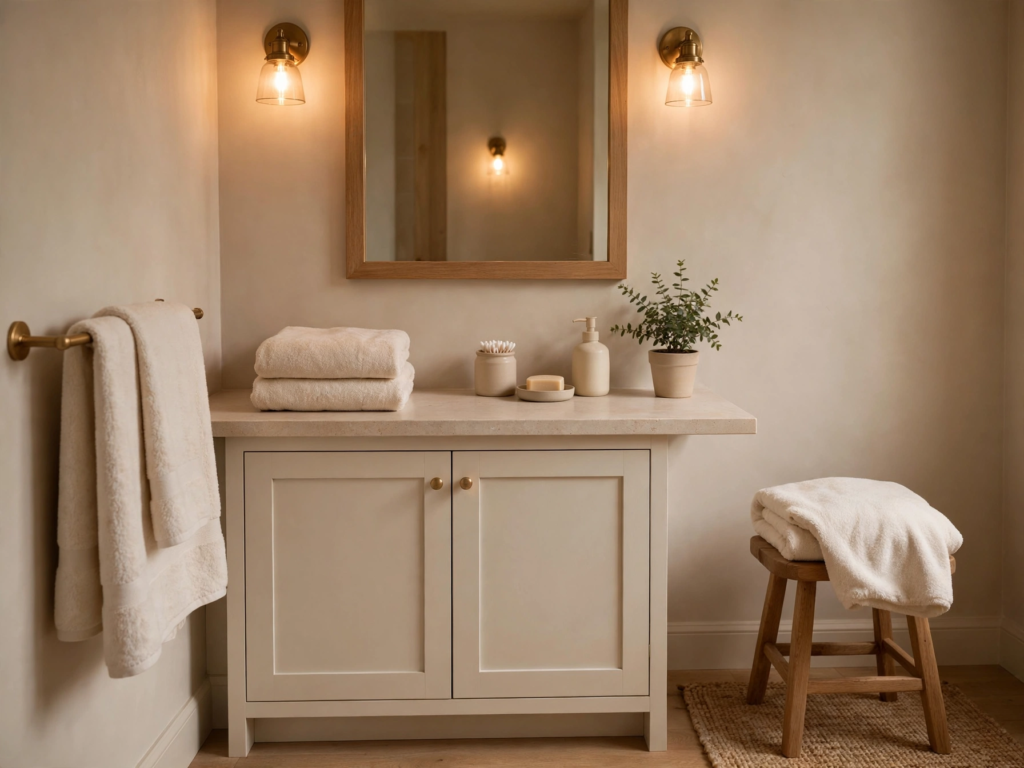
21. Make the Bathroom Feel Spa-Like
You don’t need a full bathroom renovation.
Small changes can create a calmer appearance:
- plush towels
- simple ceramic containers
- warm lighting
- a wooden stool
- a natural bath mat
- restrained countertop styling
- one small plant
Avoid filling every surface with products.
Keep daily essentials organized and let a few beautiful objects do the decorative work.
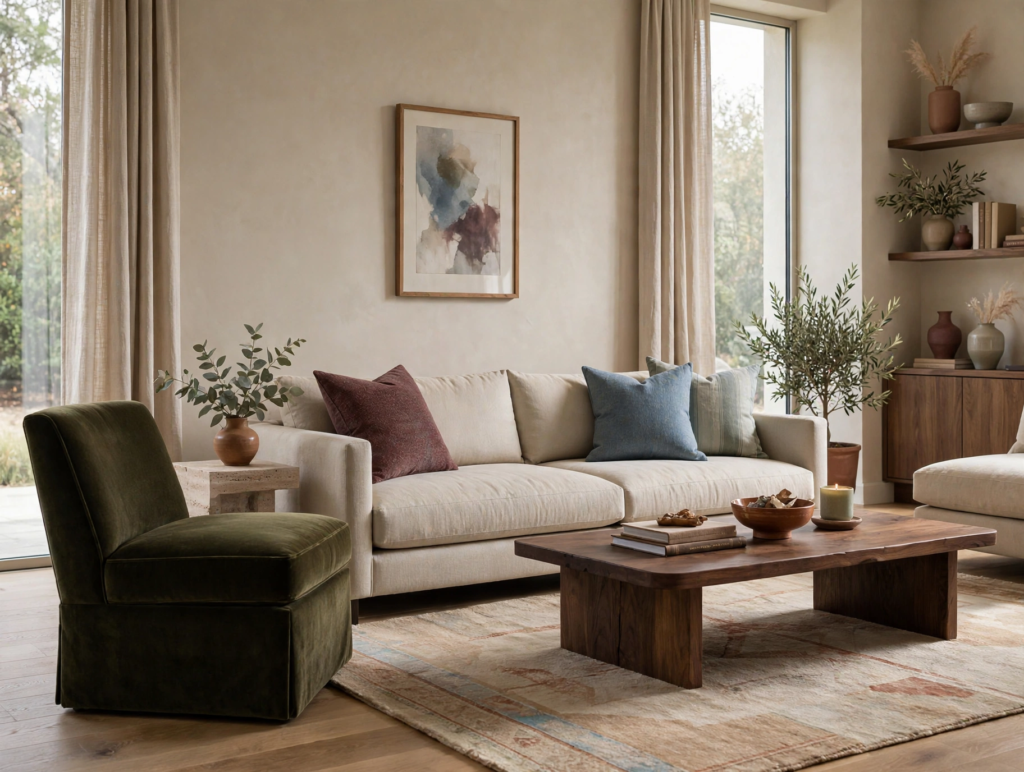
22. Use Color Without Losing the Calm
One of the biggest mistakes is assuming quiet luxury means no color.
A restrained accent can actually make the room more sophisticated.
Try:
- deep olive
- chocolate brown
- muted burgundy
- dusty blue
- soft sage
- warm terracotta
Use color through one chair, artwork, rug, pillow, or accessory rather than introducing it everywhere.
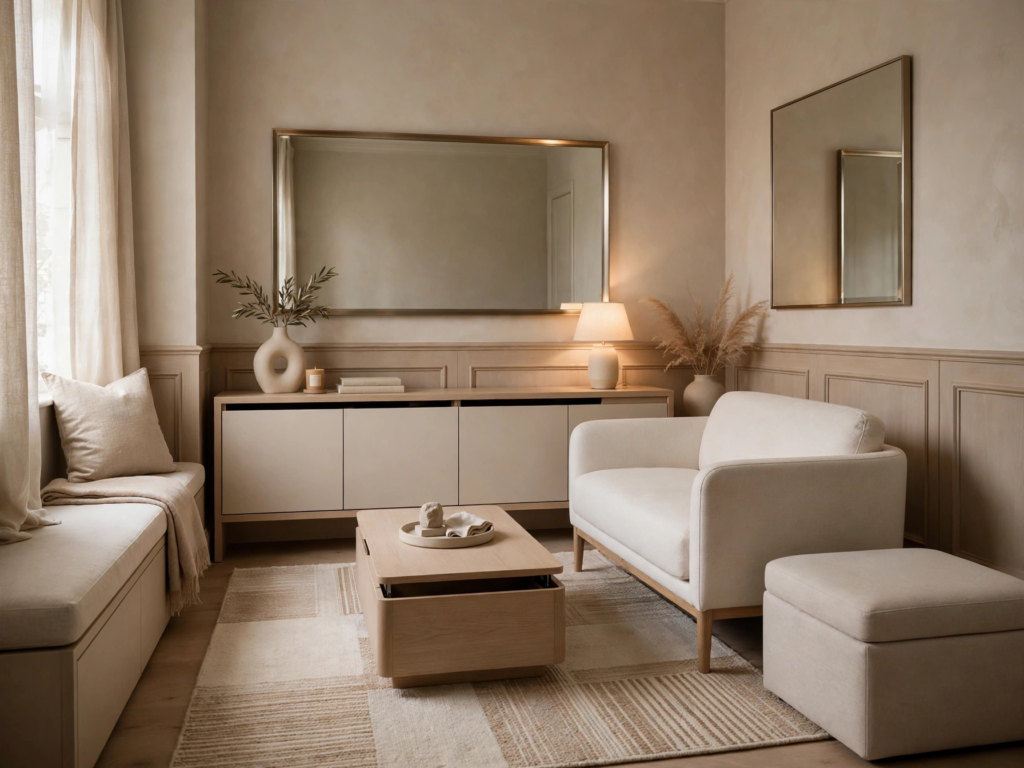
23. Make Small Rooms Feel Quiet and Expensive
Small spaces benefit from the same principles.
Instead of adding lots of tiny decorations, prioritize:
- multifunctional furniture
- concealed storage
- fewer larger accessories
- consistent colors
- mirrors
- soft lighting
- visually light furniture
- well-proportioned rugs
The goal is to make the room feel intentional rather than packed.
24. Create Quiet Luxury on a Budget
You don’t need to replace everything.
Start with the changes that have the biggest visual effect.
Spend more carefully on:
- frequently used seating
- bedding
- rugs
- curtains
- important lighting
Save where you can:
- decorative bowls
- frames
- small accessories
- books
- artwork
- vases
- secondhand pieces
This style can work with thrift, vintage, resale, and even old items.
It’s not about the price, it’s about less but better selected pieces. The current coverage also reflects a high number of people who are interested in the aesthetic within a more affordable price range, with a large percentage of the 2026 articles discussing how to get the aesthetic look without spending a lot of money.
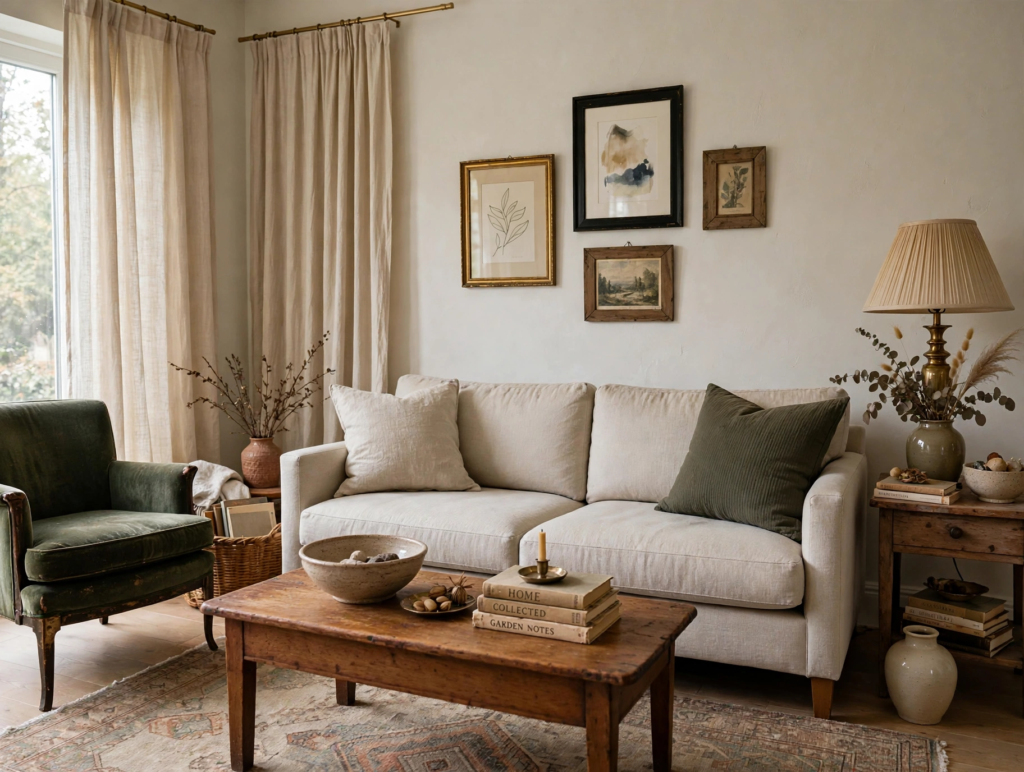
25. Add Personality So the Room Doesn’t Feel Generic
This may be the most important quiet luxury rule for 2026.
Don’t create a room that could belong to anyone.
Add:
- family photographs
- books you actually read
- travel souvenirs
- inherited furniture
- handmade ceramics
- artwork you love
- objects with a story
Current design commentary increasingly distinguishes warm, personal quiet luxury from rooms that simply repeat the same beige furniture and accessories.
A sophisticated home should still look like someone’s home.
For more inspiration on creating a refined and comfortable space, explore these quiet luxury interior design ideas from FCI London.
What Is Replacing Quiet Luxury?
Quiet luxury isn’t necessarily being replaced by one completely different decorating style.
Instead, parts of the aesthetic are evolving.
Recent design coverage points toward more personality, warmer materials, layered interiors, meaningful objects, and individual expression rather than perfectly neutral rooms that look interchangeable.
So the newer interpretation could be described as:
quiet luxury + personality + warmth + collected character.
You can keep the calm palette and quality materials while adding more color, vintage pieces, artwork, and personal objects.
How Do the Wealthy Decorate Their Homes?
There isn’t one universal way wealthy people decorate, and wealth itself does not determine good interior design.
However, the quiet-luxury concept often focuses on things such as:
- quality materials
- comfortable furniture
- timeless silhouettes
- craftsmanship
- good lighting
- proportion
- custom or carefully selected details
- meaningful artwork
- fewer disposable trend pieces
The useful lesson isn’t to copy a supposed wealthy-person checklist.
Instead, focus on making your home comfortable, cohesive, functional, and personal.
What Is the 3-5-7 Rule in Decorating?
The 3-5-7 rule recommends using odd-numbered groupings of three, five, or seven objects when styling surfaces and displays.
For example, you might place three objects on a coffee table or use five pieces to create a larger console arrangement.
It is a flexible styling tool rather than a strict requirement. In particular, current interior design coverage describes it as a way to create visual rhythm and prevent displays from feeling overly rigid or symmetrical.
What Is the Most Quiet Luxury Brand?
There isn’t one universally recognized “most quiet luxury” home-decor brand.
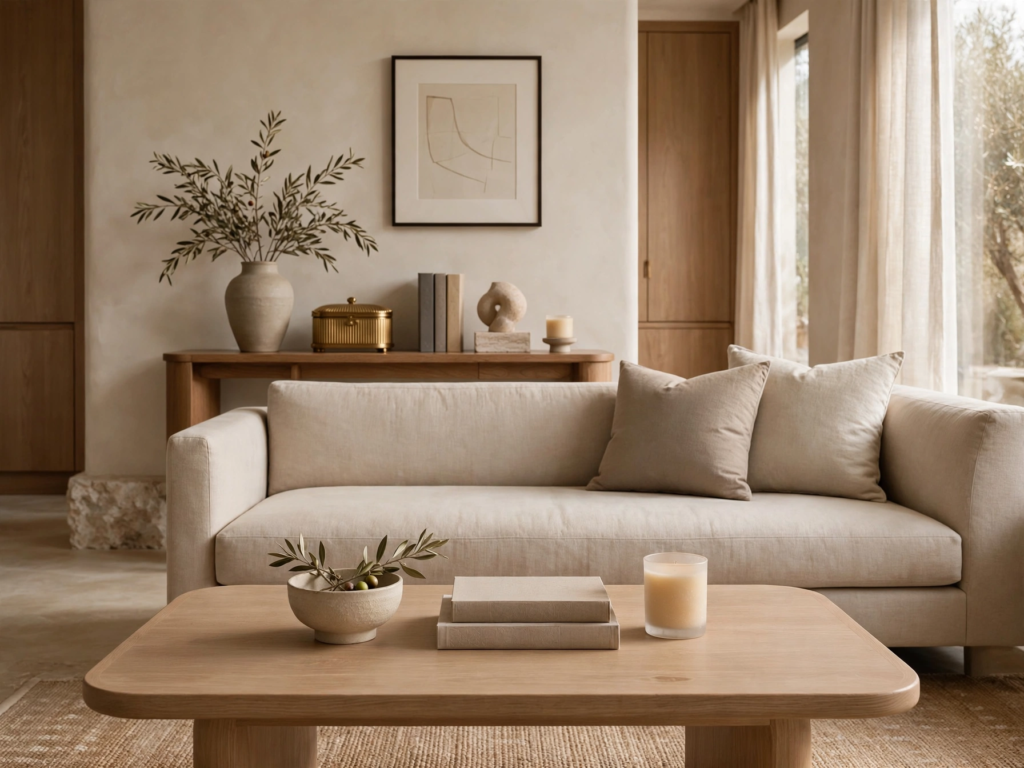
The phrase is more commonly used to describe a design philosophy—understated shapes, quality materials, restrained branding, and craftsmanship—than a single official category of brands.
If you’re shopping for quiet-luxury-inspired furniture or decor, evaluate the material, construction, proportion, finish, and comfort rather than assuming a particular logo automatically creates the look.
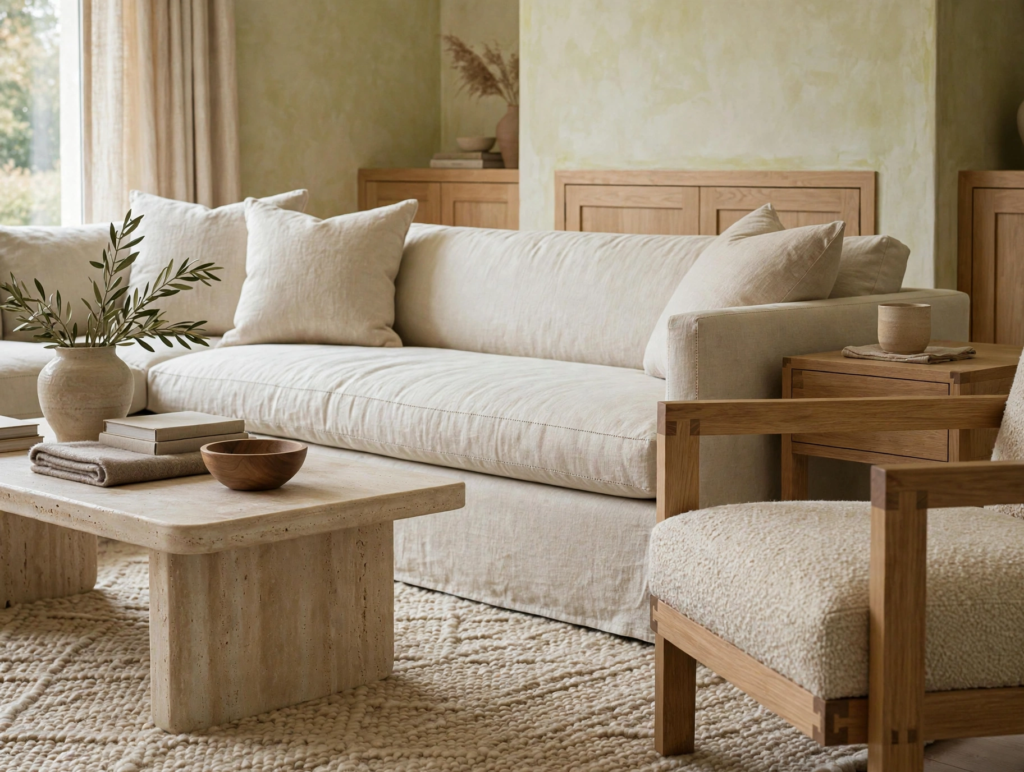
Quiet Luxury Home Decor Mistakes to Avoid
Making everything beige
However, a neutral palette can quickly feel flat without enough texture, contrast, or personality.
Buying matching furniture sets
A perfectly matched room can feel more generic than sophisticated.
Using too many accessories
Luxury isn’t created by filling every shelf.
Choosing style over comfort
A beautiful sofa that nobody wants to sit on doesn’t create a welcoming home.
Using only overhead lighting
Flat lighting can make even beautiful materials look ordinary.
Copying Pinterest too literally
Inspiration is useful, but your home should still reflect your life.
Confusing expensive with luxurious
Price alone doesn’t guarantee good proportion, quality, or visual harmony.
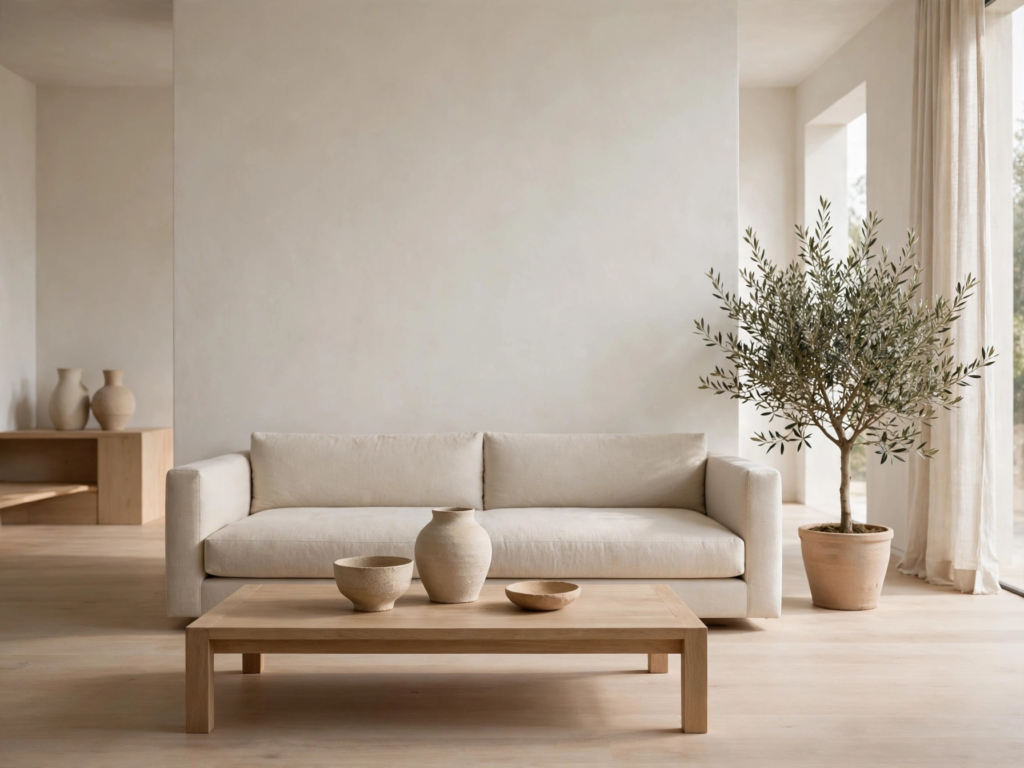
Final Thought
The best quiet luxury home decor doesn’t show off that much.
You feel comfortable when you sit in it, when you walk through the room, you feel calm and it’s personal enough that you can recognize people who live there.
Choose a limited number of pieces, focus on balanced proportions, use warmer lighting, add natural textures, and display objects that are meaningful to you. Ultimately, these thoughtful choices can transform a neutral-toned room into a home that feels truly elevated, personal, and inviting.
FAQ
Is quiet luxury still popular in 2026?
Quiet luxury remains a widely used design term in 2026, but its interpretation is evolving. Current coverage increasingly emphasizes warmth, personalization, texture, and lived-in character rather than extremely minimal beige interiors.
Can you create quiet luxury home decor on a budget?
Yes. For example, you can reduce clutter, improve lighting, choose a cohesive color palette, shop secondhand, upgrade textiles, and selectively invest in pieces you use frequently. This way, you can create a polished quiet luxury look without spending heavily on every item.
Is quiet luxury the same as minimalism?
No. Both can use restraint, but quiet luxury generally places more emphasis on comfort, tactile materials, craftsmanship, and layered detail. A quiet-luxury room can be richly textured and personal without becoming visually busy.
What colors work best for quiet luxury?
Warm white, cream, taupe, beige, greige, brown, muted green, dusty blue, and other softened colors can work well. The important part is creating a cohesive palette rather than following a fixed color list.
What materials make a home look quietly luxurious?
Linen, wool, wood, stone, marble, leather, jute, ceramic, and subtle metal finishes are commonly associated with the aesthetic. The way materials are combined matters as much as the individual material.
How do I make quiet luxury feel less boring?
Add personality to keep the space from feeling generic. For instance, incorporate meaningful artwork, vintage pieces, books, family photographs, handmade objects, subtle colors, and varied textures. Ultimately, quiet luxury doesn’t have to mean empty or lifeless; it can feel warm, personal, and inviting.