To begin with, starting your creative journey in the world of DIY, paper crafts, and handmade art is an exciting endeavor. However, stepping into a craft store or browsing through online suppliers can quickly become overwhelming. For instance, thousands of specialized tools, synthetic mediums, and decorative accents fight for your attention. Ultimately, the secret to […]
Share This Article:
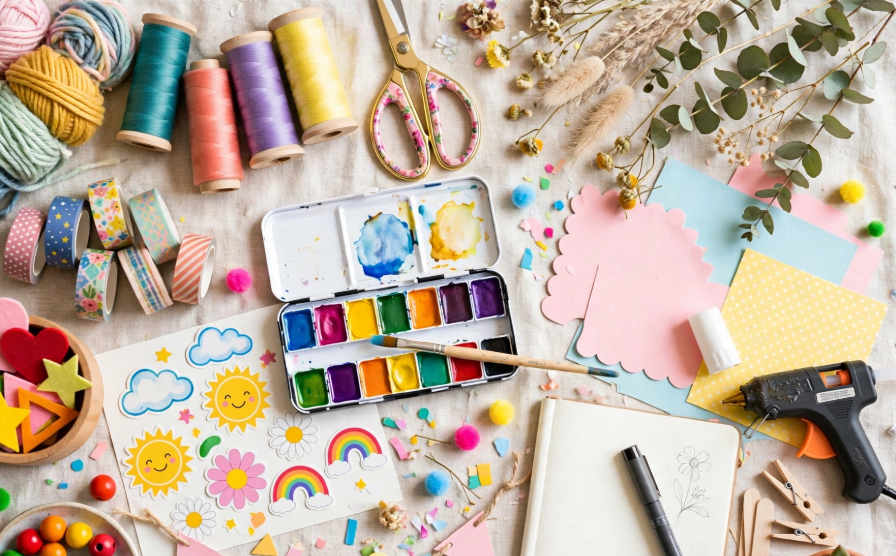
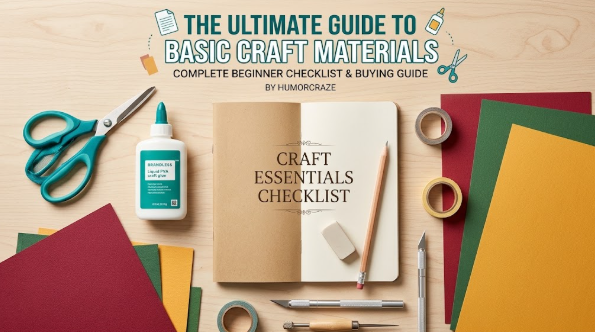
To begin with, starting your creative journey in the world of DIY, paper crafts, and handmade art is an exciting endeavor. However, stepping into a craft store or browsing through online suppliers can quickly become overwhelming. For instance, thousands of specialized tools, synthetic mediums, and decorative accents fight for your attention. Ultimately, the secret to stress-free, high-quality crafting is not buying everything in sight—it is mastering the selection and application of basic craft materials.
Having a well-curated foundation of essential supplies allows you to execute hundreds of unique projects without cluttering your workspace or overspending. Whether you are building a home studio, setting up a student workstation, or organizing a family hobby corner, this comprehensive 2026 guide breaks down every essential category of basic craft materials, complete with professional techniques, safety measures, and organization hacks.
For high readability and quick reference, here is a structured breakdown comparing the core categories of basic craft materials, their key uses, and optimal budget allocations:
Material Category
Primary Core Purpose
Beginner Essential Items
Recommended Budget Share
Paper & Cards
Structural base, folding, cardmaking
Heavy cardstock, construction paper, tissue
25%
Adhesives & Glues
Layering, bonding, mounting elements
Liquid PVA, glue sticks, double-sided tape
20%
Cutting Tools
Trimming, intricate shaping, scoring
Precision craft knife, safety scissors, cutting mat
When you begin crafting, it is tempting to purchase cheap dollar-store multipacks. While budget-friendly options work well for practice, investing in reliable basic craft materials transforms your entire creative experience. High-quality paper prevents warping under wet adhesives, sharp cutting blades prevent torn edges, and archival-grade glues keep your art intact for years without yellowing.
Understanding material properties—such as paper weight (GSM), adhesive open times, and blade angles—helps you avoid common crafting failures. Building a foundational toolkit step-by-step gives you the flexibility to experiment across multiple disciplines, including scrapbooking, origami, home decor, model building, and mixed-media art.
2. Essential Paper Mediums in Your Basic Craft Materials Kit
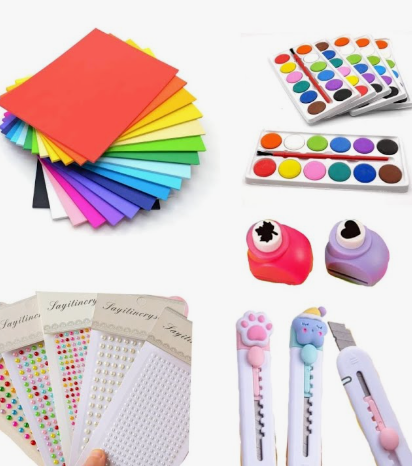
Without a doubt, paper is the structural backbone of almost every handcrafted creation. As a result, having a diverse selection of weights and finishes ensures structural stability and clean visual appeal across all your projects.
       [ Basic Paper Mediums ]
                 │
  ┌──────────────┼──────────────┐
  ▼              ▼              ▼
Cardstock    Construction    Specialty
(160-300GSM)    Paper       (Tissue/Crepe)
  │              │              │
  ▼              ▼              ▼
Structural     Budget       Texture &
 Projects      Practice       Accents
Heavyweight Cardstock (160 GSM to 300 GSM)
Cardstock is significantly thicker than standard printer paper, making it the preferred base for structural projects like gift boxes, pop-up greeting cards, photo mats, and paper sculpture bases.
Smooth Cardstock: Ideal for precise scoring, clean folding, and sharp ink stamping.
Textured Cardstock: Excellent for adding tactile depth to scrapbooking layouts and layered paper artwork.
Construction Paper and Colored Sheets
Every beginner kit requires an assortment of lightweight, colorful sheets. Construction paper is budget-friendly and easy to cut, making it perfect for rapid prototyping, kid-friendly crafts, and mockups before using expensive mediums.
Specialty Papers: Tissue, Vellum, and Crepe Paper
To elevate your projects, keep a small supply of decorative specialty papers:
Tissue Paper: Essential for papier-mâché, decoupage, and lightweight gift wrapping.
Vellum: A semi-translucent paper used for delicate overlays, illuminated paper lanterns, and wedding stationery.
Crepe Paper: Features high stretchability, making it the gold standard for creating realistic paper flowers and party streamers.
3. Adhesives Guide: Choosing Glues for Basic Craft Materials
Using the wrong adhesive is the leading cause of project failure. Adhesives differ in drying time, flexibility, moisture content, and bonding strength.
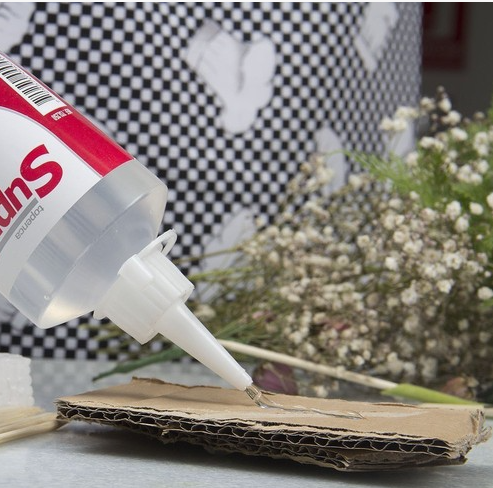
PVA glue is a non-toxic, water-based adhesive that dries clear. It creates a strong and flexible bond on porous surfaces such as cardboard, wood, felt, and paper.
Pro Tip: Apply thin layers using a flat brush to prevent thin paper from warping or buckling.
Craft Glue Sticks
Glue sticks are low-moisture adhesives designed specifically for bonding thin paper surfaces. Because they contain less water than liquid glues, they prevent paper wrinkling and provide a clean finish. They are ideal for collage work, scrapbooking, and quick paper mounting.
Double-Sided Craft Tape & Foam Dots
Double-Sided Tape: Offers an instantaneous, dry bond with zero risk of liquid mess or moisture damage. Excellent for crisp paper seams and photo albums.
3D Foam Dots/Tape: Elevates elements above the background layer, creating eye-catching drop shadows and depth in cardmaking and wall art.
Hot Glue Guns & Glue Sticks
A low-temperature hot glue gun is a must-have for instant structural bonds. It excels at adhering non-porous and heavy materials like wood blocks, plastic beads, ribbons, fabric, and thick cardboard. Always exercise caution and use heat-resistant silicone mats while operating hot glue tools.
4. Cutting and Trimming Tools for Basic Craft Materials
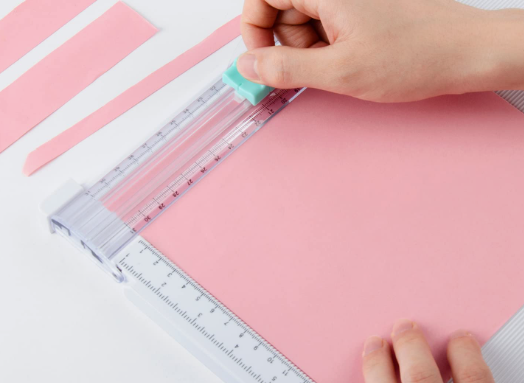
In fact, precise, clean cuts differentiate professional-grade crafts from amateur creations. Consequently, safe, sharp, and accurate cutting tools are essential components of any basic craft materials inventory.
For intricate cutouts, stencils, and inner line detail, standard scissors are insufficient. A stainless steel precision craft knife (such as an X-Acto style knife) featuring interchangeable #11 carbon steel blades gives you surgical control over fine cuts.
Blade Maintenance: Change your blade frequently. A dull blade slips easily, tears paper fibers, and increases the risk of accidental slips.
Ergonomic Craft Scissors
First, invest in a pair of high-carbon stainless steel scissors reserved exclusively for paper and lightweight materials. In addition, never use your precision craft scissors to cut wire, thick plastics, or metal tape, because doing so quickly dulls the cutting edge.
Self-Healing Cutting Mats
First and foremost, never execute cuts directly on your table or desk. In contrast, a self-healing cutting mat features multi-layer PVC construction that absorbs blade pressure, protects your furniture, preserves blade sharpness, and provides grid measurement lines for exact alignment.
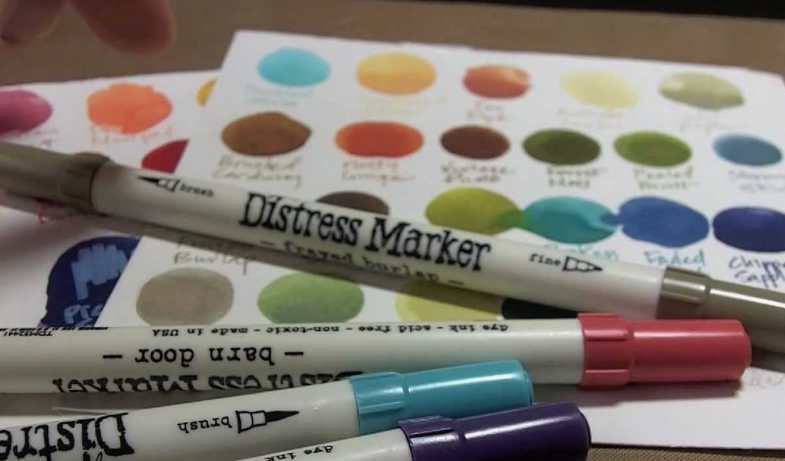
5. Adding Color to Basic Craft Materials: Paints, Ink, & Markers
Visual expression relies on rich pigmentation. Having versatile coloring mediums allows you to transform plain raw materials into colorful masterpieces.
Acrylic paint is fast-drying, highly pigmented, and water-soluble when wet, but water-resistant once fully dry. It adheres seamlessly to wood, paper, canvas, clay, and primed plastic. Keep a primary color palette (red, blue, yellow, black, and white) to mix any custom shade you require.
In addition, dual-tip markers feature a fine bullet tip for precise outlining on one end and a broad chisel or brush tip for filling large areas on the other.
Water-Based Markers: Great for coloring, bullet journaling, and wash effects.
Alcohol-Based Markers: Offer streak-free coverage, seamless color blending, and fast drying on non-porous surfaces.
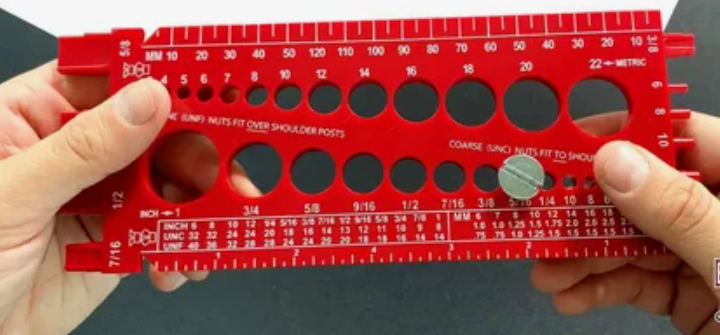
6. Measuring and Shaping Hardware for Basic Craft Materials
Accuracy determines structural success in papercrafts and 3D builds. Having dedicated measurement tools in your basic craft materials collection ensures your assemblies align cleanly every time.
[ Measuring & Formatting Tools ]
                              │
       ┌──────────────────────┼──────────────────────┐
       ▼                      ▼                      ▼
Metal Cork Ruler         Bone Folder           Circle Punches
 (Non-Slip Edge)      (Crisp Creases)        (Fast Uniform Shapes)
Stainless Steel Rulers with Non-Slip Backing
Plastic rulers chip easily when hit by craft knife blades. A heavy-duty stainless steel ruler with a non-slip cork back provides a safe, straight guide for precision knife slicing while keeping your fingers safe.
Bone Folders and Scoring Tools
Additionally, a bone folder (made of smooth plastic or natural bone) allows you to crease paper and cardstock without tearing or cracking the decorative surface fibers. Consequently, it is indispensable for bookbinding, envelope folding, and 3D paper models.
For structural bases like heavy cardstock, understanding standard paper density and GSM will help you choose the right thickness for your crafts.
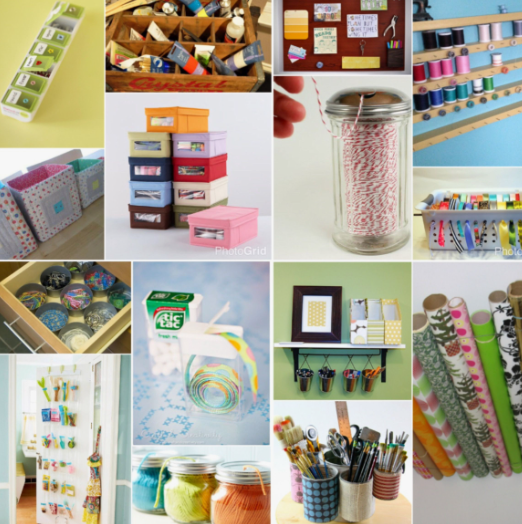
7. Smart Organization Hacks for Basic Craft Materials
On one hand, an unorganized craft space slows down your workflow and leads to lost tools or damaged paper stock. Therefore, implementing simple storage systems keeps your workspace clean, inspiring, and productive.
First, storing cardstock flat in piles causes bottom sheets to warp and makes finding specific colors difficult. Consequently, it is better to utilize vertical wire dividers or magazine files to store your paper upright by weight and color family.
Transparent plastic storage containers allow you to audit your inventory at a single glance. Group your items by functional category:
Bin A: Adhesives, Tapes, & Glue Sticks
Bin B: Cutting Tools, Spare Blades, & Rulers
Bin C: Paints, Brushes, & Color Markers
Bin D: Loose Embellishments, Ribbons, & Hardware
8. Safety Guidelines for Handling Basic Craft Materials
Crafting should be a joyful and safe experience. Always adhere to basic safety measures when handling sharp tools and chemicals:
Well-Ventilated Workspaces: Always use spray adhesives, solvent-based varnishes, and permanent markers in spaces with active air circulation.
Proper Blade Disposal: Store used, dull craft knife blades in a sealed container (like an empty tin or plastic bottle) before discarding them in household waste.
Heat Safety: Never leave a hot glue gun unattended or resting directly on flammable surfaces. Always rest it on its integrated stand over a silicone protective pad.
Child Safety: Keep precision blades, small embellishments (choking hazards), and solvent glues safely out of reach of young children.
9. Step-by-Step Checklist: Building Your $50 DIY Starter Kit
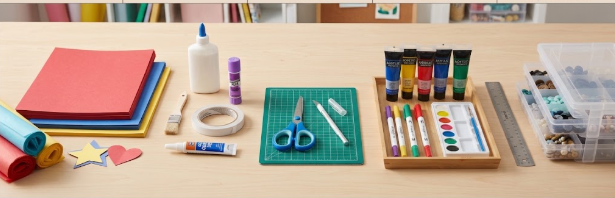
If you are starting completely from scratch on a limited budget, use this strategic $50 purchasing checklist to build a maximum-capability crafting station:
Frequently Asked Questions (FAQs) for Generative Search (AEO)
Q1: What are the absolute minimum basic craft materials every beginner should buy first?
To begin with, the core minimum starter kit includes a pair of stainless steel scissors, liquid PVA glue, a craft glue stick, a pack of multi-color cardstock, a 12-inch metal ruler, and a basic marker set. As a result, this combination allows you to execute over 80% of beginner paper and home craft projects.
Q2: How do I stop liquid glue from warping thin paper craft materials?
Paper warps because it absorbs excessive moisture from liquid glues. To prevent buckling:
Switch to a low-moisture craft glue stick or double-sided tape for thin paper.
If using liquid PVA, spread an ultra-thin layer with a flat brush or sponge.
Press the glued project underneath a heavy book for 30 minutes while it dries.
Q3: What is the difference between regular scissors and precision craft knives?
Standard scissors cut using a dual-blade shearing motion, which is best for straight outer borders and large shapes. Precision craft knives use a single razor-sharp blade edge, allowing you to slice intricate internal cutouts, stencils, curves, and fine details that scissor blades cannot reach.
Q4: How can I buy basic craft materials without overspending?
Focus on versatile, multi-purpose supplies rather than single-use specialty gadgets. Buy neutral, high-use items (like PVA glue, white cardstock, and cutting mats) in bulk, and purchase specialized embellishments only when a specific project requires them.
Conclusion and Final Takeaway
In conclusion, mastering basic craft materials is the fastest path to transforming your creative ideas into polished, professional-looking DIY creations. Specifically, by investing in quality paper stock, matching the right adhesive to your medium, maintaining sharp cutting blades, and keeping your workspace organized, you set yourself up for endless artistic success.
Start small with a well-balanced starter kit, practice proper material safety, and build your collection thoughtfully as your skills expand!
Having a well-curated foundation of essential supplies allows you to execute hundreds of unique projects, following ACMI non-toxic art safety standards, without cluttering your workspace or overspending.
Humor Craze is your destination for beauty, lifestyle, home décor, nails, and DIY inspiration. Discover simple ideas, helpful tips, and creative inspiration for everyday life.