There’s likely no need to stock another drawer of beauty products. You need a collection that brings you your real-life routine without leaving you with half-used bottles, duplicate shades or products that you purchased due to being popular.
The ideal beauty products you actually require depend on your skin, hair and hair coloring practices, lifestyle and your choices. However, a collection of a few dependable items can form a practical collection for most people.
This is not a shopping list, it is a beauty collection audit! Store items that help with a true problem, are used often or make life easier. All else is worth a second look.
The Short Answer: What Beauty Products Do You Actually Need?
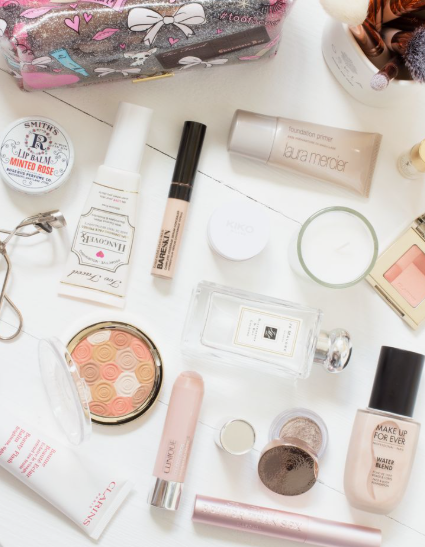
For a simple everyday collection, start with products that perform a clear job:
- A gentle cleanser
- A moisturizer
- A broad-spectrum sunscreen
- One complexion product, if you use makeup
- One concealer, if you need extra coverage
- One blush
- One brow product
- One mascara
- One or two lip products
- Basic hair-care products suited to your hair type
- Basic body-care products you genuinely use
You don’t need every category represented by multiple products.
The goal isn’t to own as little as possible. It’s to own what you actually use.
The American Academy of Dermatology recommends keeping skincare simple and emphasizes basics such as gentle cleansing, moisturizing, and daily broad-spectrum sunscreen with SPF 30 or higher.
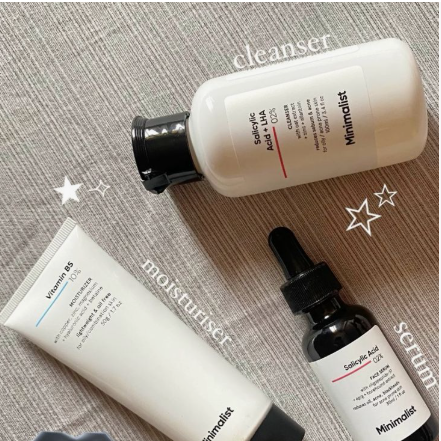
1.Start With the Beauty Products You Actually Need for Skincare
The entire beauty-mindfulness-line revolves around the skin care products.
Don’t purchase a lot of serums, masks, exfoliators, essences and specialty treatments all at once, but rather introduce them based upon a need.
Gentle Cleanser
A cleanser will clear away every day accumulation of oil, dirt, and makeup.
You need to pick one that is suitable for your skin, not the most powerful. Your skin might feel tight, uncomfortable and irritated after cleansing, this could mean you’re doing too much.
Moisturizer
One of the most useful items to have in a beauty arsenal is a moisturizer.
The correct formula is based on skin requirements. A light gel or lotion might be preferred for an oily skin, and a thicker cream might be preferred for a dry skin.
For those who suffer from acne, the ones that are non comedogenic or won’t clog the pores are the best choices. For selecting the product, the AAD advises you to choose the products according to your skin type and requirements.
Broad-Spectrum Sunscreen
In fact, there is one skin care category that can find a permanent place in your collection forever: Sun Protection.
The AAD recommends that you use a broad-spectrum and water-resistant sunscreen with an SPF of at least 30.
Making this step easier is available by selecting a sunscreen that you really like. A product that fits into your routine and feels good is more useful than one that doesn’t get used and stays in a drawer.
One Targeted Treatment, If You Need It
A targeted treatment is not required.
If you have a particular concern you wish to discuss, you may end up adding a single appropriate treatment. However, having a lot of active ingredients on your shelf doesn’t mean they are used by many people.
The AAD points out that while there are a number of products available, using too many can irritate the skin, making a simpler strategy worthwhile.
Keep it simple: Use basic rule of thumb when adding treatments.
If you’re short on time in the morning, check out The Ultimate 5-Minute Beauty Routine for Busy Mornings for quick, easy steps to look polished without spending too much time.
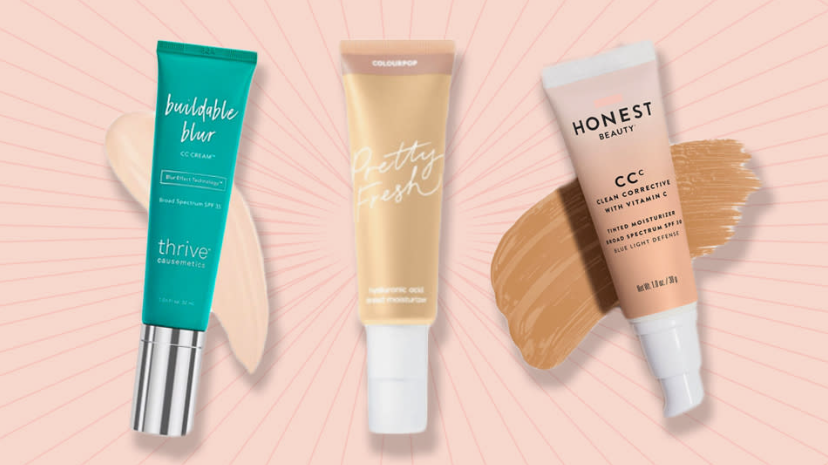
2. Choose One of the Beauty Products You Actually Need for Your Complexion
You don’t necessarily need foundation, skin tint, tinted moisturizer, BB cream, and concealer.
Choose the type of coverage you actually enjoy wearing.
Skin Tint or Tinted Moisturizer
A skin tint or tinted moisturizer can be useful if you prefer lightweight, natural-looking coverage.
Foundation
If you want more coverage or prefer a more finished makeup look, foundation may make more sense.
Concealer
Concealer is particularly useful if you prefer not to wear a full base.
You can use it selectively around areas where you want additional coverage rather than automatically applying complexion makeup everywhere.
The minimalist approach is simple:
Choose the complexion product that matches your actual makeup habits.
If you rarely wear foundation, you don’t need three different formulas waiting for occasions that never happen.
If you want to build an affordable beauty collection without overspending, check out Best Drugstore Beauty Products Under $20 That Are Actually Worth It for budget-friendly products that deliver real value.
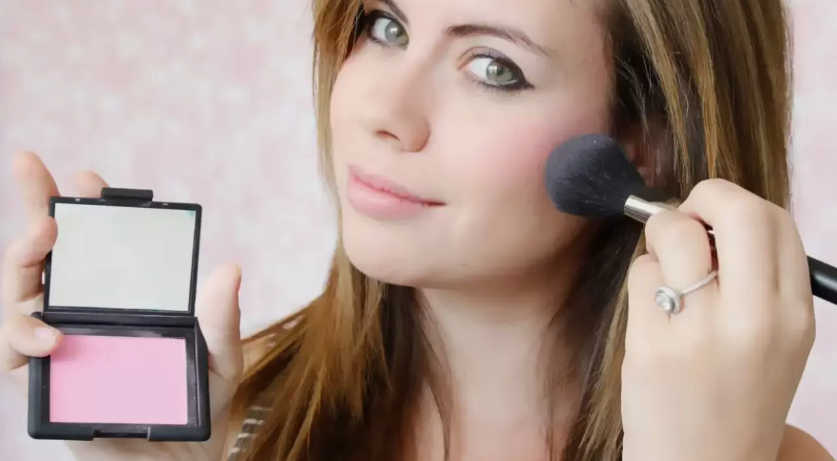
3.Keep One Blush You Actually Need
Smoothing out the wrinkles of a straightforward makeup with blush can leave it fuller and more completed.
If you are a quick-makeup person and you prefer to use your hands to apply makeup, then a cream blush can be particularly convenient.
It’s not necessary to have five shades when each shade seems to be a little different in the package.
Pick a color that you tend to use a lot.
If you’re a makeup enthusiast, you can certainly retain more. Minimalism isn’t a rule that everyone’s to follow, it’s a way to achieve something.
If you’re looking for simple ways to refresh your beauty routine as your needs change, check out Beauty Tips for Women Over 40: 17 Simple Changes That Make a Difference for practical, age-friendly beauty ideas.
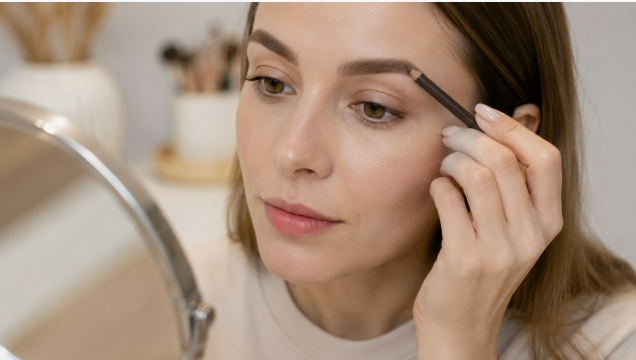
4. Define Your Brows With a Beauty Product You Actually Need
Brows can make a noticeable difference in a simple makeup routine.
Your ideal brow product depends on how much definition you want:
- Brow gel for quick grooming
- Brow pencil for filling sparse areas
- Brow powder for softer definition
- Tinted brow gel when you want color and hold in one step
If your brows are naturally full, a clear or tinted gel may be all you need.
If you have sparse areas, a pencil may be more useful than adding several brow products.
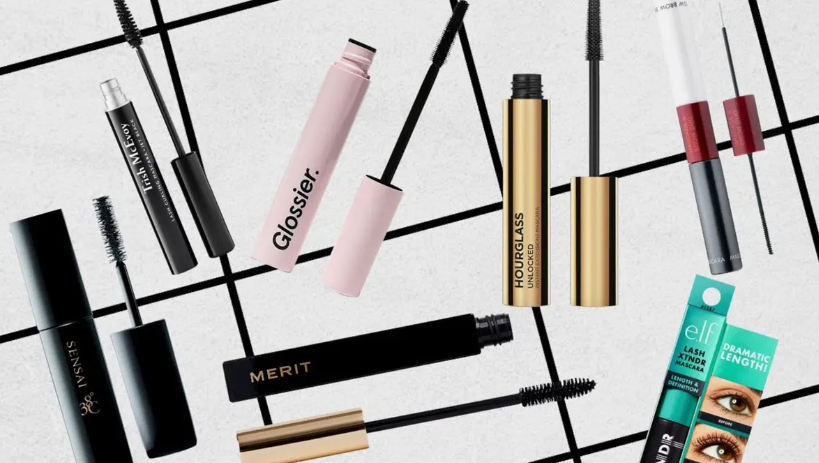
5. Keep One Reliable Mascara You Actually Need
Mascara is another product where one good everyday option can be enough.
Choose based on what you actually want:
- Definition
- Length
- Volume
- Curl
- Water resistance
There is no need to keep multiple open mascaras simply because each one promises a slightly different effect.
And don’t treat mascara like a product that lasts indefinitely. The FDA notes that eye-area cosmetics can have shorter useful lifespans because applicators are repeatedly exposed to microorganisms. It advises consumers to discard old or dried mascara rather than trying to revive it with water or saliva.
If you want to simplify your skincare routine and focus on only the steps that matter, check out Simple Skincare Routine for Beginners: The Only Steps You Really Need for an easy, beginner-friendly approach.
6. Choose a Few Lip Products You Actually Need
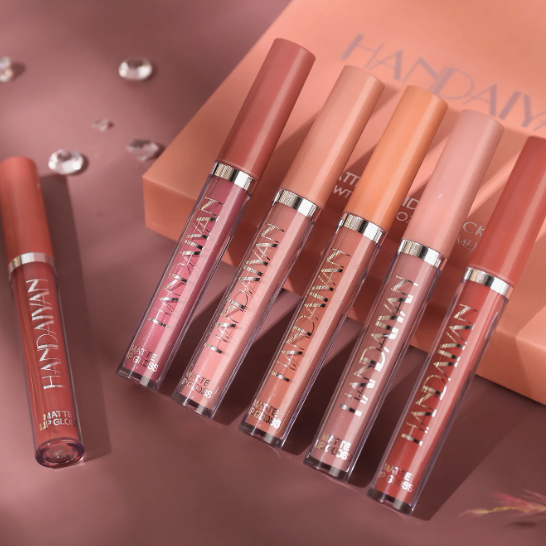
Your minimalist lip collection might include:
- Lip balm
- Everyday lipstick
- Lip liner
- Tinted lip product
- Lip gloss
You don’t need all five, though!
If your home life consists entirely of lip balm and sometimes lipstick, enough is enough.
If you like to put on your lip colour for the dress and change them up with the outfit, it’s perfectly fine if you have a few different shades.
It doesn’t matter how many lip products a minimalist should own.The question isn’t how many lip products a minimalist should own.
The more pertinent question is:
Which lip products do I use?
7.Keep Hair Care Focused on the Beauty Products You Actually Need
Hair care can become one of the fastest-growing parts of a beauty collection.
You may see products for:
- volume
- smoothing
- curls
- shine
- repair
- heat protection
- scalp care
- frizz
- overnight styling
- texture
- hydration
You don’t need all of them.
Start with the products your hair actually requires.
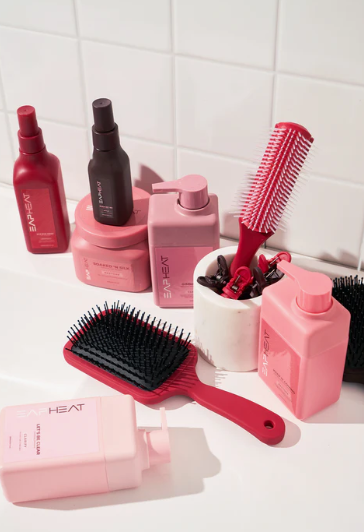
A basic collection might include:
- Shampoo
- Conditioner
- One styling or treatment product, if needed
- Heat protectant if you regularly use heat tools
Your ideal collection will depend heavily on whether your hair is straight, wavy, curly, coily, fine, thick, chemically treated, or frequently heat styled.
8. Don’t Build a Huge Collection of Beauty Products You Actually Need
Body care should solve your everyday needs rather than create more clutter.
For many people, the basics might be:
- Body cleanser
- Body moisturizer
- Deodorant
- Hand cream
- Lip balm
- Sunscreen for exposed skin
Additional products can be useful if you genuinely enjoy or need them.
But you don’t need separate products for every part of your body simply because a brand creates a separate bottle for it.
A minimalist collection asks:
Does this product solve a specific problem, or is it duplicating something I already own?
If you prefer a more natural, pared-down makeup look, check out The Minimal Makeup Guide: How to Look Polished With Less Makeup for simple tips and essential products.
9. Add Targeted Products Only When You Have a Real Need
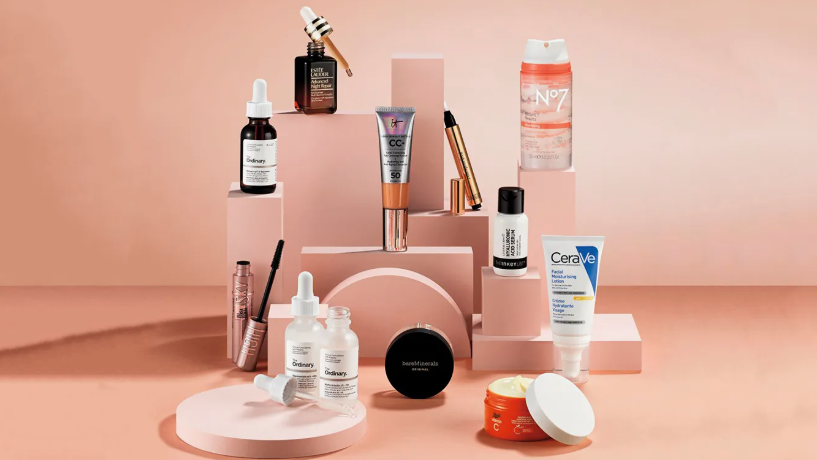
This is where a minimalist beauty collection becomes personal.
You may genuinely need products that another person doesn’t.
For example:
- A person with curly hair may need a curl-defining product.
- Someone who regularly styles their hair may need heat protection.
- Someone who wears makeup every day may need a reliable setting product.
- Someone with a specific skincare concern may benefit from a targeted treatment.
- Someone who loves fragrance may consider perfume an essential part of their personal routine.
The point isn’t to create a universal list of exactly 15 products.
The point is to create a collection that makes sense for you.
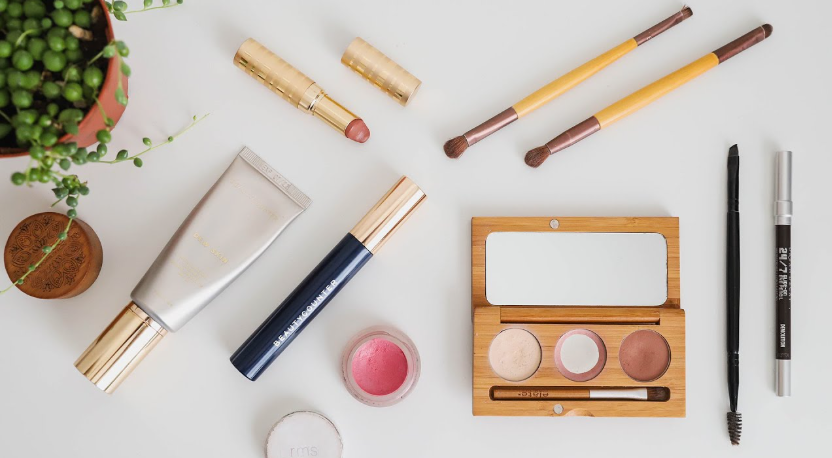
10. What Beauty Products Can You Usually Skip?
This is where you can save the most money and space.
You can often reconsider products that:
- Duplicate something you already own
- You bought only because they were trending
- You rarely use
- Don’t suit your skin or hair
- Don’t fit your lifestyle
- Were impulse purchases
- Perform a function you don’t actually need
- Were purchased because you felt you were “supposed” to own them
That doesn’t mean every optional product is bad.
If you love a face mist, body oil, highlighter, perfume, or elaborate eyeshadow palette, you can keep it.
Enjoyment is a valid reason to own a beauty product.
Minimalism doesn’t mean removing everything fun.
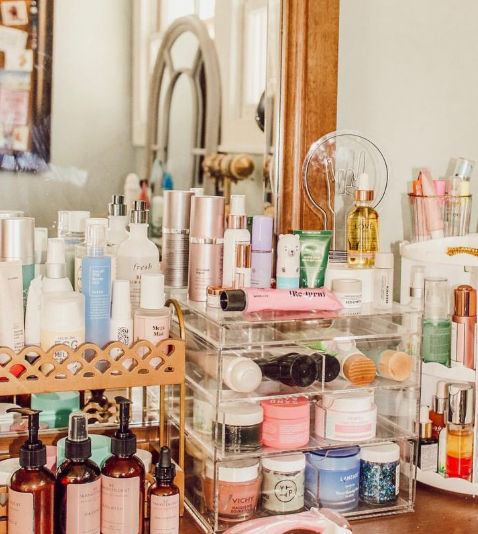
11. How to Build a Minimalist Beauty Collection
Instead of buying a completely new set of products, start with what you already own.
Step 1: Take Everything Out
Put your skincare, makeup, hair care, body care, and beauty tools in one place.
Seeing everything together can reveal how many duplicates you’ve accumulated.
Step 2: Group Products by Function
Create groups such as:
- Cleanse
- Moisturize
- Protect
- Complexion
- Cheeks
- Brows
- Eyes
- Lips
- Hair
- Body
This makes duplicates easier to spot.
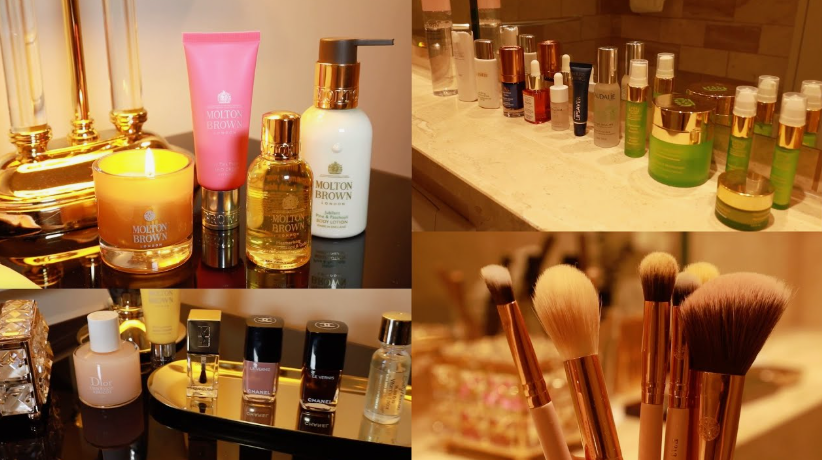
Step 3: Ask Five Questions
For every product, ask:
- Do I use it?
- Does it work for me?
- Does it solve a real problem?
- Do I already own something that does the same job?
- Would I buy it again today?
That final question can be surprisingly useful.
If the answer is no, you may have found something that doesn’t deserve permanent space.
Step 4: Create Three Groups
Put products into:
Keep: You use them and they serve a purpose.
Maybe: You like them but rarely use them.
Let go: They’re expired, unsuitable, duplicates, or products you know you won’t use.
Don’t automatically throw away every product you don’t love. Follow appropriate disposal guidance and consider whether unopened, unused products can be donated where local organizations accept them.
12. The One-In, One-Out Rule
Once your collection is simplified, use a basic rule:
If a new product comes in, an equivalent product should leave.
Buying a new blush?
Finish or let go of an old blush you no longer use.
Buying another foundation?
Check whether you already have one that works.
This prevents a minimalist collection from slowly becoming a maximalist collection again.
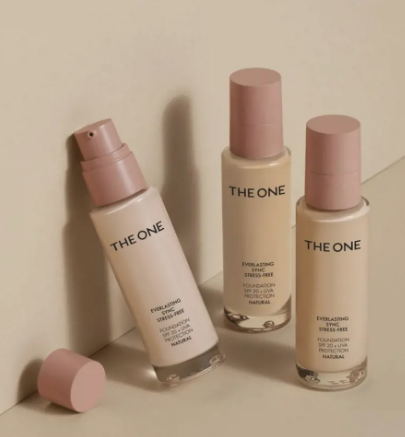
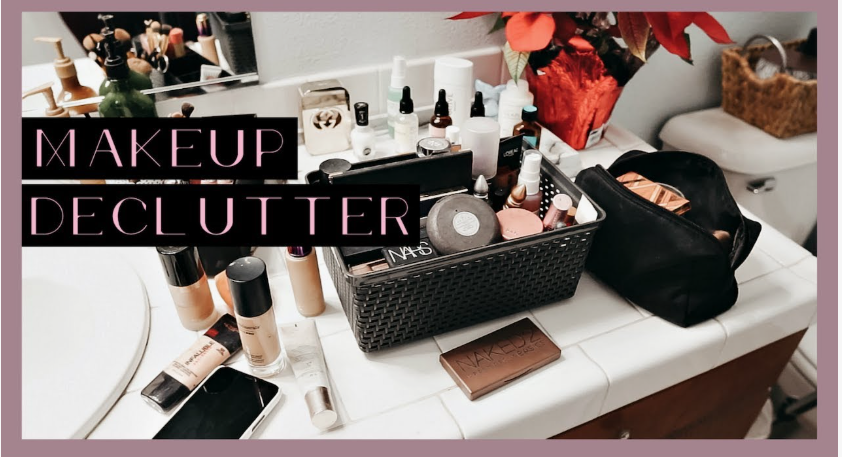
13. How to Declutter Your Beauty Products
Decluttering doesn’t have to mean throwing away half your bathroom.
Start with obvious problem products:
- Expired items
- Dried-out makeup
- Products with changed smell, texture, or appearance
- Products that irritate your skin
- Products you dislike using
- Empty containers
- Duplicate products you won’t realistically finish
The FDA notes that storage conditions, moisture, heat, air, and repeated use can affect cosmetic products over time.
For eye products, be particularly careful about age, contamination, and hygiene.
14. Beauty Products Worth Spending More On
A minimalist collection doesn’t automatically mean buying the cheapest option.
Instead, think about cost per use and how consistently you’ll use something.
A product may deserve a larger budget if:
- You use it almost every day.
- The formula works particularly well for you.
- You have trouble finding a suitable alternative.
- It replaces several products.
- The quality difference genuinely matters to you.
But don’t assume an expensive product is automatically better.
For everyday basics, a reasonably priced product can be perfectly appropriate if it works for your needs.
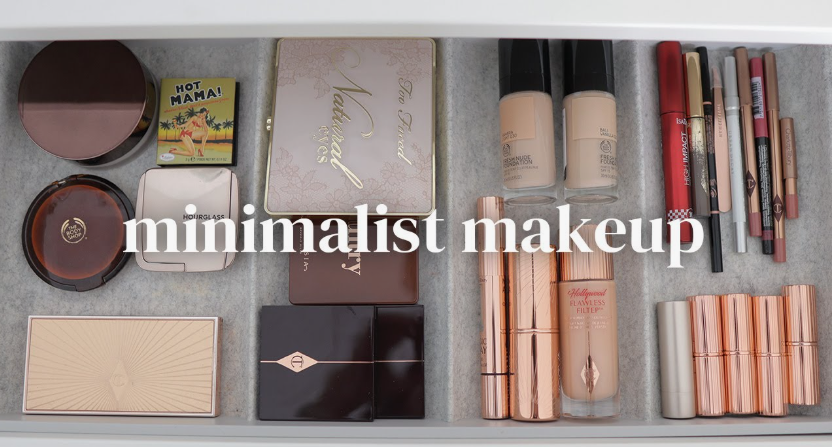
15. How to Know When a Product Has Earned Its Place
Before adding another product to your collection, ask:
What job will this product do?
Then ask:
Do I already own something that performs that job?
And finally:
Will I actually use it regularly?
If you can’t answer those questions, wait before buying.
A wishlist can be useful. Give yourself time between seeing a product and purchasing it.
That simple pause can help separate genuine need from beauty-product FOMO.
A Simple Minimalist Beauty Collection You Can Start With
If you want a practical starting point, your collection could look something like this:
| Category | Simple starting point |
|---|---|
| Cleanser | 1 gentle cleanser |
| Moisturizer | 1 moisturizer |
| Sun protection | 1 broad-spectrum SPF 30+ sunscreen |
| Complexion | 1 skin tint, foundation, or tinted moisturizer |
| Concealer | 1, if needed |
| Cheeks | 1 blush |
| Brows | 1 brow product |
| Eyes | 1 mascara |
| Lips | 1–2 products you actually wear |
| Hair | Shampoo + conditioner + needed styling product |
| Body | Everyday body-care basics |
| Treatment | 1 targeted product, only if needed |
This isn’t a universal prescription.
It’s a starting framework.
Your actual collection may be smaller or larger depending on your lifestyle.
The Best Beauty Collection Is the One You Actually Use
A minimalist beauty collection isn’t about winning a competition to own the fewest products.
It’s about removing the pressure to constantly buy something new.
If you use six products every morning, those six products may be more valuable to you than a bathroom cabinet containing 40 products you barely touch.
And if you genuinely enjoy makeup and beauty experimentation, you don’t have to give that up.
The goal is intentional beauty, not restrictive beauty.
Keep the products that make your routine easier, more enjoyable, or more effective.
Let go of the ones that simply take up space.
Final Thoughts
The key is to look after your skin, hair, lifestyle and routine by using the products that fit you; not the ones that are in style this month.
Keep it simple, select items that will serve a variety of different purposes, and only purchase specialized items if there is a specific purpose.
Above all, don’t mistake a larger beauty brand for a better one.
It may be simpler to organize, maintain and shop for a smaller number of products that you actually use.
Beauty products should work for you and not the other way around.
For basic skincare guidance, the American Academy of Dermatology recommends keeping your routine simple with essentials such as a gentle cleanser, moisturizer, and broad-spectrum sunscreen.
FAQs
What beauty products do I actually need?
Most people can start with basic skincare, sun protection, a few makeup products if they wear makeup, and hair and body-care products that match their actual needs. The exact collection varies by skin type, hair type, lifestyle, and preferences.
How many beauty products do you really need?
There is no universal number. A minimalist collection can be relatively small, but the right number is the number of products you regularly use and genuinely need.
What skincare products are essential?
A simple starting point is a gentle cleanser, moisturizer, and broad-spectrum sunscreen with SPF 30 or higher. Additional treatments should be based on specific needs rather than added automatically.
What makeup products are essential for beginners?
A beginner can start with a complexion product, concealer if needed, blush, brow product, mascara, and a lip product. You don’t need every makeup category to create an everyday look.
Do I really need a serum?
Not necessarily. A serum can be useful when it addresses a specific concern, but it isn’t automatically essential for everyone. Start with basic skincare before adding targeted products.
Do I need a toner?
A toner is optional rather than a universal requirement. Whether it belongs in your routine depends on the product, your skin, and what you’re trying to accomplish.
How do I know which beauty products to get rid of?
Start with products that are expired, dried out, irritating, unsuitable, duplicated, or consistently unused. Also reconsider products you bought impulsively and would not purchase again today.
How can I stop buying too many beauty products?
Create a wishlist, wait before buying trend-driven products, check for duplicates, and use a one-in-one-out rule. Focus on whether a product fills a genuine gap in your collection.