When you have a moment, if you pick up your phone, see if you can do something else with your hands. Analog crafts to do instead of scrolling offer a simple way to replace passive scrolling with projects centered on tangible materials, creativity, and a finished product you can hold.
What’s great about it is that you don’t have to be an expert crafter. You can use a notebook and glue, a small embroidery hoop, some colored pencils, or a bit of air-dry clay.
Traditional, hands-on hobbies like journaling, crochet, needlepoint, sewing, embroidery and more have gotten a new lease on life with the current trend towards analog living.
If you find yourself craving some scrolling when you’re feeling creative, here are 25 analog crafts to try next time.
If you enjoy making thoughtful projects by hand, explore these 30 handmade gift ideas you can make on a budget for more creative inspiration.
What Makes a Craft “Analog”?
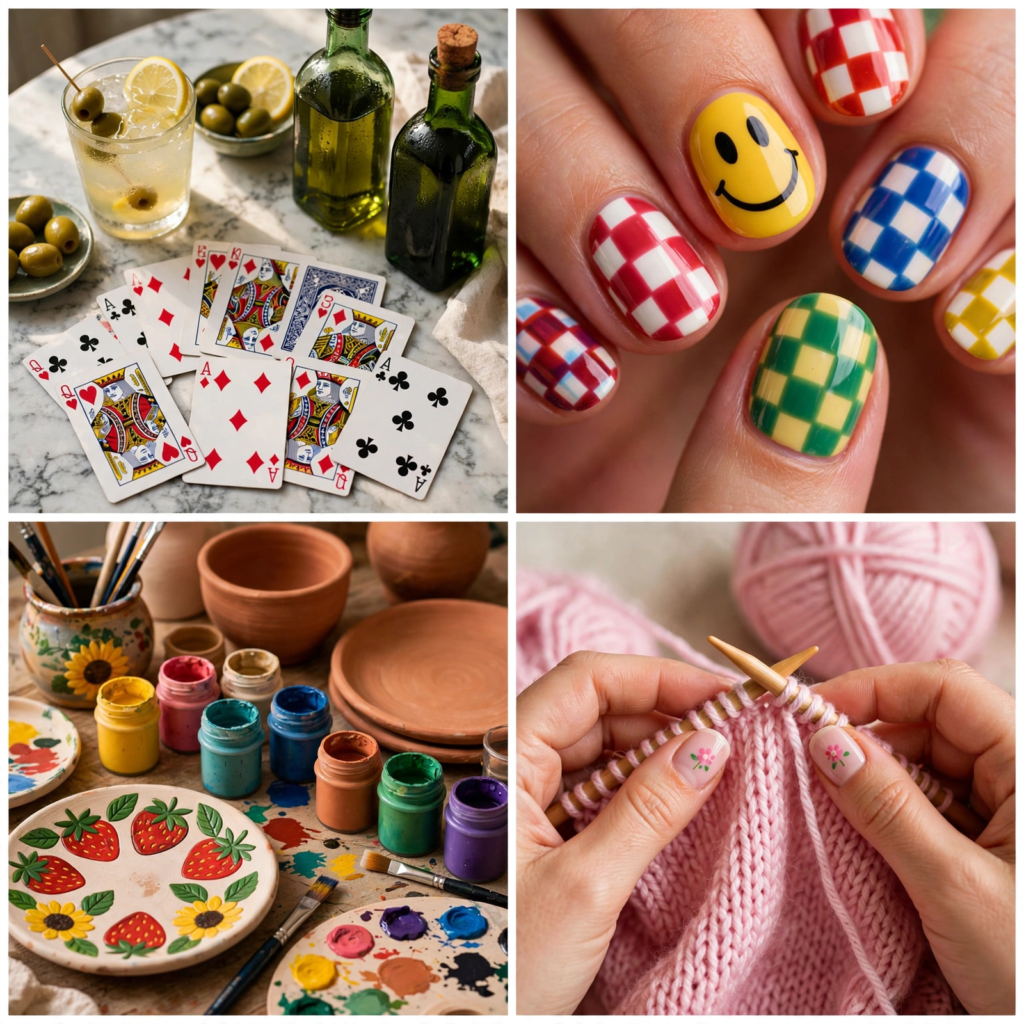
An analog craft is a creative project that uses real materials instead of a screen in the primary senses of the word “craft”.
Consider paper, fabric, yarn, thread, beads, paint, clay, wood, or any other craft supplies.
The activity is not a scroll but it’s a make, arrange, practice, repair or build activity. The finished result doesn’t have to be perfect. Actually, one of the things is that handmade pieces are actually a representation of the person that produced it.
For more creative projects that feel polished and grown-up, explore these 25 craft ideas for adults that don’t feel like kids’ crafts.
25 Analog Crafts to Do Instead of Scrolling
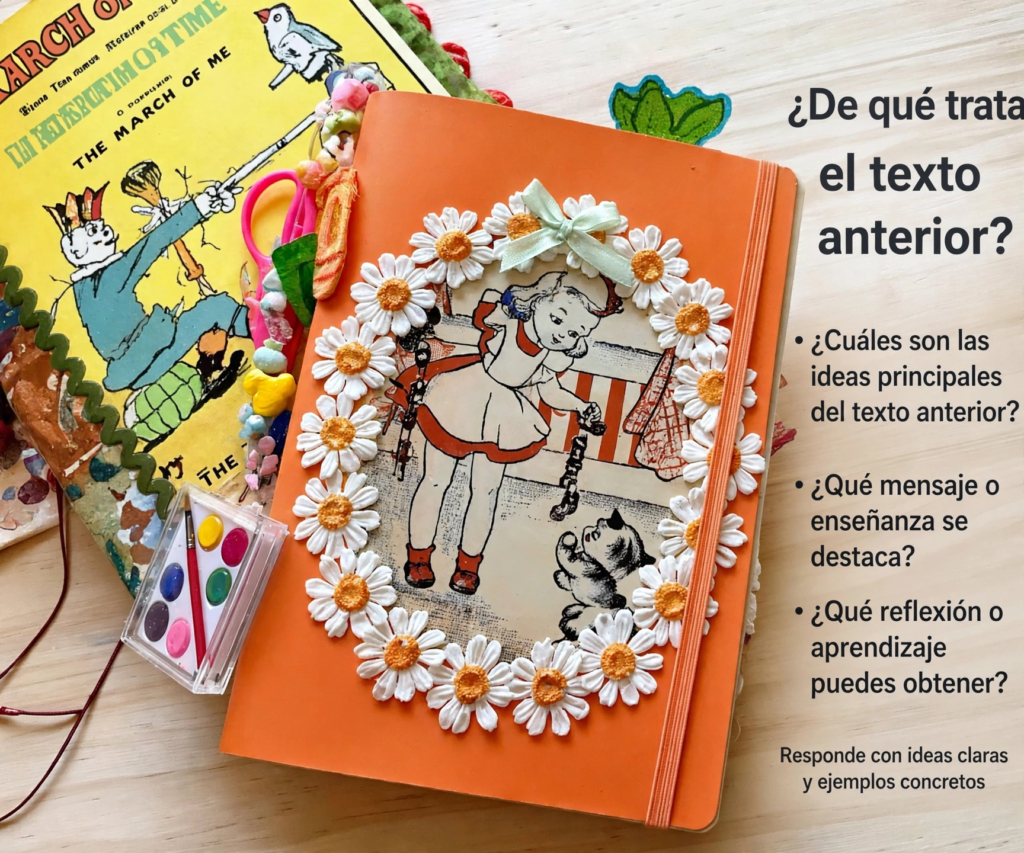
1. Start Junk Journaling With Analog Crafts
Junk journaling is one of the easiest ways to turn everyday paper scraps into something personal.
Use an old notebook or inexpensive blank journal and add:
- Receipts
- Ticket stubs
- Magazine scraps
- Wrapping paper
- Postcards
- Dried leaves
- Printed photos
- Handwritten notes
- Stickers
You don’t need a specific aesthetic. Make a page about your weekend, a favorite meal, a season, or simply whatever is sitting on your desk.
Best for: Creative people who like collecting memories.
If you want to turn your creativity into stylish home projects without spending much, explore these 24 cheap DIY projects for home decor that look expensive.
2. Try Embroidery With Analog Crafts
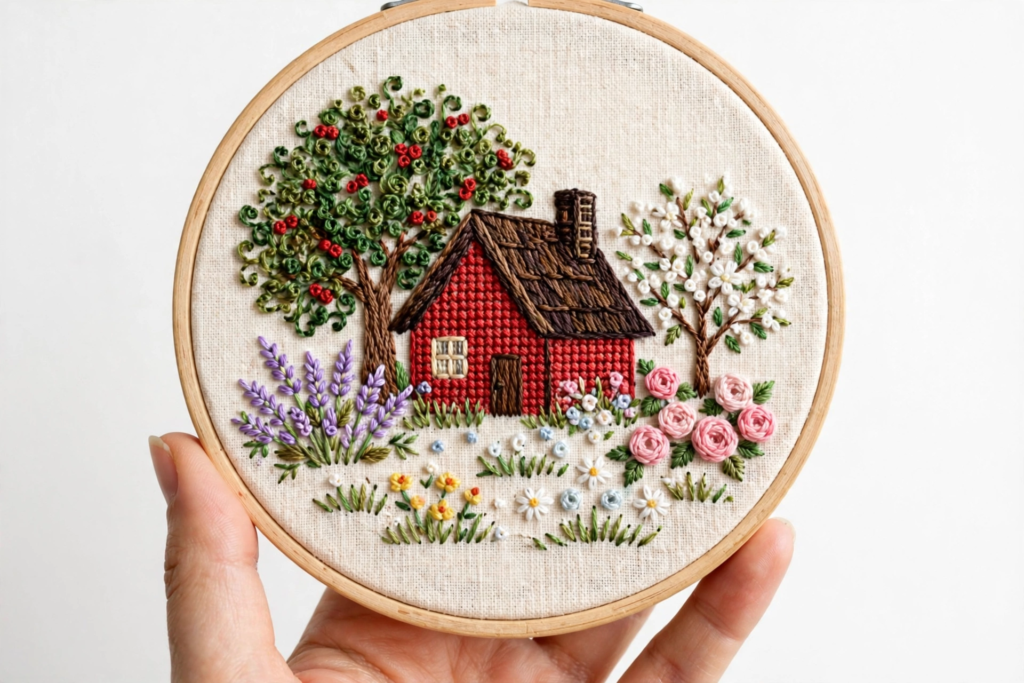
Embroidery is portable, relatively affordable to start, and easy to pause when you only have a few minutes. As one of the analog crafts to do instead of scrolling, it lets you practice simple stitches like the running stitch, backstitch, satin stitch, and French knot.
Use a small piece of cloth to decorate or create a personalized tote bag, or try making larger textile art as you build your skills. As one of the analog crafts to do instead of scrolling, hand sewing is easy to pick up with a beginner kit that includes the basic supplies and instructions in one bundle.
Ideal for: Calm nights, and repetitive, hands-on crafting.
3.Learn Crochet With Analog Crafts
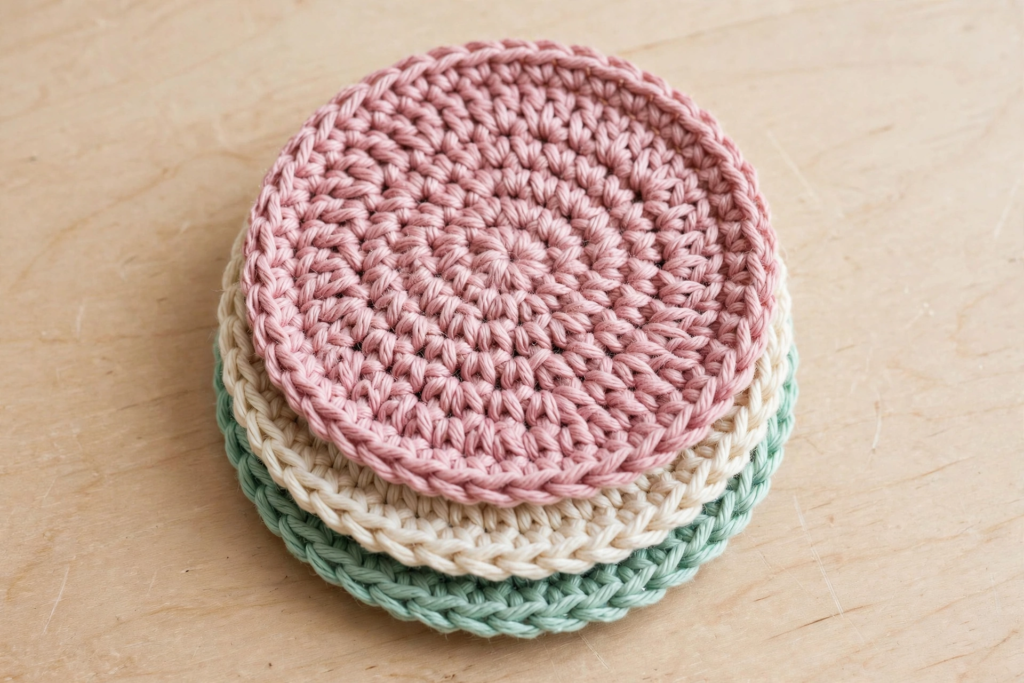
Crochet is particularly useful when you want something you can keep beside the couch and pick up without much preparation.
Start with a basic chain and a small square rather than immediately attempting a complicated sweater.
Once you become comfortable, you can work toward:
- Coasters
- Dishcloths
- Scarves
- Granny squares
- Small bags
- Blankets
The repetitive movement also makes crochet a natural candidate for a low-energy craft session.
Best for: Couch crafting and longer projects.
If you prefer quick projects you can complete in a single sitting, explore these 30 crafts you can finish in one afternoon for more easy creative ideas.
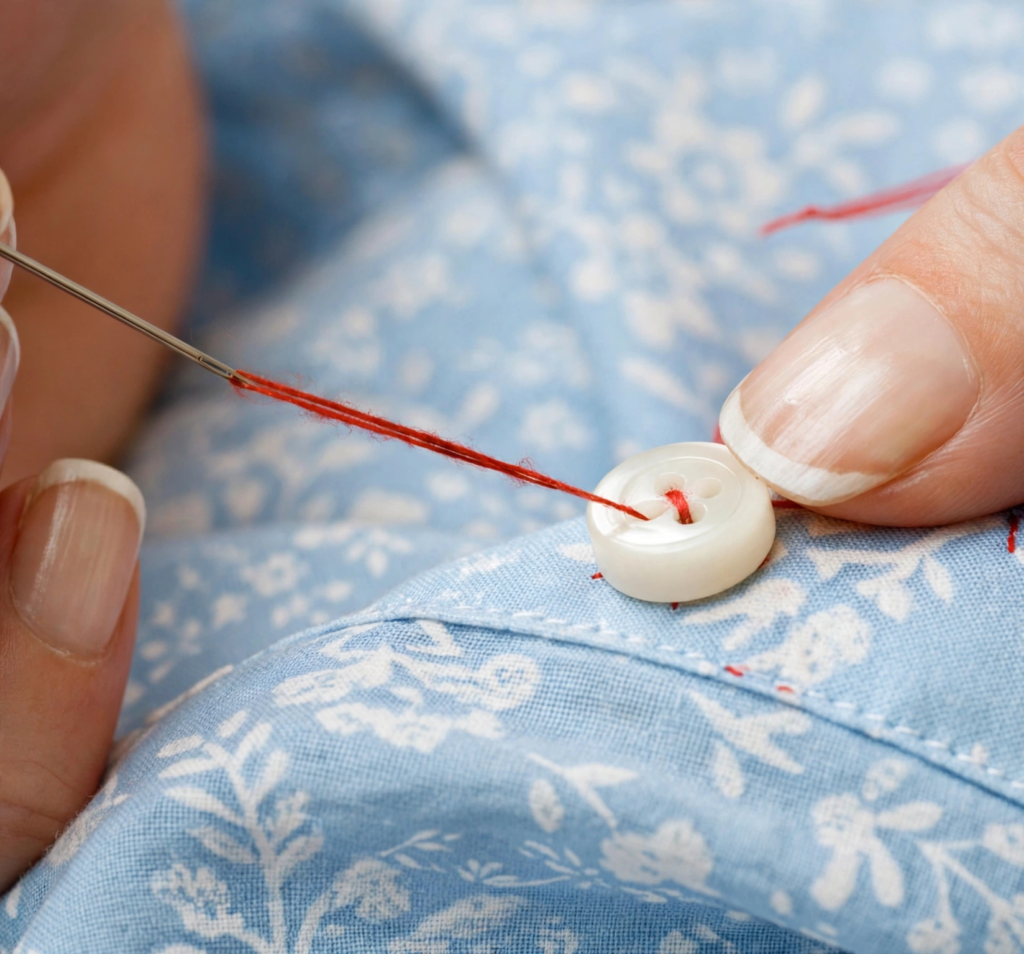
4. Practice Hand Sewing With Analog Crafts
You do not have to use a sewing machine to sew.
For simple projects, all you need is a needle, thread, scrap fabric, and scissors. Try straight stitches, make a little pouch, fix a loose seam, or sew simple fabric decorations. These analog crafts to do instead of scrolling keep your hands busy while turning basic materials into something useful.
Learning to do something with something that you already have in your home, too.
Best for: Beginners with a need for a skill.
For more creative ways to turn everyday items into tiny projects, explore these 20 miniature crafts from recycled materials.
5. Give Needlepoint a Try With Analog Crafts
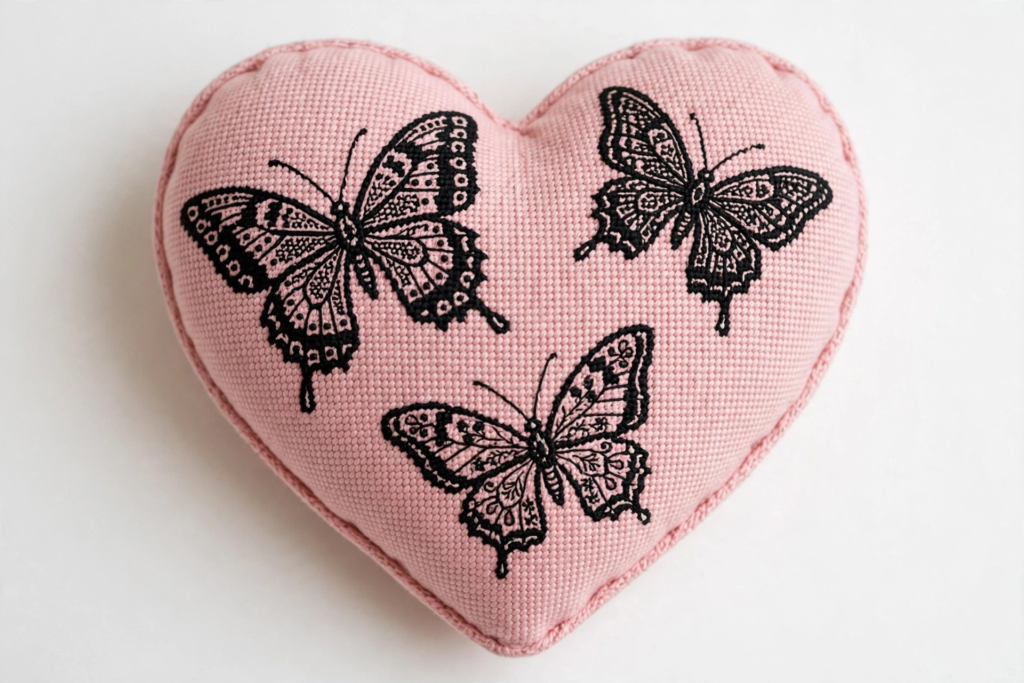
If you’re intimidated by a blank page, needlepoint gives you a template to follow. Pick a small beginner canvas instead of a large design. When you’re finished, your project can become a decorative pillow, framed artwork, or even an ornament—making it one of the most practical analog crafts to do instead of scrolling.
Sewing and other traditional textile pastimes have also featured prominently in the coverage of 2026 craft-related trends, as has needlepoint.
Ideal for: Organizers.
6.Try Watercolor as an Analog Crafts
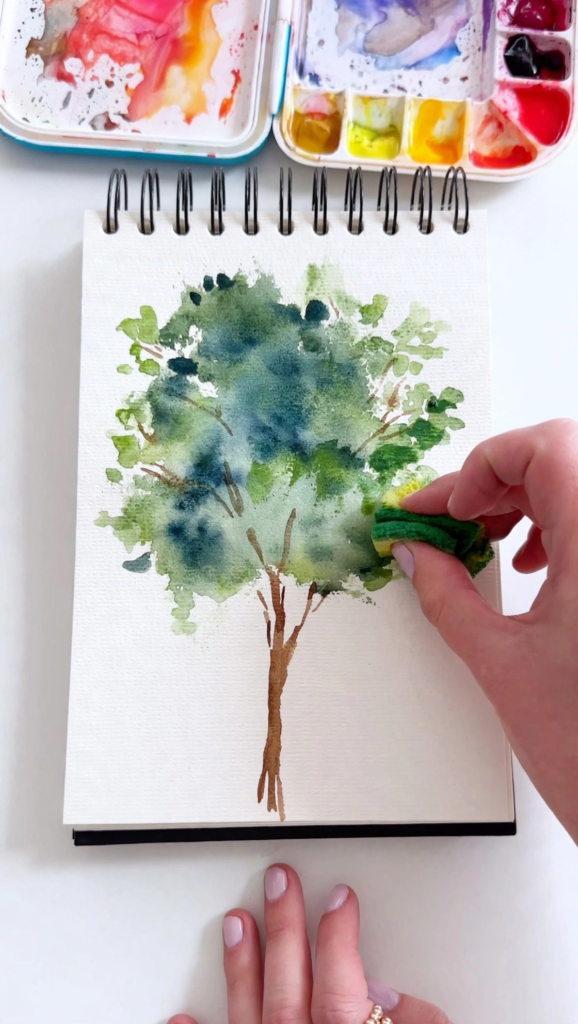
Watercolor is a good choice when you want a creative activity without a huge workspace.
Keep a small palette, brush, water cup, and watercolor paper together so you can begin quickly.
Don’t worry about painting elaborate landscapes. Try:
- Leaves
- Flowers
- Simple fruit
- Abstract shapes
- Color swatches
- Tiny landscapes
Best for: Short creative sessions.
7.Color in an Adult Coloring Book With Analog Crafts
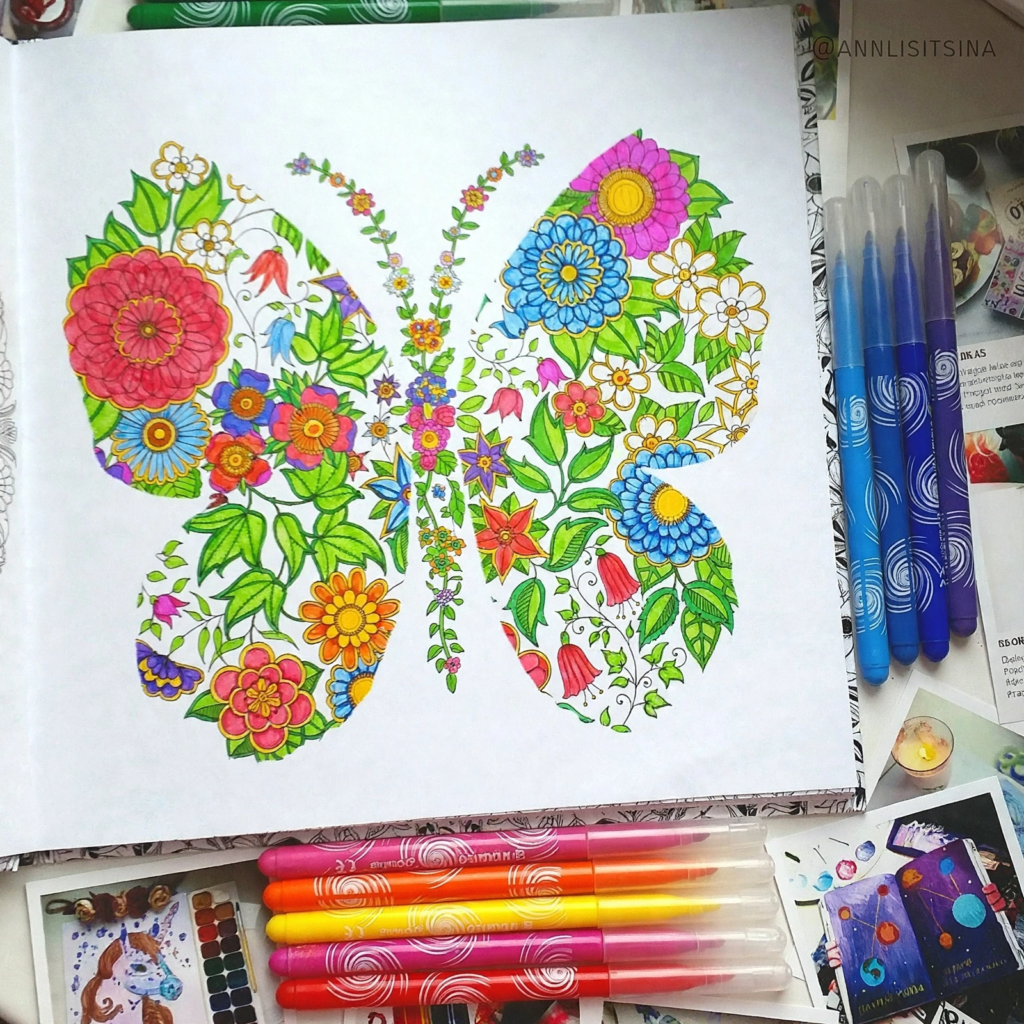
There is no need to master a new technique to enjoy adult coloring. Use colored pencils, markers, or crayons to fill in a coloring page while listening to music or simply sitting quietly. As one of the easiest analog crafts to do instead of scrolling, coloring gives you a relaxing, low-pressure creative activity to pick up anytime.
The key is the activity puts your hands to something other than your phone.
Ideal for: Low energy evenings.
8.Make a Paper Collage With Analog Crafts
Grab some old magazines, catalogs, wrapping paper, newspapers, or leftover scrapbook paper, and make a collage.
You can make an abstract artwork, create a mood board, design a greeting card, make something to hang on your wall, etc.
Try to stick to one color family if you want something especially easy.
Most suitable for: People who like to be creative but don’t consider themselves painters.
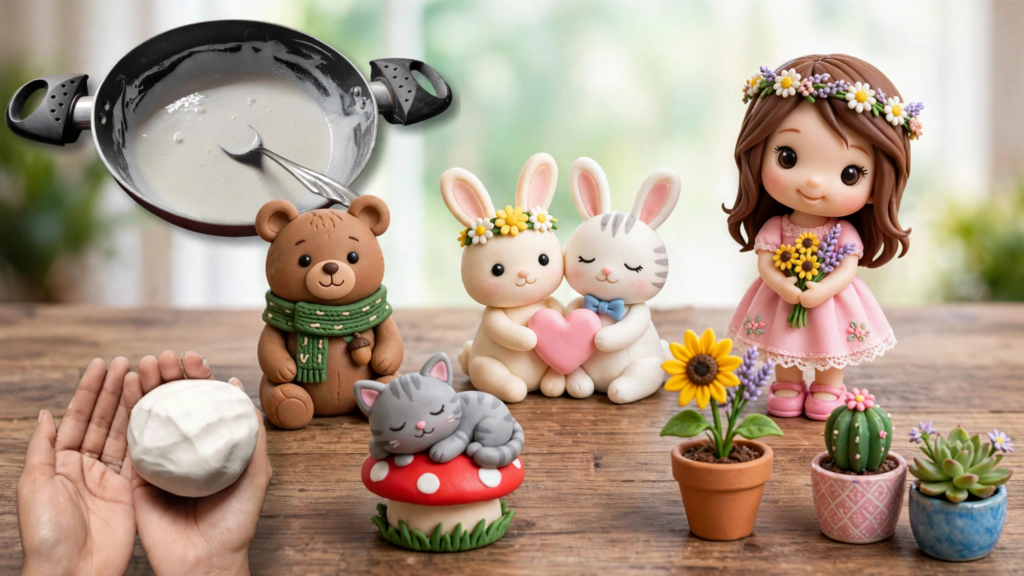
9. Sculpt With Air-Dry Clay as an Analog Crafts
Air-dry clay lets you experiment with three-dimensional crafts without needing a kiln.
Start with small objects such as:
- Trinket dishes
- Ring cones
- Tiny trays
- Plant markers
- Decorative shapes
- Mini sculptures
Let the pieces dry according to the clay manufacturer’s instructions, then decorate them if the material allows it.
Best for: Anyone who wants to work with their hands.
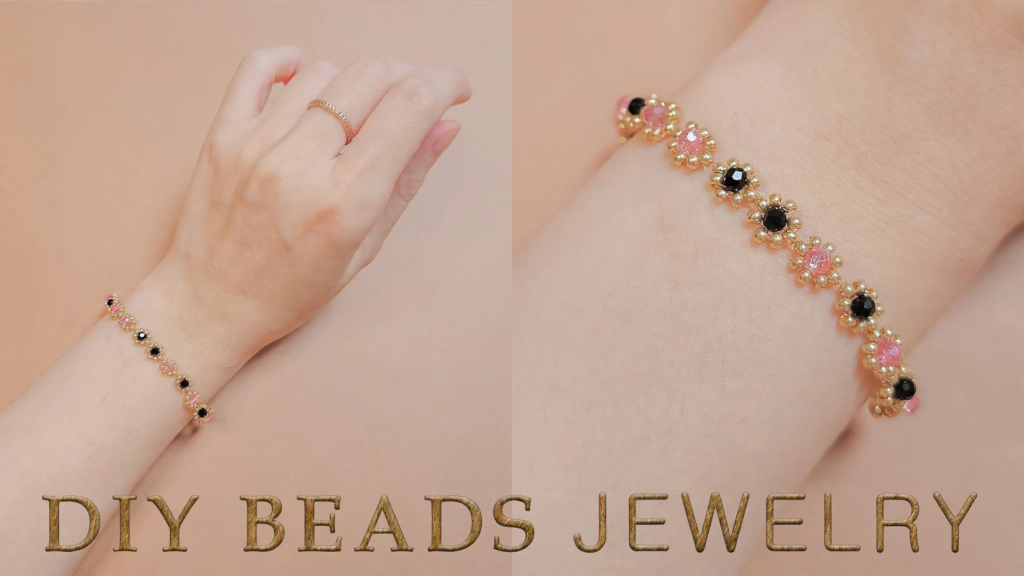
10.Make Beaded Jewelry With Analog Crafts
Beading is another portable craft that can occupy a small corner of your table.
You can start with elastic cord and inexpensive beads before moving into more advanced jewelry techniques.
Try making:
- Bracelets
- Simple necklaces
- Phone-free keychains
- Bag charms
- Bookmarks
- Friendship bracelets
Best for: Short projects and personalized gifts.
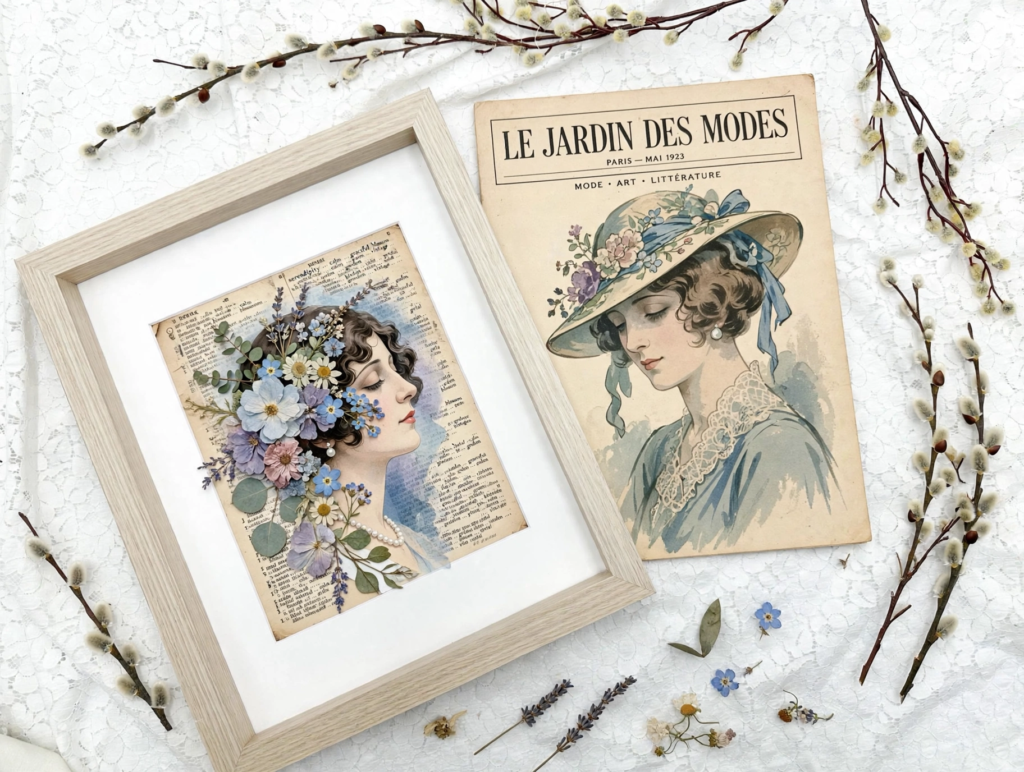
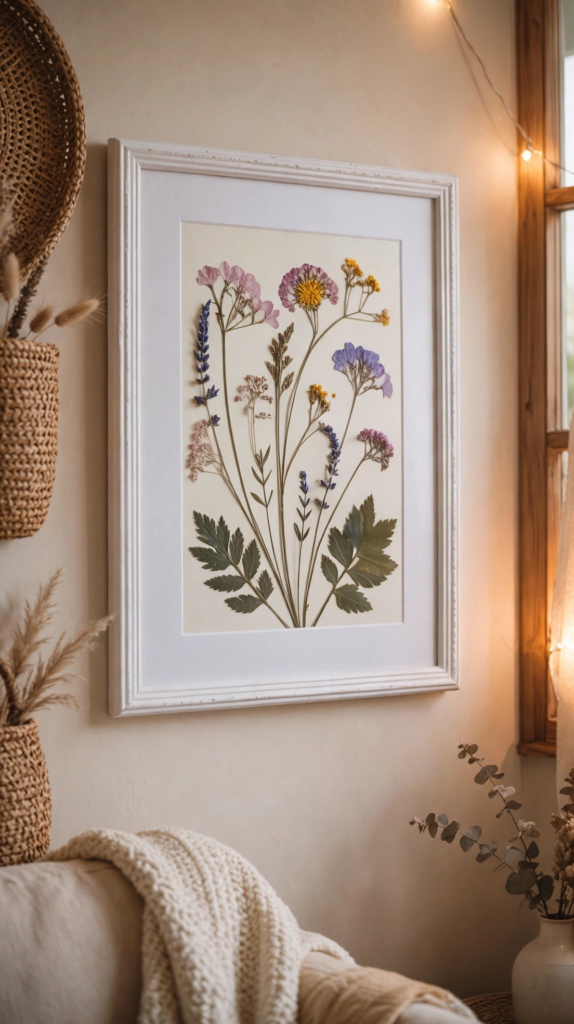
11. Create Pressed-Flower Art as an Analog Crafts
Instead of letting a pretty flower or leaf disappear after a season, preserve it for a craft project.
Pressed botanicals can become:
- Framed art
- Bookmarks
- Greeting cards
- Journal decorations
- Small paper collages
Make sure the plant material is suitable for handling and that you have permission to collect it where applicable.
Best for: Nature lovers and home-decor enthusiasts.
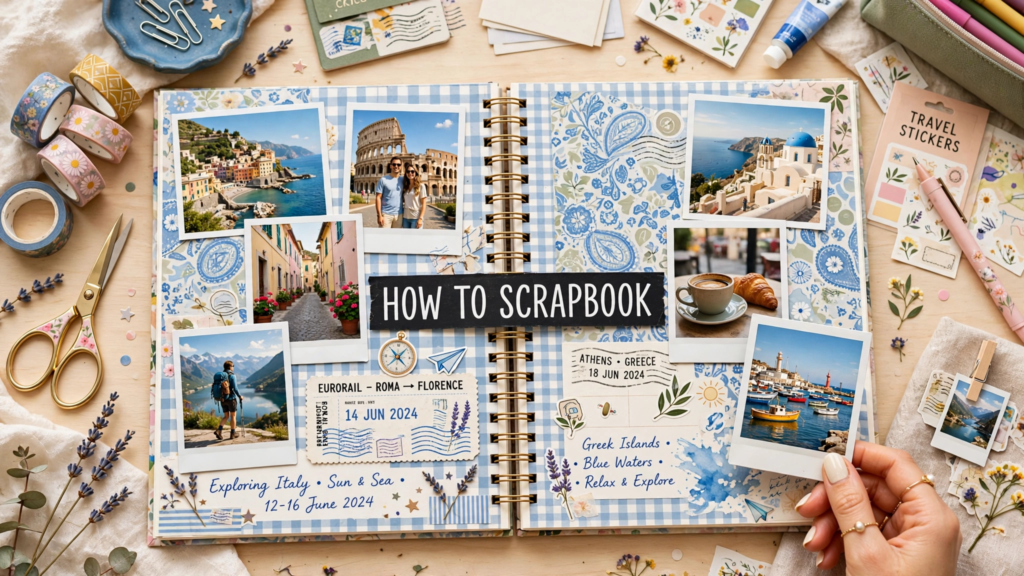
12.Make a Scrapbook as an Analog Crafts
Scrapbooking is more structured than a casual junk journal.
Choose a specific subject such as:
- A vacation
- Family memories
- A wedding
- A school year
- A favorite season
- Your home
Use photographs, paper, handwritten captions, stickers, and decorative elements to tell the story.
Best for: Memory keeping and meaningful gifts.
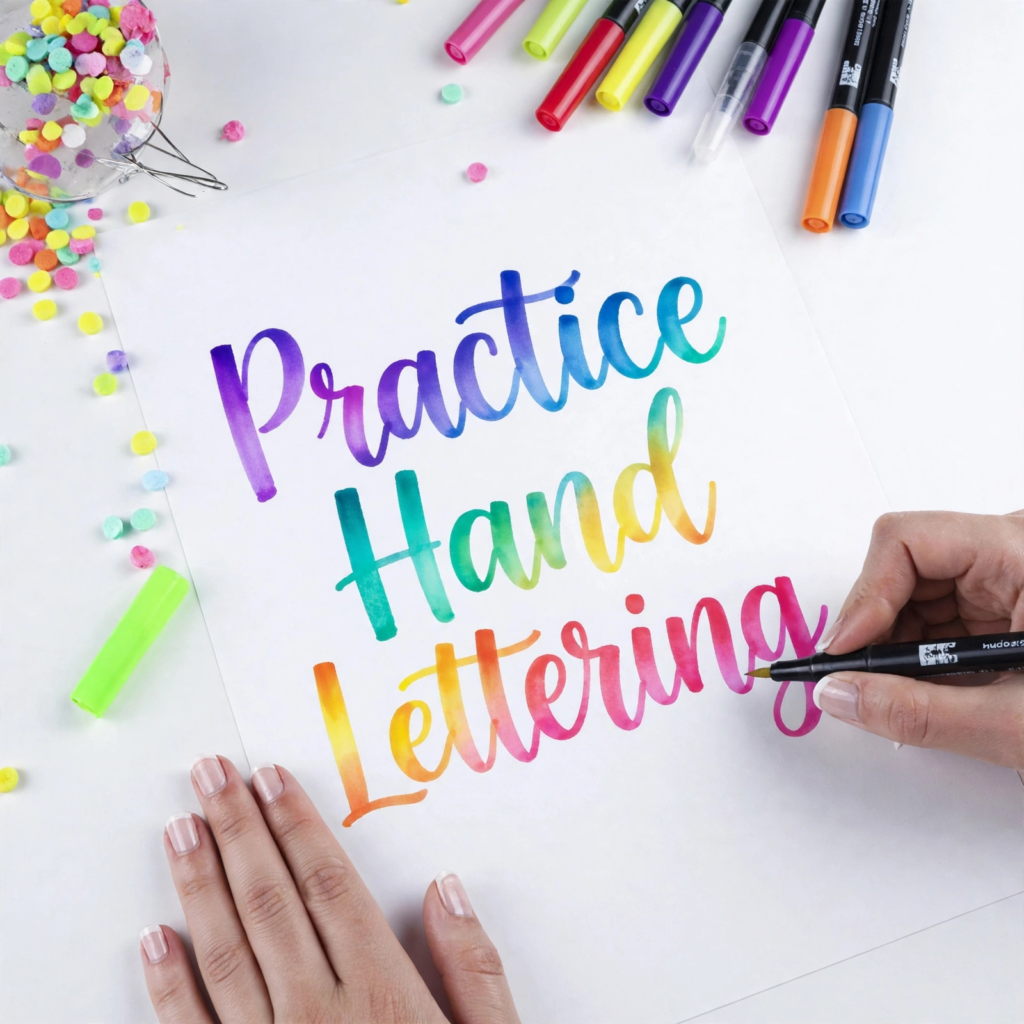
13. Practice Hand Lettering as an Analog Crafts
If your handwriting is bad, don’t stress. That’s actually a good thing!
Practice your lettering with fun exercises, then slowly branch out into different styles. Use your finished designs to make greeting cards, gift tags, journal covers, and more. Hand lettering is also one of the creative analog crafts to do instead of scrolling when you want a simple project with a useful finished result.
Just a pen, some paper, and your creativity is all you’ll need to get started.
Best For: Paper and stationery lovers.
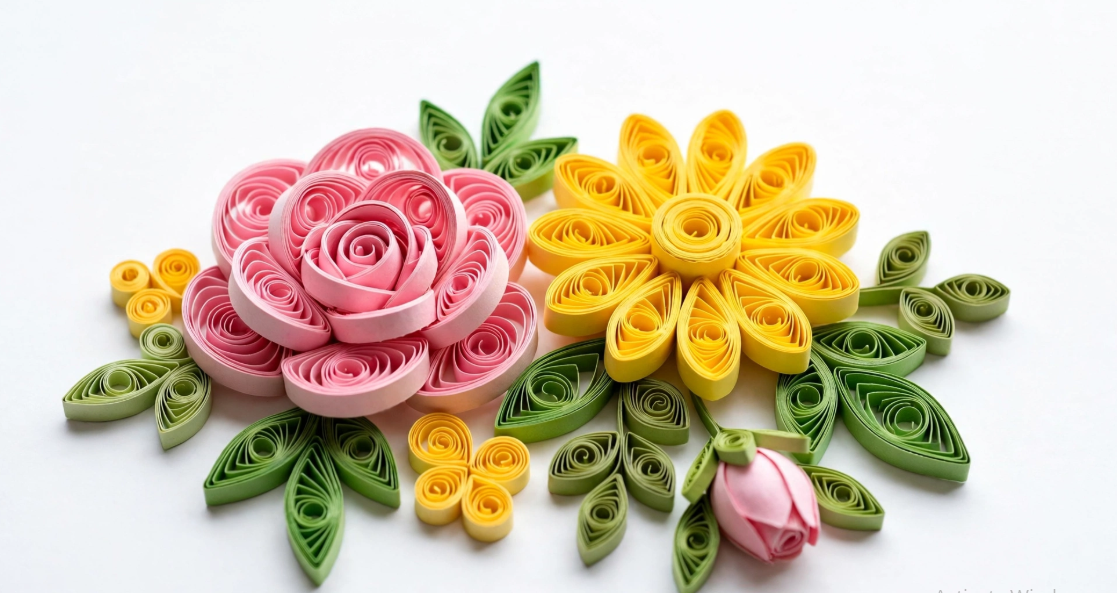
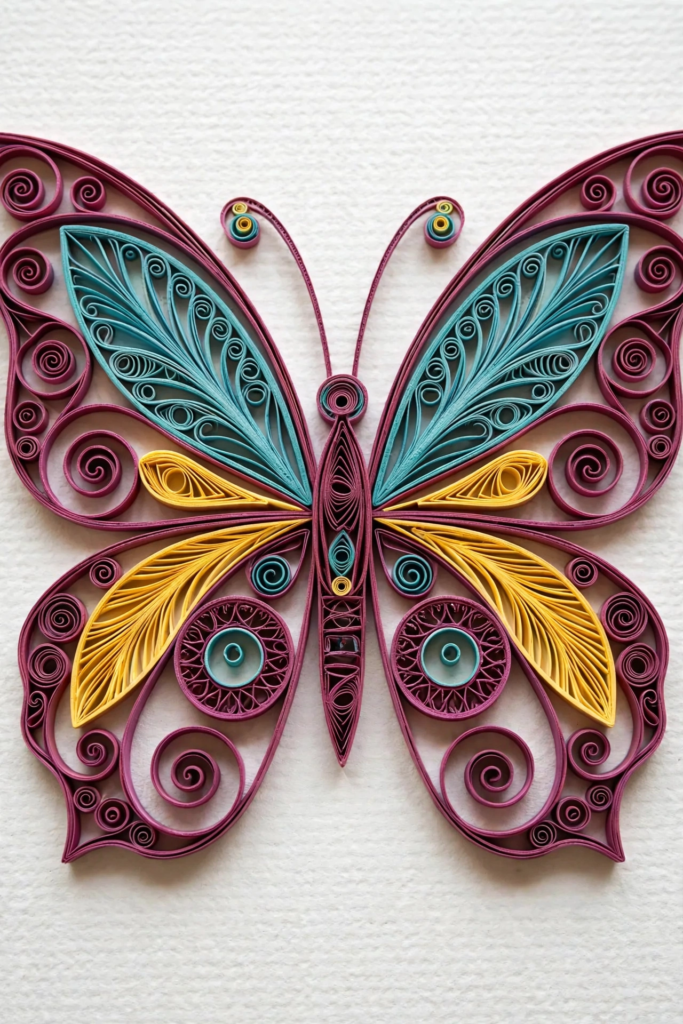
14. Try Paper Quilling
Paper quilling is an art of rolling and shaping narrow strips of paper into decorative patterns.
You can make coils into flowers, leaves, geometric shapes, and other designs.
Start with a small greeting card or a framed composition instead of a large work.
Perfect for detail-oriented crafter.
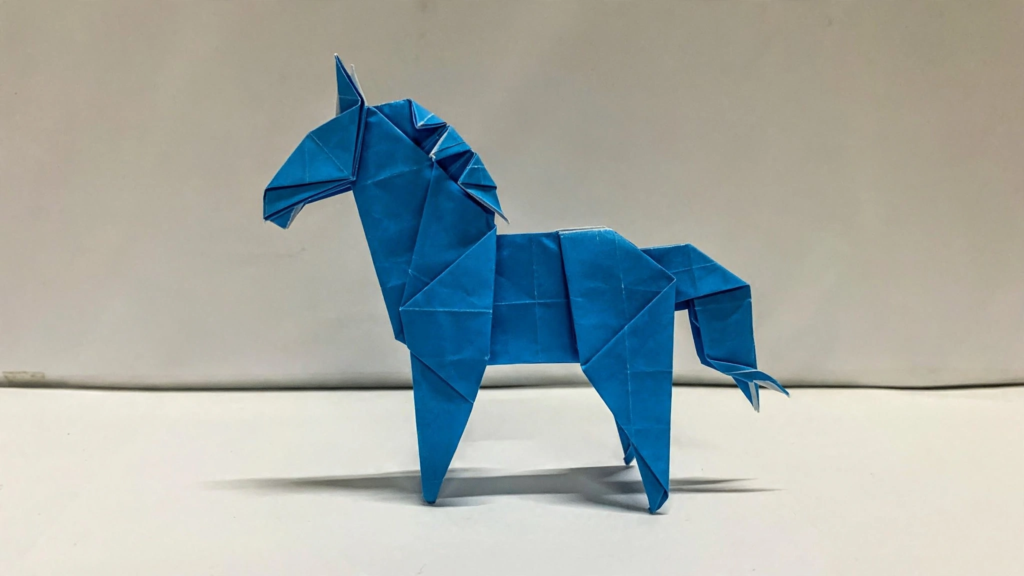
15. Fold Origami
Origami has one major advantage for an anti-scrolling hobby: you need very little equipment.
Start with square paper and beginner-friendly folds. Once you know a few basic techniques, experiment with:
- Flowers
- Cranes
- Boxes
- Animals
- Stars
- Decorative garlands
You can even display finished pieces in a bowl or shadow box.
Best for: Small spaces and inexpensive crafting.
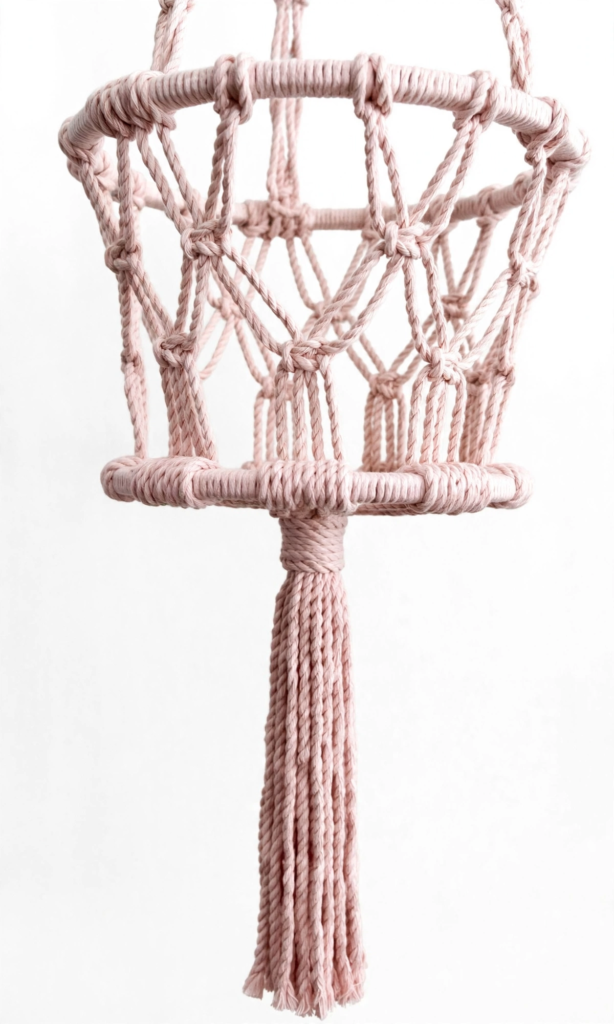
16. Make a Simple Macramé Project
Macramé uses knots instead of needles or hooks to create decorative textiles.
For your first project, skip the huge wall hanging and try something small such as a plant hanger, keychain, coaster, or simple hanging decoration.
Natural cotton cord can also fit easily into a laid-back home-decor style.
Best for: People who love repetitive handwork and texture.
17. Learn Visible Mending
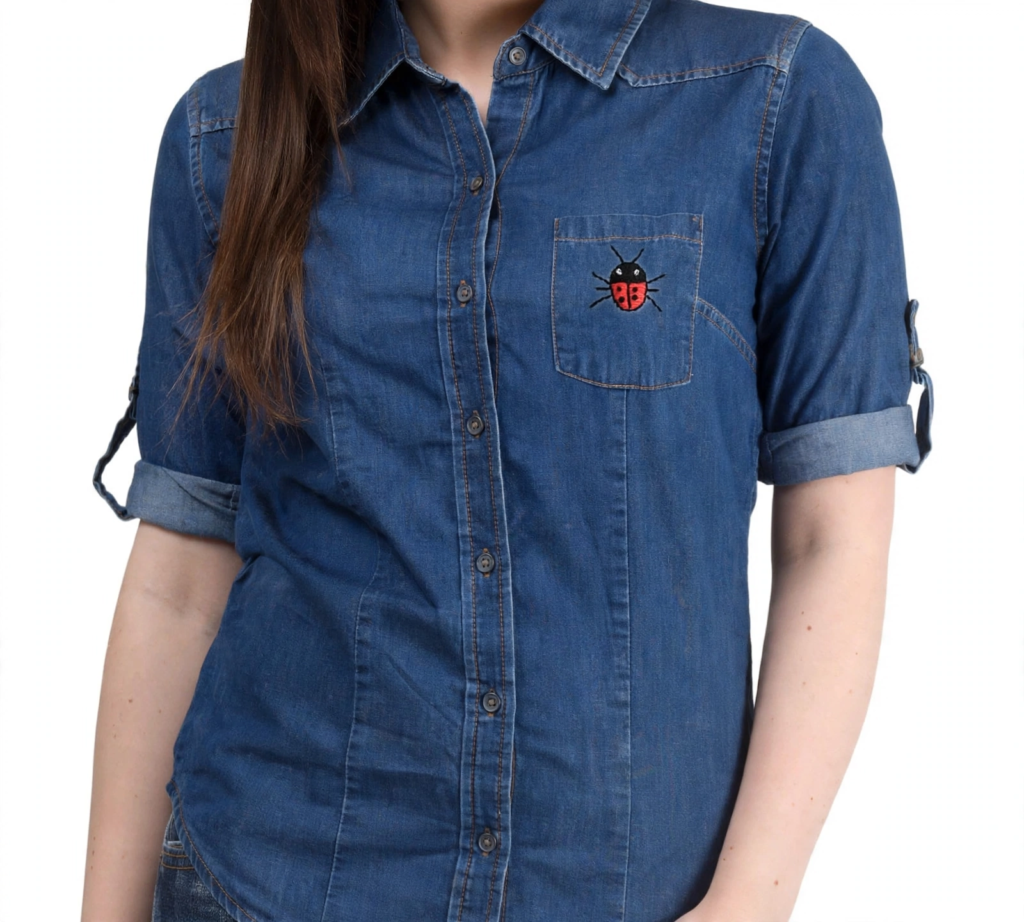
Visible mending turns clothing repairs into decorative details.
Instead of trying to make every repair invisible, use contrasting thread or decorative stitches to make the repair part of the design. This type of visible mending is one of the practical analog crafts to do instead of scrolling, giving worn clothing a fresh, personalized look.
You can experiment on:
- Jeans
- Sweaters
- Jackets
- Fabric bags
- Pillow covers
This is especially useful if you want your analog hobby to produce something practical rather than another decorative object.
Best for: Sustainable-minded crafters and beginners learning hand sewing.
18. Try Punch Needle
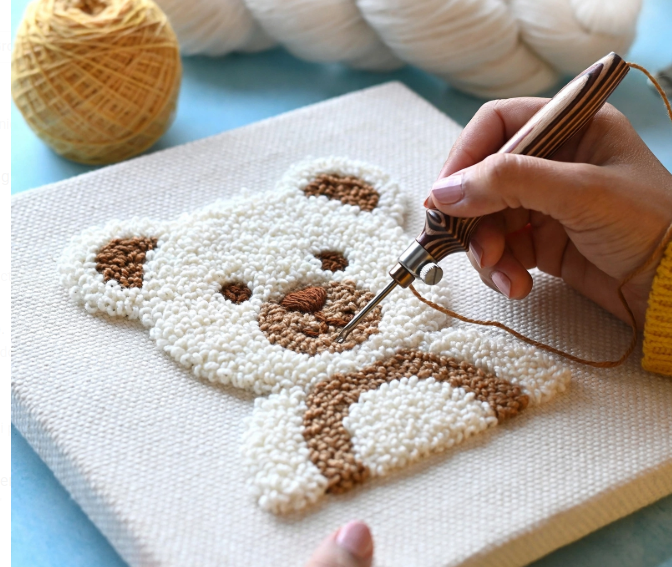
Punch needle is a craft that uses yarn and a special punch needle to create a raised pattern on a surface
Begin with simple patterns so you can see how tight to keep the fabric and how much yarn to use.
Projects can be finished as wall hangings, small decorative pieces, or fabric decorations
Good for: Yarn lovers who want a change from crochet, or are looking for another textile crafting option.
19. Make String Art
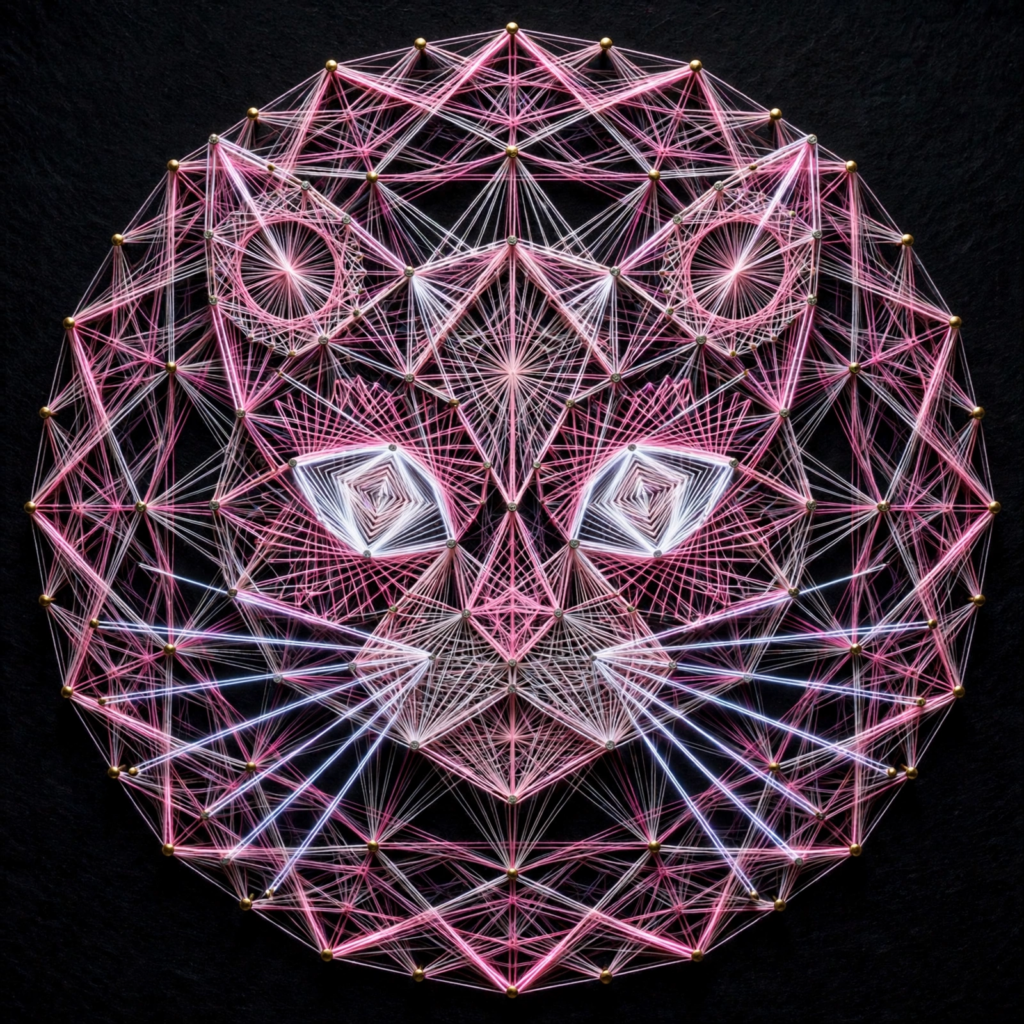
String art is a good choice when you want finished artwork for your home.
A basic project generally involves creating a design on a surface and wrapping or connecting thread around points to form the pattern.
Try a simple:
- Leaf
- Initial
- Geometric shape
- Star
- Botanical design
Choose a small project first so you can learn the technique without committing to a huge wall piece.
Best for: DIY home-decor lovers.
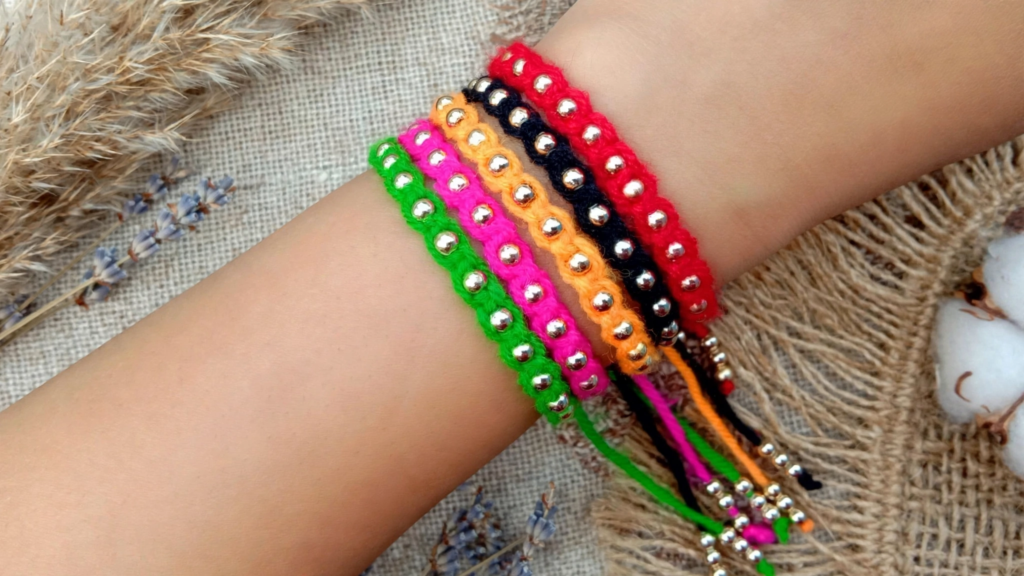
20. Make Friendship Bracelets
You don’t need to be stuck at summer camp as a preteen to appreciate friendship bracelets.
Tie some embroidery floss into simple braids or knots and you have wearable art. Once you’ve learned the basic friendship bracelet pattern, you can have fun mixing and matching colors and giving the bracelets as gifts to friends and family.
Best for: Social crafting and cheap gifts.
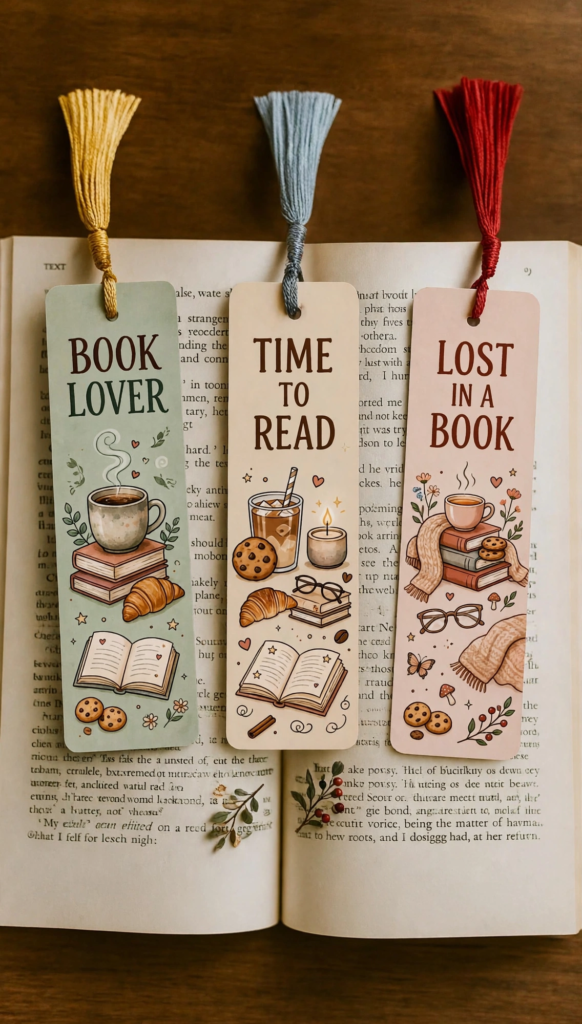
21. Make Handmade Bookmarks
If you love physical books, make something to go with them.
Use cardstock, watercolor paper, fabric scraps, pressed flowers, ribbon, or collage materials to create personalized bookmarks.
You can even make several at once and keep a few ready as small gifts.
Best for: Readers who want a craft they can finish quickly.
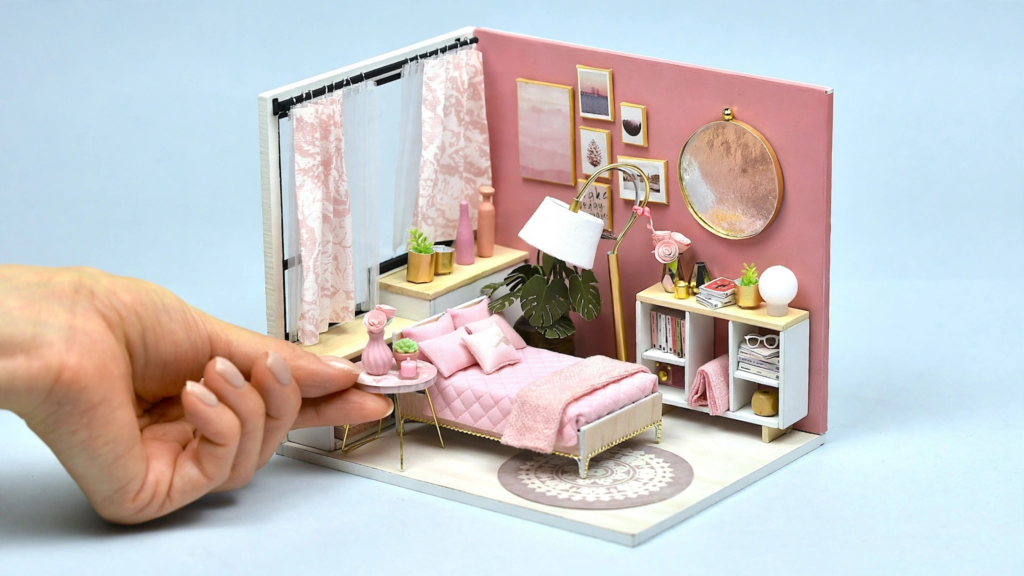
22. Build a Miniature Scene
Miniature crafting gives you a tiny world to assemble piece by piece.
You can create a miniature room, bookstore, greenhouse, café, garden, or other small scene.
Kits are available if you want instructions and preselected materials, but you can also improvise with cardboard, paper, fabric scraps, craft sticks, and found objects.
Best for: Detail lovers who enjoy long projects.
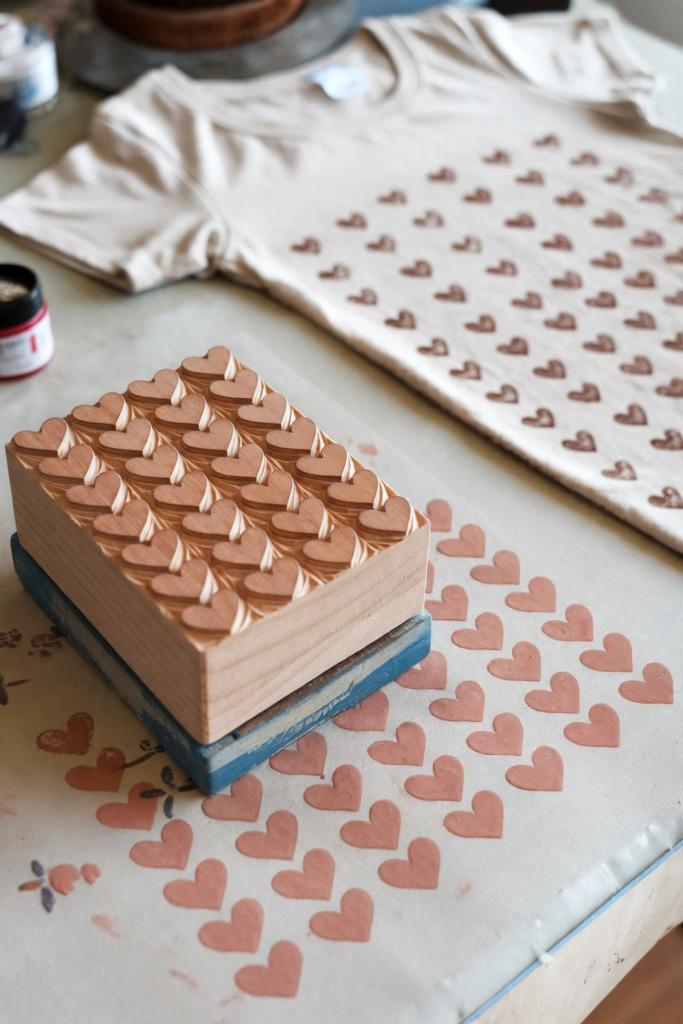
23. Try Block Printing
Block printing lets you create repeated designs on paper or fabric.
A beginner project could be as simple as printing a small botanical shape onto:
- Gift wrap
- Cards
- Fabric
- Notebook covers
- Paper tags
Start with a simple design rather than an intricate illustration.
Best for: DIY stationery and textile projects.
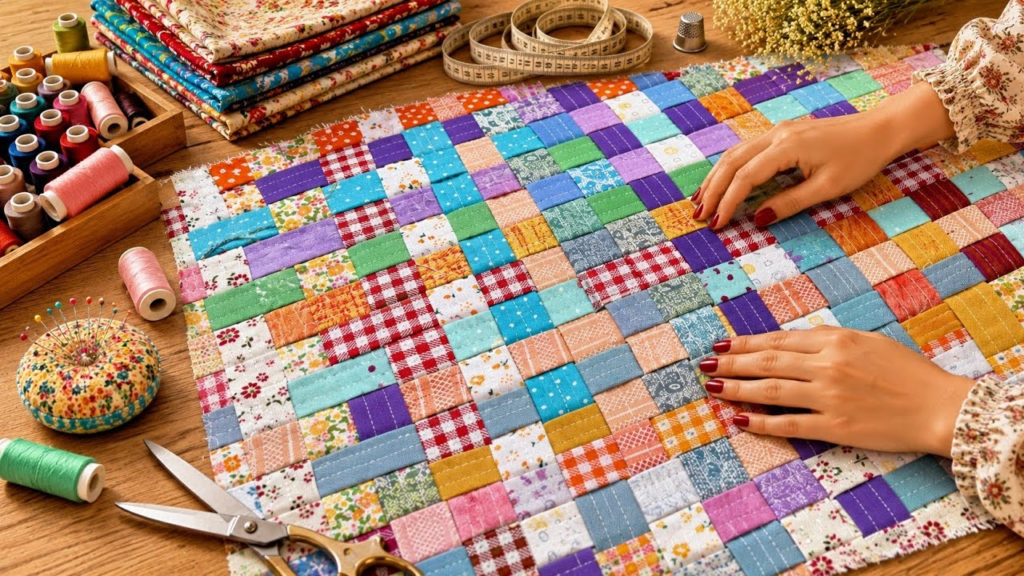
24. Make a Small Quilt or Fabric Patchwork
You don’t have to start with a full-size quilt.
Make a small patchwork project from fabric scraps instead. A few coordinated pieces can become a coaster, pouch, pillow front, wall hanging, or other small textile project.
Patchwork also gives you a chance to experiment with color and pattern without buying a large amount of fabric.
Best for: Fabric lovers and patient crafters.
25. Make a Decorative Wax Craft
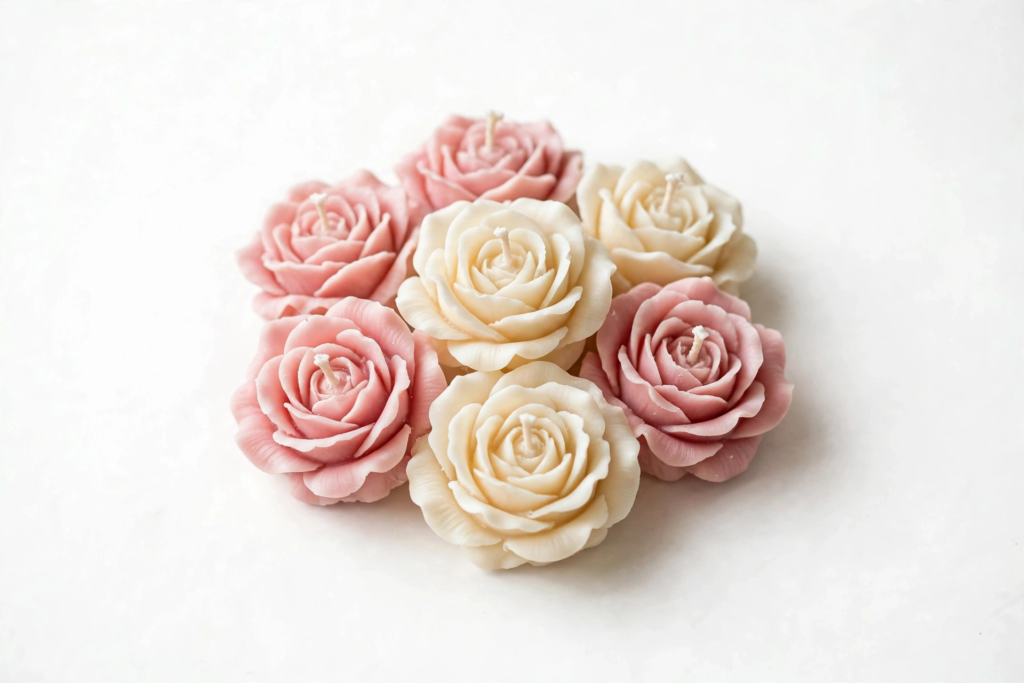
If you like home accessories, wax-based crafts can become a natural extension of your decor hobby.
Depending on the project, you can make decorative wax objects or candles using appropriate molds, wax, and equipment.
Follow the manufacturer’s safety instructions carefully, particularly when working with heated wax.
Best for: Home-decor enthusiasts who want a finished object they can display.
What Are Some Good Analog Hobbies?
Good analog hobbies are the ones that are easy enough to start and interesting enough to keep your hands occupied.
For:
Creative beginners, good starting points include:
- Coloring
- Collage
- Junk journaling
- Watercolor
- Simple embroidery
- Beading
People who want to make something useful, try:
- Hand sewing
- Visible mending
- Crochet
- Quilting
- Block printing
Home-decor lovers, consider:
- Air-dry clay
- Macramé
- String art
- Pressed-flower art
- Miniatures
- Punch needle
And if you want something extremely inexpensive, start with paper crafts before buying a large collection of supplies.
What Are Some Cool Hobbies to Do Instead of Scrolling?
A good replacement for scrolling doesn’t have to be impressive. It needs to be available when you’re most likely to reach for your phone.
If you :
Usually scroll on the couch, keep crochet, embroidery, coloring, or hand sewing nearby.
Scroll at your desk, keep a small journal, lettering pad, bead kit, or paper-craft box within reach.
Scroll because you’re bored, choose a project with a visible result, such as a small clay dish or handmade bookmark.
And if you’re too tired for a complicated craft, choose something that can be done in short sessions. Reddit discussions about replacing scrolling repeatedly highlight this practical issue: people often need activities that are genuinely easy to start when they are already tired.
What Is the Hottest Craft Right Now for Adults?
There isn’t one universally established “hottest” adult craft.
Current 2026 craft coverage points toward several overlapping trends, including junk journaling, needlepoint, sewing, crochet, embroidery, visible mending, handmade charms, and craft-centered social activities.
The bigger pattern is a move toward crafts that feel personal, tactile, imperfect, and skill-based.
That makes the question less about finding one winning craft and more about finding the type of making you actually enjoy.
How to Make Analog Crafts Easier to Start
The biggest mistake is creating a hobby that requires more preparation than scrolling.
Instead, make your craft easier to reach.
Keep one project visible
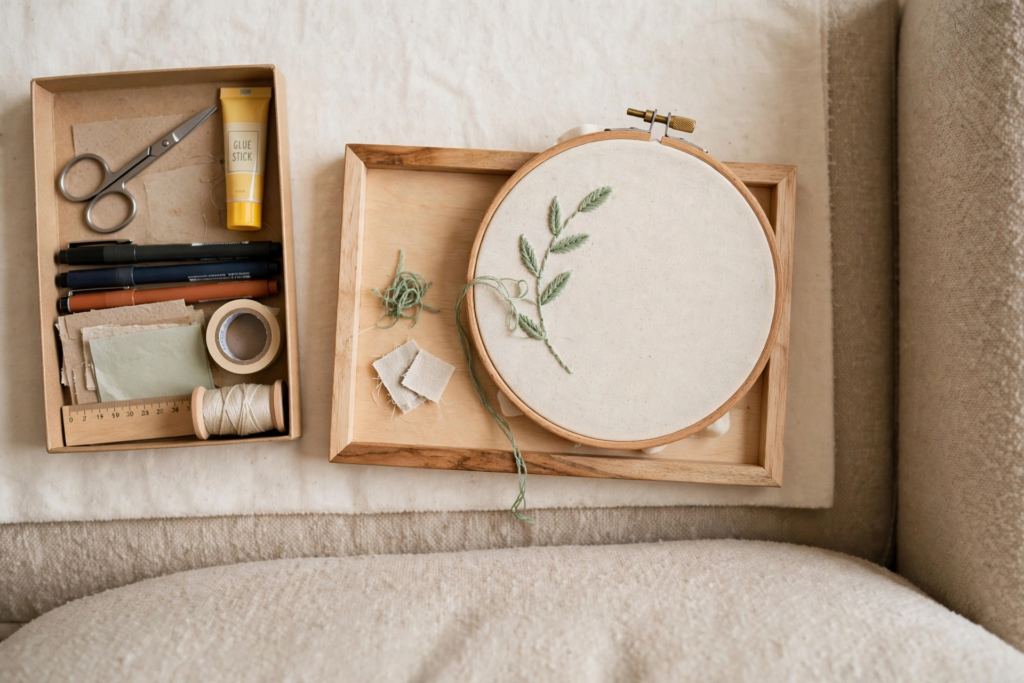
A half-finished embroidery hoop on a small tray is easier to pick up than supplies hidden inside three storage boxes.
Create a small craft box
Keep your basics together:
- Scissors
- Glue
- Pens
- Scrap paper
- Tape
- Thread
- A small ruler
Then add specialized supplies only when you find a craft you genuinely enjoy.
Start with ten minutes
Don’t tell yourself that you need an entire free afternoon.
Ten minutes is enough to add one journal page, stitch part of a design, color a section, or make a few rows of crochet.
Choose crafts based on your energy
Low energy: coloring, collage, journaling, simple embroidery
Medium energy: crochet, beading, paper crafts, watercolor
High energy: sewing, clay, quilting, miniature projects
This matters because an activity that sounds wonderful on paper won’t replace scrolling if it’s too demanding when you actually need it.
Don’t buy the whole hobby at once
You don’t need every tool associated with a craft before you’ve made your first project.
Try the smallest version first. If you enjoy it, build your supplies gradually.
Build an Analog Craft Corner at Home
You don’t need a dedicated craft room.
A small basket, drawer, shelf, or rolling cart can become your analog craft station.
For a Home & Decor-friendly setup, keep the area visually simple:
- One attractive storage basket
- A small work surface
- A container for scissors and tools
- Jars for beads or buttons
- A tray for an unfinished project
- A small lamp for detailed work
The goal isn’t to create a picture-perfect craft room. It’s to make your favorite offline activity more convenient than opening another app.
The Best Analog Craft Is the One You’ll Actually Pick Up
Analog living doesn’t require abandoning technology or turning your home into a museum of old-fashioned hobbies.
The useful idea is much simpler: when you notice yourself reaching for your phone automatically, have something physical nearby that you genuinely want to do.
That might be five minutes of coloring, a few embroidery stitches, a page in your junk journal, a small clay project, or the next row of a crochet piece.
Start with one craft. Keep it visible. Make the first project small.
You may discover that the most satisfying part isn’t simply spending less time scrolling. It’s ending the evening with something you made.
If you want more inspiration for spending less time on screens, explore the American Library Association’s guide to analog living for more screen-free ideas and offline activities.
FAQs
What is an analog craft?
An analog craft is a hands-on creative activity using physical materials such as paper, fabric, yarn, thread, clay, beads, paint, or wood instead of relying on a digital device.
What are some good analog hobbies?
Good beginner options include junk journaling, embroidery, crochet, watercolor, coloring, collage, hand sewing, beading, air-dry clay, and paper crafts.
What can I do instead of scrolling?
If you want a creative alternative, try a craft that matches your available time and energy. Coloring, embroidery, journaling, crochet, collage, and simple paper crafts can all be started in short sessions.
Are analog hobbies expensive?
Not necessarily. Paper crafts, coloring, simple hand sewing, origami, and some journaling projects can be started with inexpensive supplies or materials you already have.
What is the best craft for beginners?
There isn’t one best craft for everyone. Coloring and collage require very little technique, while embroidery, crochet, and hand sewing can be good choices if you want to develop a practical skill.
What craft is trending in 2026?
Current craft coverage highlights several areas rather than one universal winner, including junk journaling, needlepoint, sewing, crochet, embroidery, visible mending, and personalized handmade projects.
What is an analog hobby?
An analog hobby is an offline pastime centered on physical materials or real-world activity rather than digital entertainment. Examples include crafting, reading physical books, gardening, playing an instrument, and working with paper or textiles.
How do I make myself stop scrolling?
Instead of relying only on willpower, prepare an appealing offline activity before the moment when you usually scroll. Keeping a craft project visible and easy to start can remove some of the friction involved in choosing what to do next. Community discussions about reducing scrolling frequently emphasize having a concrete replacement activity ready.