If you’ve ever thought you’re “not creative enough” to make something by hand, you’re not alone. The good news is that crafts for people who arent artistic don’t require perfect drawing skills or natural artistic talent. Many beginner-friendly projects rely on patterns, stencils, simple materials, repetition, or easy step-by-step instructions, making them much less intimidating. […]
Share This Article:
If you’ve ever thought you’re “not creative enough” to make something by hand, you’re not alone. The good news is that crafts for people who arent artistic don’t require perfect drawing skills or natural artistic talent. Many beginner-friendly projects rely on patterns, stencils, simple materials, repetition, or easy step-by-step instructions, making them much less intimidating.
Think you are not creative enough to craft something beautiful? There is probably a craft for you.
The best crafts for people such as you are the ones that do not require an artistic person. They may require patterns, stencils, shapes, templates, repetition, or ready-made items instead of requiring you to draw pictures, design unique items, or use a paint brush like you have seen in elementary school.
If you are total beginner at these crafts then you should attempt an easy project, but not the absolute easiest. You should find a project that gives you guidelines so that you can go from start to finish. Below are some ideas you can use to make one of your own.
If you prefer quick projects, check out 20 Crafts You Can Finish in One Hourfor more simple ideas that are perfect for a short crafting session.
What Makes a Craft Good for Someone Who Isn’t Artistic?
A beginner-friendly craft should not make you stare at a blank page wondering what to create.
Look for projects that:
Follow a pattern or template
Use simple shapes or repeated steps
Let you decorate an existing object
Don’t require freehand drawing
Have easy-to-follow instructions
Use a small number of supplies
Allow mistakes without ruining the entire project
Produce something useful or decorative
You also don’t have to make every creative decision yourself. Stencils, paint-by-number designs, embroidery patterns, transfer designs, molds, and simple templates can take much of the guesswork out of crafting.
The goal isn’t to prove that you’re artistic. It’s to find a project you actually enjoy making.
If you enjoy simple projects without sewing, check out 20 No-Sew DIY Crafts for Adultsfor more easy ideas you can make at home.
25 Crafts for People Who Aren’t Artistic
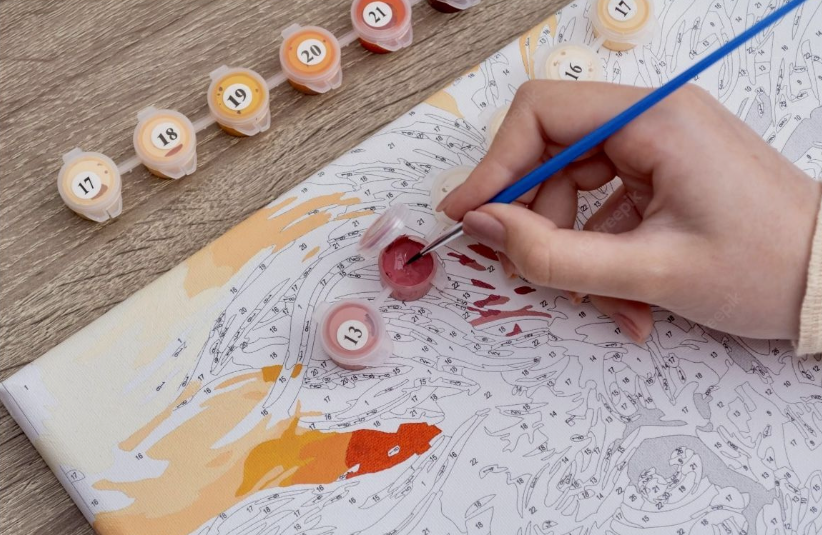
1. Paint-by-Number Art: Crafts for People Who Arent Artistic
If the thought of painting a blank canvas terrifies you, then a paint by number kit is for you.
Rather than trying to paint something beautiful, you just have to match numbers with colors.
This makes it a great option for someone who likes to paint, but isn’t quite ready to create their own masterpiece.
Reason for being a good option for a beginner: It’s already created for you
Try picking a smaller and less detailed picture to start with.
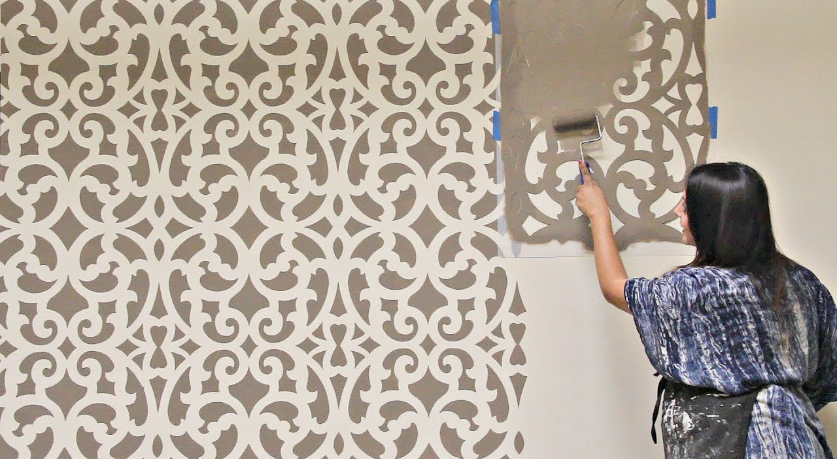
2.Stencil Wall Art: Crafts for People Who Arent Artistic
You don’t need to draw your own design to create attractive wall art.
Start with a plain canvas, piece of cardstock, or inexpensive wood surface. Use a stencil to create geometric shapes, leaves, arches, flowers, or simple lettering.
For a polished home-decor look, try a limited palette such as:
Cream + black
White + sage green
Beige + terracotta
Navy + white
Why it’s beginner-friendly: The stencil handles the difficult part of creating clean shapes.
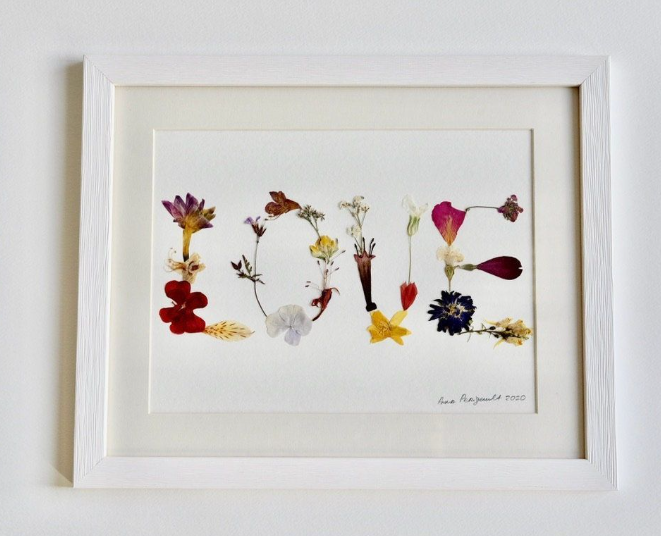
3.Pressed Flower Frames: Crafts for People Who Arent Artistic
Pressed flower art may seem fragile and intricate, but the design can be exceedingly simple.
Place a few dried or pressed flowers on a piece of paper and put it in a glass frame. You can make a minimalist composition instead of trying to make a complicated botanical arrangement.
Reason it’s good for a beginner: Nature provides most of the visual detail.
Home-decor suggestion: A white, natural-wood, or black frame can give the finished piece a more finished look.
If you enjoy giving old items a new purpose, check out 30 Easy Upcycling Crafts for Beginners to Try at Home for simple projects you can make with everyday materials.
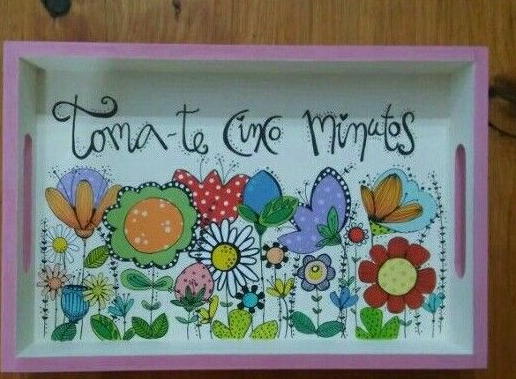
4.Decoupage Trays: Crafts for People Who Arent Artistic
Decoupage is a great option if you want a decorative project without having to paint a picture.
Start with a plain wooden tray or an existing tray that needs a refresh. Add decorative paper or napkins using decoupage medium, then seal the surface according to the product instructions.
Choose a simple botanical, floral, vintage, or geometric pattern.
Why it’s beginner-friendly: You’re applying an existing design rather than creating one yourself.
The finished tray can be useful for coffee-table styling, bedside storage, or small decorative items.
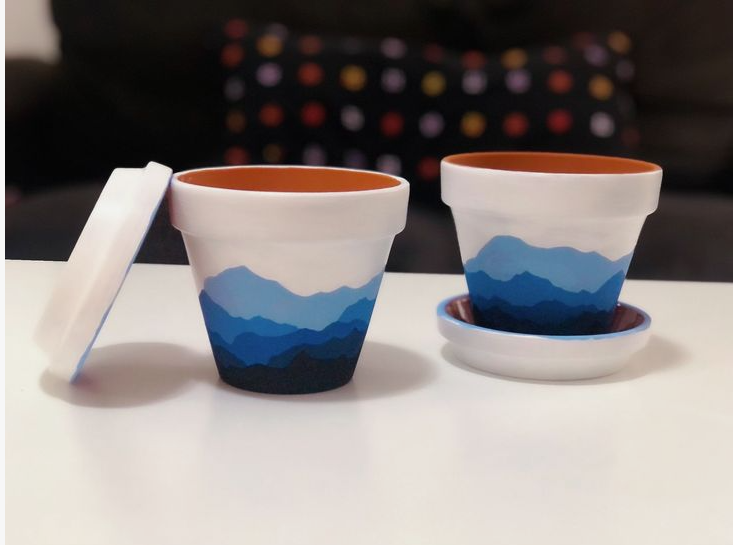
5.Painted Terracotta Pots: Crafts for People Who Arent Artistic
A plain terracotta pot gives you a small surface to experiment with, so you don’t have to commit to a large artwork.
If freehand painting isn’t your strength, use:
Painter’s tape
Stencils
Simple dots
Horizontal stripes
Two-tone color blocking
Easy color idea: Try a warm neutral pot with a cream stripe for a simple home-decor look.
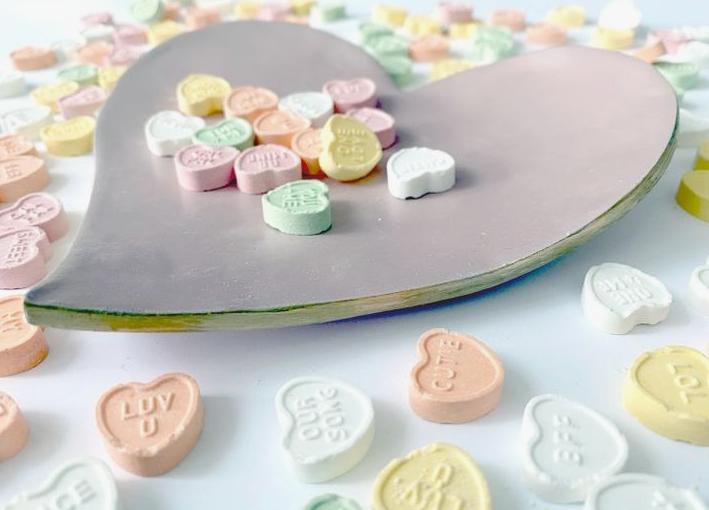
6.Air-Dry Clay Trinket Dishes: Crafts for People Who Arent Artistic
You don’t need a pottery wheel to make a small clay dish.
With air-dry clay, you can shape a basic shallow dish by hand, allow it to dry according to the product instructions, and decorate it afterward if desired.
Don’t worry about making the edges perfectly symmetrical. Slightly irregular shapes can give handmade pieces a relaxed look.
Use your finished dish for:
Rings
Earrings
Keys
Hair clips
Small desk items
Why it’s beginner-friendly: You can focus on shaping rather than drawing or painting.
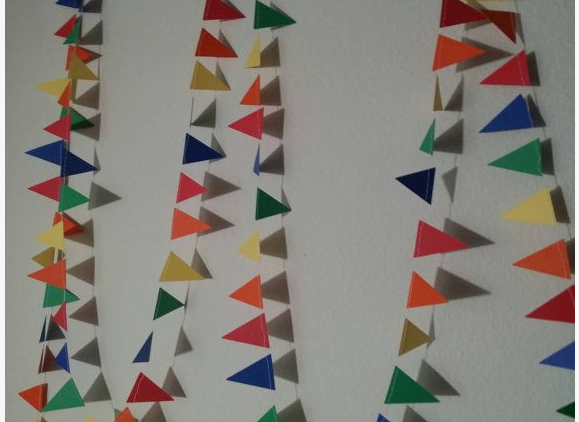
7. Paper Garlands: Crafts for People Who Arent Artistic
Paper garlands are one of the easiest ways to create simple DIY decor without needing advanced skills.
Cut or punch repeated shapes such as:
Circles
Stars
Leaves
Hearts
Arches
Then string them together.
Why it’s beginner-friendly: Repetition does most of the design work.
For home decor, choose two or three colors that already appear in the room instead of using many unrelated colors.
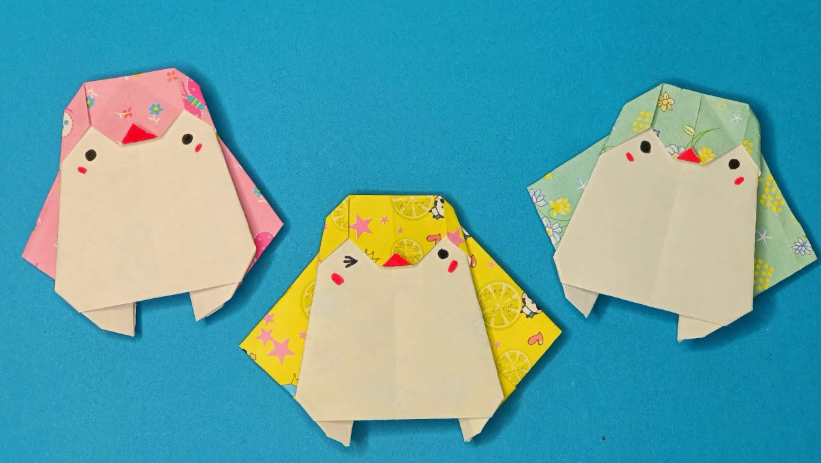
8.Origami: Crafts for People Who Arent Artistic
Origami may look complicated when you see advanced designs online, but beginner projects can involve only a few basic folds.
Start with:
Bookmarks
Simple hearts
Envelopes
Paper flowers
Easy boxes
Why it’s beginner-friendly: You follow a sequence of folds instead of inventing your own design.
If your first attempt isn’t perfect, simply unfold the paper and try again with a fresh sheet.
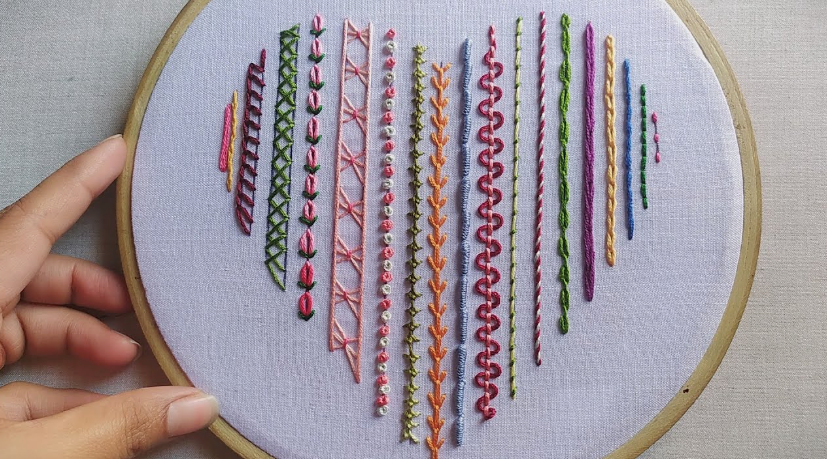
9. Embroidery With a Beginner Pattern
Embroidery is often associated with beautiful patterns, but beginners need not worry about creating intricate designs.
Pick a simple embroidery pattern and learn a few basic stitches. Start small and work your way up to more complex patterns. You can try a small flower, leaf, star, word, or geometry shape.
Reasons why this is a great project for a beginner:
You are working off of a design, not having to sketch or draw anything out.
You can start with a simple small hoop, instead of a big hoop that will take forever to finish.
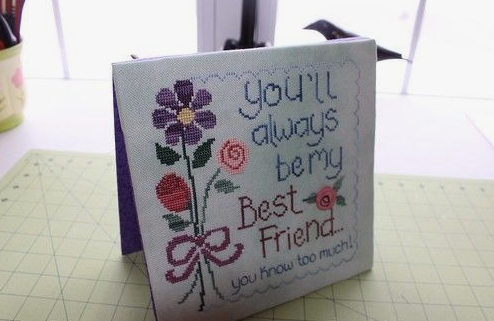
10. Cross-Stitch: Crafts for People Who Arent Artistic
If you like following instructions, cross-stitch can be an excellent beginner craft.
A pattern tells you where each stitch belongs, so you don’t have to decide what the finished design should look like.
Start with a small pattern featuring:
A heart
A flower
A simple phrase
A geometric shape
A tiny landscape
Why it’s beginner-friendly: The grid provides structure and makes the process predictable.
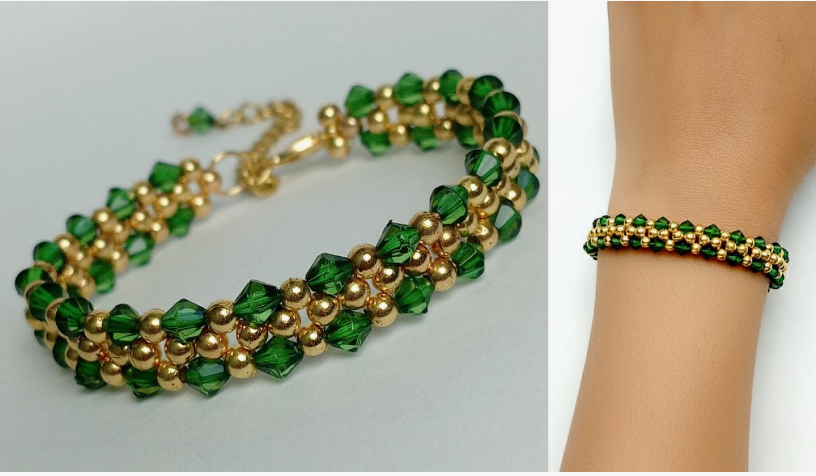
11. Beaded Bracelets: Crafts for People Who Arent Artistic
Beaded jewelry can look intricate without requiring advanced artistic skills.
Choose a simple color palette and string beads in a repeating pattern. You can keep the design extremely simple with two or three colors.
Why it’s beginner-friendly: Repetition creates the design.
If you’re making jewelry for yourself, try colors that coordinate with clothes or accessories you already own.
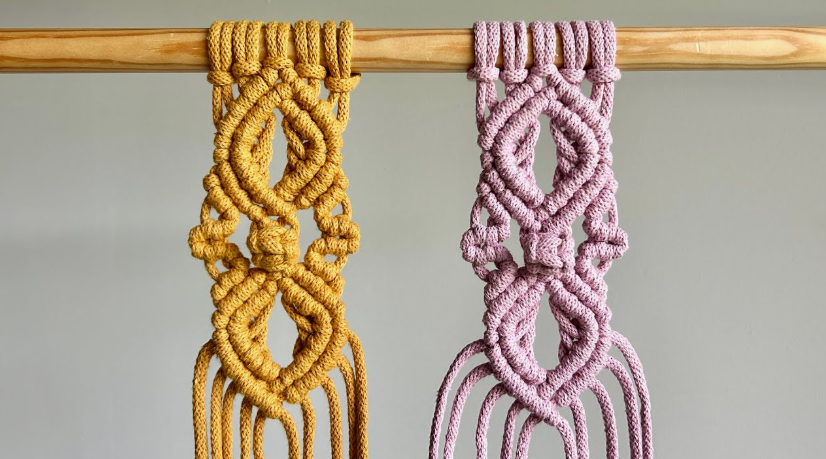
12.Simple Macramé: Crafts for People Who Arent Artistic
Macramé can be another good option if you prefer following repeated instructions instead of creating artwork.
Start with a small project such as:
Keychain
Plant hanger
Wall hanging
Coaster
Simple decoration
Why it’s beginner-friendly: Once you learn a basic knot, you can repeat it throughout the project.
A small macramé project also lets you practice without buying a large amount of cord.
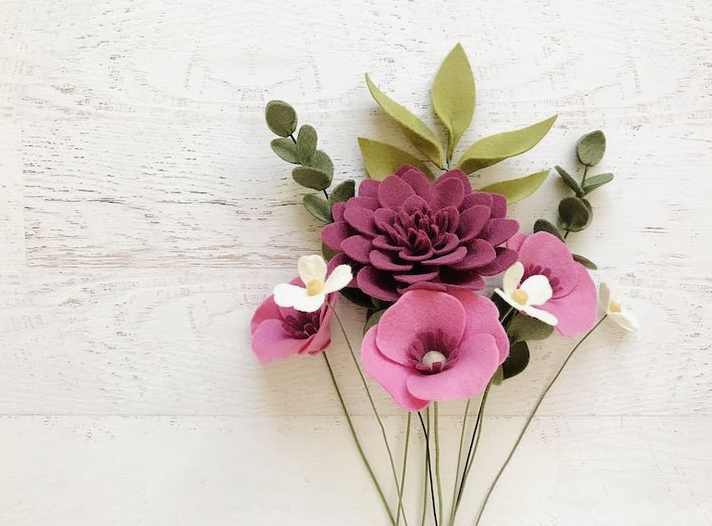
13. Felt Flower Arrangements: Crafts for People Who Arent Artistic
Felt flowers are useful when you want the look of a floral arrangement without having to paint or draw flowers.
Cut simple petal shapes using a template, assemble them, and arrange several flowers together.
Why it’s beginner-friendly: A template gives you consistent shapes.
Try using different shades of one color for a more coordinated arrangement.
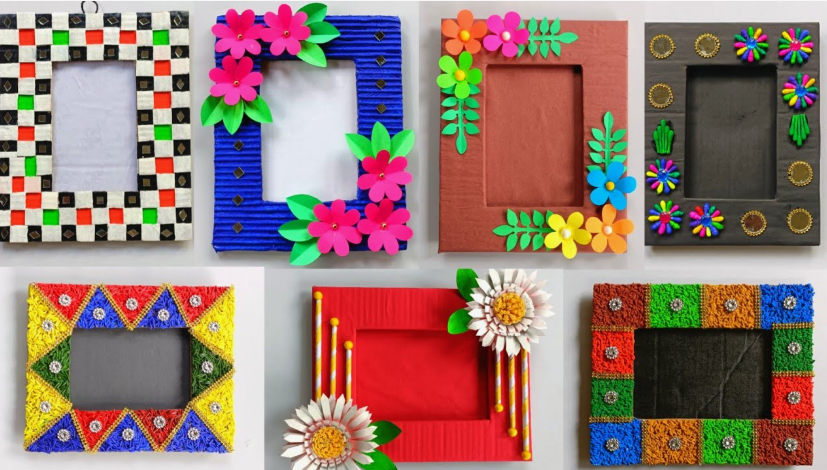
14. Decorated Picture Frames: Crafts for People Who Arent Artistic
Instead of creating artwork from scratch, transform something you already know how to use.
Take a plain picture frame and decorate it with:
Ribbon
Small wooden shapes
Paper
Pressed flowers
Paint
Decorative trim
Why it’s beginner-friendly: The frame already provides the structure.
For a subtle home-decor result, don’t cover every inch. A simple border or a few decorative accents can be enough.
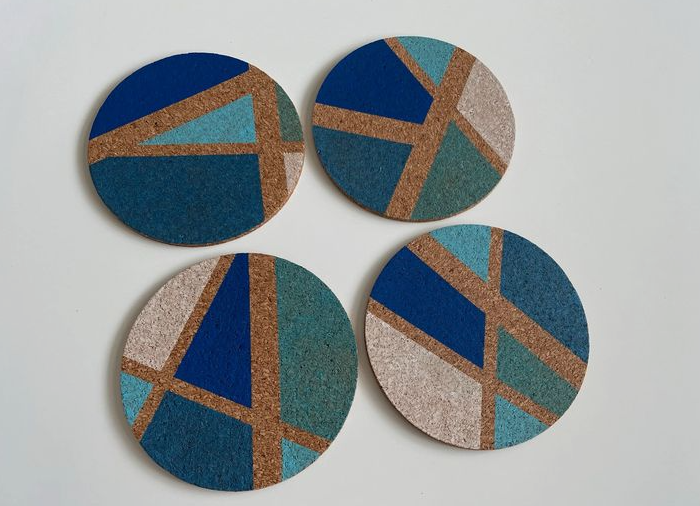
15. DIY Coasters: Crafts for People Who Arent Artistic
Coasters are a particularly good choice if you want your craft to serve a purpose.
You can decorate blank wooden, cork, or tile coasters using:
Stencils
Paint
Decoupage
Simple geometric patterns
Pressed-paper designs
Why it’s beginner-friendly: Each coaster is a small, manageable canvas.
You can also experiment on one coaster first instead of committing an entire set.
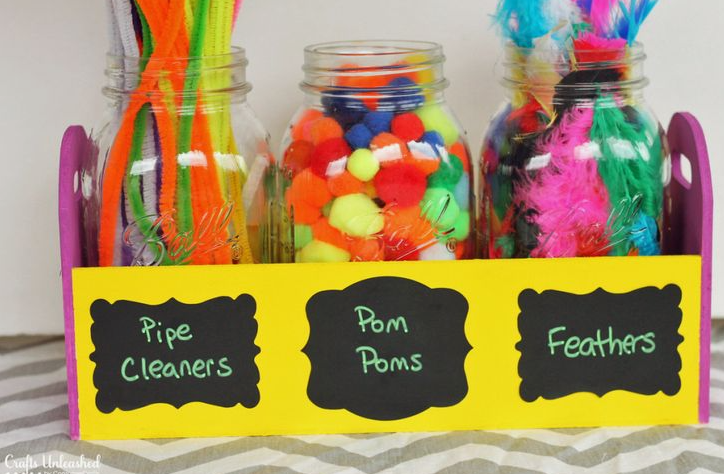
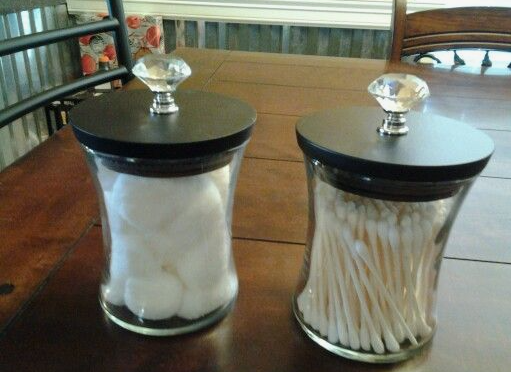
16. Mason Jar Organizers: Crafts for People Who Arent Artistic
Turn an ordinary jar into useful storage for your desk, bathroom, craft supplies, or kitchen.
You can leave the glass plain or add a simple label, ribbon, paint, or decorative paper.
Why it’s beginner-friendly: The jar does most of the work. You’re decorating an existing container rather than building something from scratch.
For a cohesive look, use the same labels or colors on several jars.
17. No-Sew Fabric Projects: Crafts for People Who Arent Artistic
If sewing intimidates you, don’t automatically rule out fabric crafts.
Try no-sew DIY projects using fabric glue or another appropriate no-sew method.
Simple options include:
Fabric-wrapped containers
Decorative banners
Simple organizers
Fabric-covered boards
Easy table accents
Why it’s beginner-friendly: You can work with fabric without learning a sewing machine or complicated stitches.
Always follow the instructions for the adhesive or material you’re using.
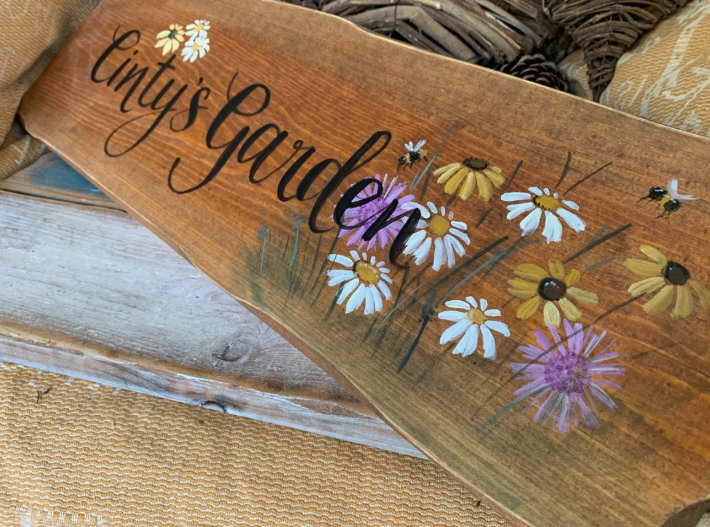
18. Painted Wooden Signs
You don’t need beautiful handwriting to make a wooden sign.
Use:
Letter stencils
Transfer paper
Pre-cut letters
Painter’s tape
Simple shapes
Choose a short word or phrase rather than a long sentence.
For home decor, neutral lettering on a natural wood background can create a simple farmhouse, rustic, or modern look depending on the rest of your styling.
Why it’s beginner-friendly: Templates and stencils remove the pressure of freehand lettering.
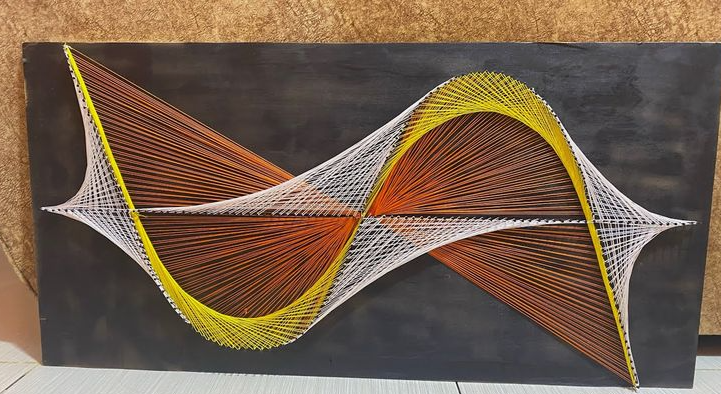
19. String Art
String art looks complicated because the finished designs can be detailed, but beginner versions can be surprisingly structured.
Start with a simple shape such as:
Heart
Star
Initial
Leaf
Geometric outline
Use a template to position the nails or pins rather than guessing where they should go.
Why it’s beginner-friendly: The template determines the shape, while the repeated string pattern creates the finished design.
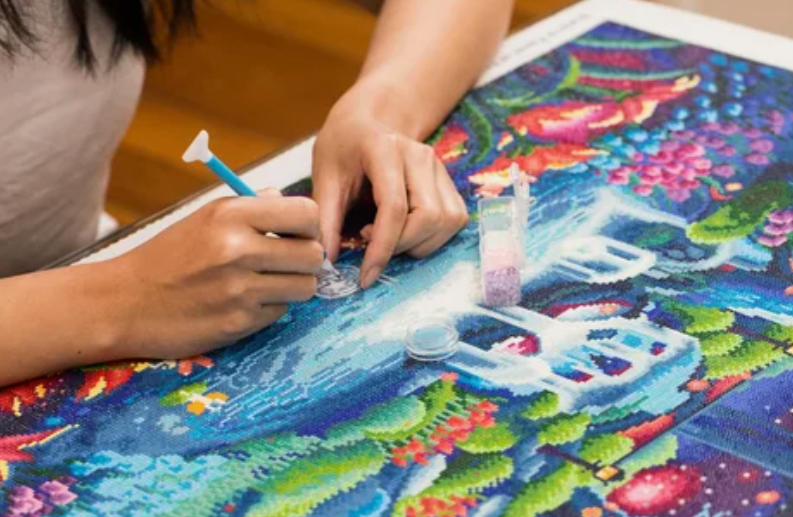
20. Diamond Painting
If you like repetitive activities and want a very structured project, diamond painting can be a good choice.
The design is already printed, and you place the small pieces according to the corresponding sections.
Why it’s beginner-friendly: You aren’t required to draw, paint, or invent a composition.
It can also be a good choice for someone who enjoys completing projects one small section at a time.
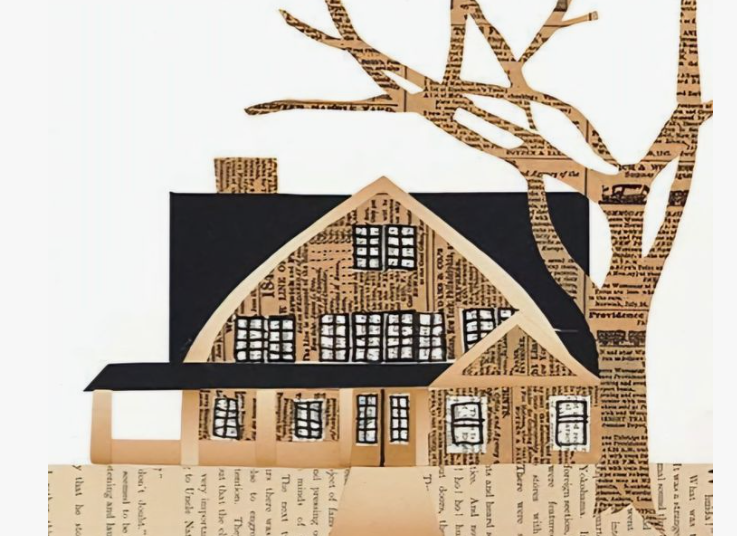
21. Collage Art
Collage is perfect if you like choosing images but don’t want to draw.
Gather pictures, patterned paper, magazine pages, old calendars, or other suitable paper materials. Arrange them into a simple composition and attach them to cardstock or another surface.
Why it’s beginner-friendly: You can rearrange the pieces until you like the layout.
If you’re unsure where to begin, choose a theme such as:
Flowers
Travel
Nature
Neutral interiors
Fashion
Favorite colors
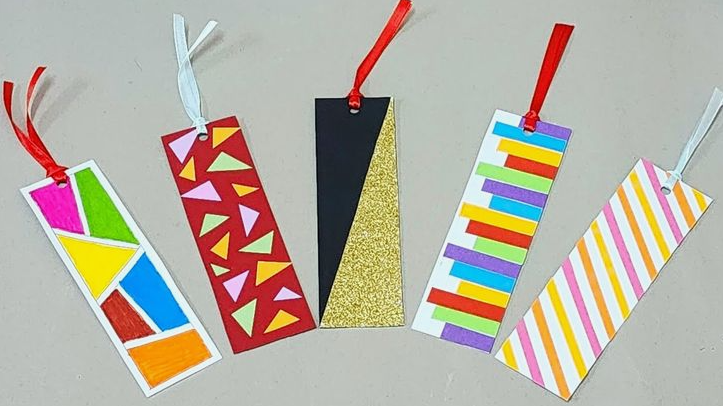
22. Handmade Bookmarks
A bookmark is small enough that mistakes don’t feel like a big deal.
Start with cardstock and decorate it using:
Washi tape
Stamps
Pressed flowers
Stickers
Simple paper shapes
Ribbon
Why it’s beginner-friendly: The project is small, inexpensive, and easy to personalize without requiring drawing skills.
You can also make several variations from the same basic design.
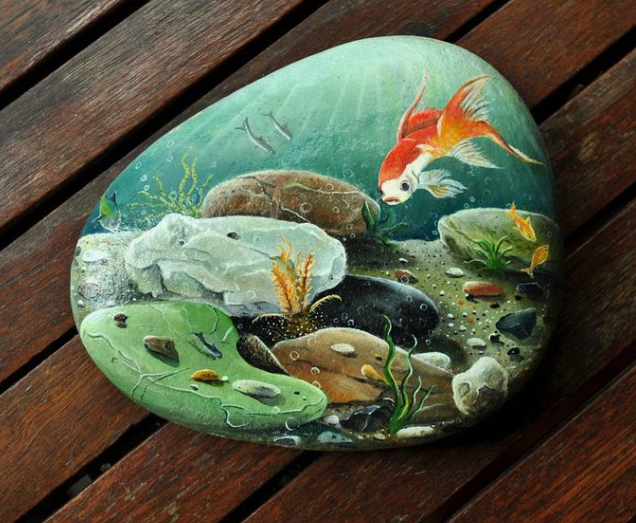
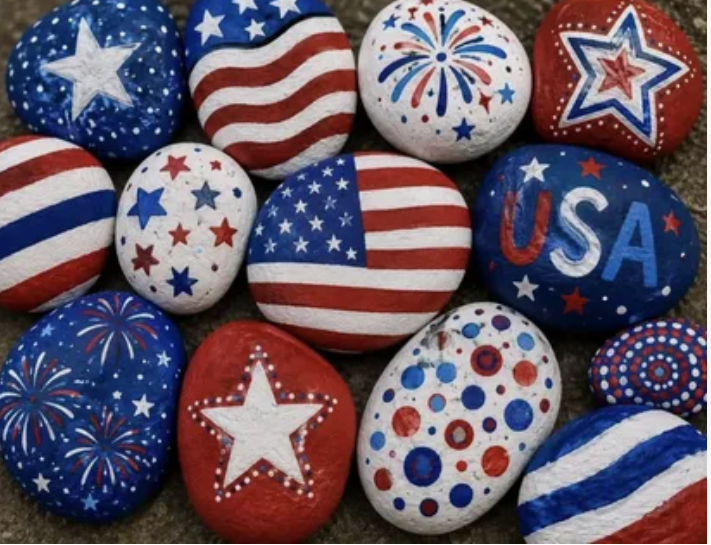
23. Painted Rocks
If you want a very low-commitment painting project, try small rocks.
Instead of attempting a realistic picture, use:
Dots
Stripes
Simple flowers
Mushrooms
Hearts
Abstract shapes
Short words
Why it’s beginner-friendly: The small surface keeps the project manageable.
If you don’t like the result, you can simply try another rock with a different pattern.
24. Upcycled Candle Jars
Before throwing away an attractive empty candle container, consider giving it another purpose.
Once the container has been safely cleaned and prepared, it can become a small holder for:
Makeup brushes
Pens
Cotton pads
Hair accessories
Craft supplies
Add a simple label, ribbon, or decorative paper if desired.
Why it’s beginner-friendly: You’re transforming an existing object rather than making something from raw materials.
This is also a simple way to bring upcycling into your home decor.
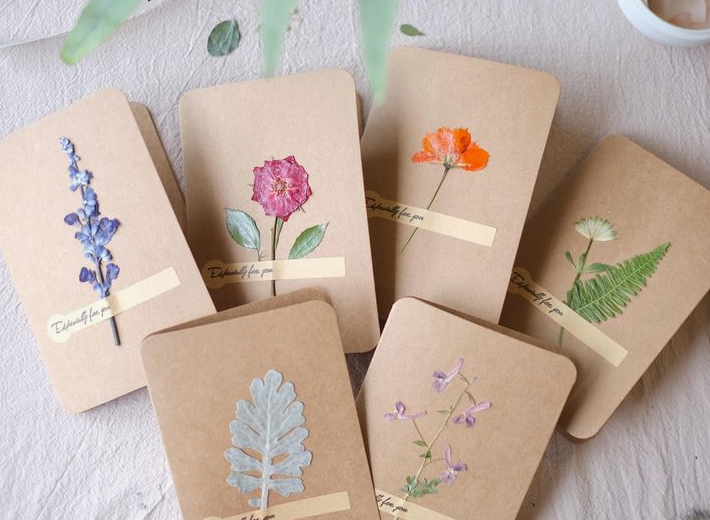
25. Simple Pressed-Flower Cards
You don’t need elaborate drawing skills to make a beautiful handmade card.
Use cardstock, pressed flowers, and a simple arrangement. You can add a short handwritten message or use a printed sentiment if you prefer.
Why it’s beginner-friendly: The flowers provide the visual interest.
For a more polished result, leave plenty of empty space around the flowers instead of filling the entire card.
How to Choose Your First Craft
If you’re feeling overwhelmed by 25 choices, don’t start with the craft that looks the most impressive.
Start with the one that feels least intimidating.
If you don’t want to draw:
Try paint-by-number, cross-stitch, embroidery, diamond painting, or stencils.
If you don’t want to sew:
Try air-dry clay, paper crafts, decoupage, painted pots, or pressed flowers.
If you want something useful:
Try coasters, organizers, trinket dishes, picture frames, or bookmarks.
If you want inexpensive supplies:
Try paper crafts, collage, origami, bookmarks, or upcycled jars.
Try cross-stitch, embroidery, beading, macramé, or diamond painting.
Tips for Crafting When You Don’t Feel Artistic
Start With a Pattern
A pattern gives you a roadmap. Instead of deciding what to create at every stage, you simply work through the instructions.
This can make the first project feel much less intimidating.
Keep Your First Project Small
Don’t begin with a huge canvas, complicated wall hanging, or project that requires dozens of materials.
A small project gives you a chance to learn the basic technique without investing too much time or money.
Use Templates and Stencils
There’s nothing wrong with using a template.
Templates aren’t cheating—they’re a practical way to learn how a design is constructed before you eventually create your own.
Limit Your Color Choices
If choosing colors makes you nervous, use a simple rule:
Pick one main color + one neutral + one optional accent.
For example:
Sage + cream + brown
Navy + white + gold
Terracotta + beige + olive
Black + white + one accent color
A limited palette can also make handmade decor look more coordinated.
Follow the Tutorial Before Experimenting
For your first attempt, don’t worry about adding your own twist.
Follow the basic instructions first. Once you’ve made one successfully, you can change the colors, materials, size, or design.
Don’t Compare Your First Project With Someone Else’s Tenth
Online craft photos often show the polished finished result.
Your first attempt is supposed to be a learning experience.
A slightly uneven flower or imperfect stitch doesn’t mean you’re bad at crafting. It means you’ve started learning a physical skill.
Common Mistakes Beginners Should Avoid
Buying too many supplies
You don’t need an entire craft room before you’ve found a craft you enjoy.
Start with one project and buy only what you need.
Choosing a project because it looks impressive
A complicated project isn’t automatically more rewarding.
Your first goal should be finishing something, not impressing anyone.
Starting with freehand artwork
If drawing is the part that makes you uncomfortable, choose a project that removes drawing from the equation.
Use a stencil, template, pattern, transfer, or pre-printed design.
Making the project too large
Large projects take longer and give you more opportunities to become frustrated.
Start small.
Expecting perfection
Crafting isn’t a test of artistic talent.
It’s a process of learning how materials behave, following steps, and gradually developing confidence.
Final Thoughts
You don’t have to consider yourself artistic to enjoy crafting.
The best crafts for people who aren’t artistic are often the ones that give you enough structure to get started without taking away the fun of making something yourself.
If you’re completely new, try paint-by-number, stenciled art, pressed flowers, simple clay dishes, bookmarks, or decorated frames first. Once you’re comfortable following a few basic steps, you can experiment with embroidery, macramé, beading, upcycling, or other techniques.
And remember: you don’t have to create something perfect. You just need a project simple enough that you’re willing to begin.
If you want more beginner-friendly ideas, check out these no-sew fabric projects from Mod Podge Rocks, which include a variety of simple projects made without sewing.
FAQs
What crafts are good for people who aren’t artistic?
Pattern-based and structured crafts are usually good starting points. Paint-by-number, cross-stitch, embroidery patterns, stencils, origami, diamond painting, pressed flowers, and simple clay projects allow you to follow clear steps instead of creating artwork from scratch.
Can you craft if you’re not creative?
Yes. Many crafts rely more on following instructions, repeating techniques, arranging materials, or decorating existing objects than on drawing or painting ability. Starting with a structured project can make crafting feel much less intimidating.
What is the easiest craft for a beginner?
There isn’t one universal easiest craft, but paint-by-number, simple paper crafts, bookmarks, pressed-flower projects, and stenciled designs are approachable starting points because they require relatively little freehand creativity.
What craft is good for someone who can’t draw?
Try paint-by-number, cross-stitch, diamond painting, stenciling, decoupage, collage, or pressed-flower art. These crafts provide a design, pattern, or existing material that reduces the need for drawing.
What crafts are hard to mess up?
Projects based on repetition or templates tend to be more forgiving. Simple beading, paper garlands, collage, pressed flowers, painted geometric designs, and basic clay dishes are examples where small imperfections can still look intentional.
What should a complete beginner buy for crafting?
Don’t buy a huge supply collection immediately. Choose one project first and purchase only its basic materials. Depending on the craft, you may need simple items such as scissors, paper, glue, paint, a small brush, clay, thread, or beads.
How can I make DIY decor if I’m not artistic?
Start with projects where the design is already provided or easy to repeat. Stencils, pressed flowers, decorated frames, decoupage, painted pots, simple clay dishes, and upcycled containers can all become attractive home accents without requiring advanced artistic skills.
Humor Craze is your destination for beauty, lifestyle, home décor, nails, and DIY inspiration. Discover simple ideas, helpful tips, and creative inspiration for everyday life.