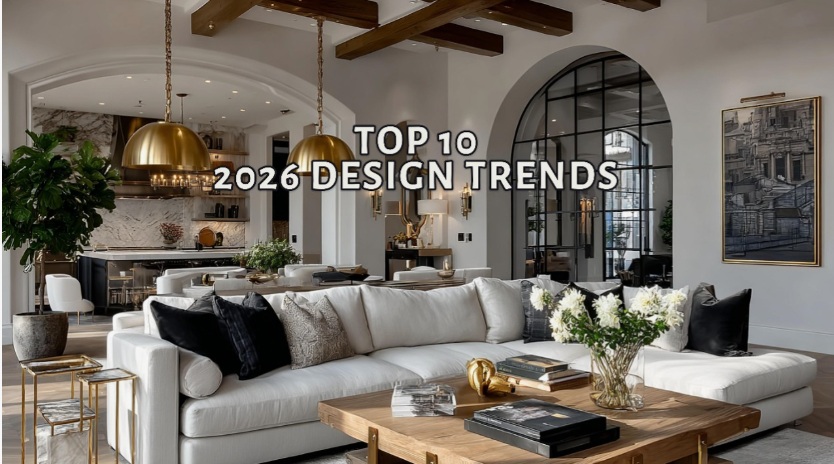
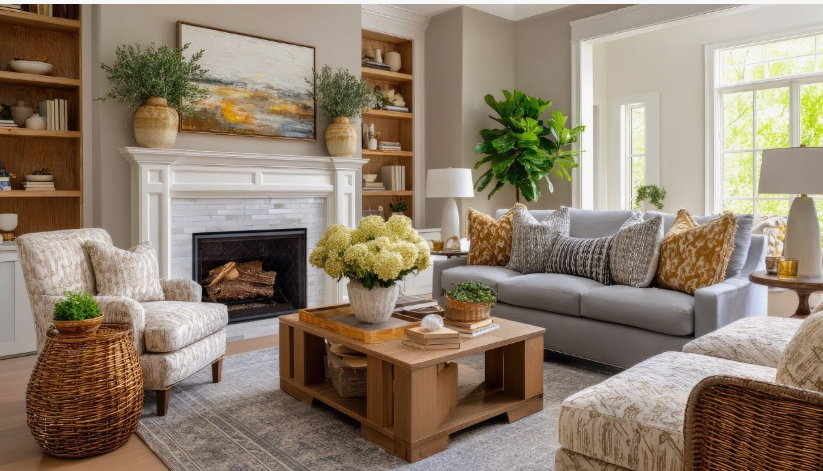
Interior design trends 2026 are moving toward homes that feel warmer, more natural, comfortable, and personal. Instead of creating spaces that look perfectly staged, homeowners are increasingly choosing rooms with character, texture, craftsmanship, and meaningful details. The biggest home decor trends 2026 are not about completely redesigning your home every few months. They are about […]
Share This Article:
Interior design trends 2026 are moving toward homes that feel warmer, more natural, comfortable, and personal. Instead of creating spaces that look perfectly staged, homeowners are increasingly choosing rooms with character, texture, craftsmanship, and meaningful details.
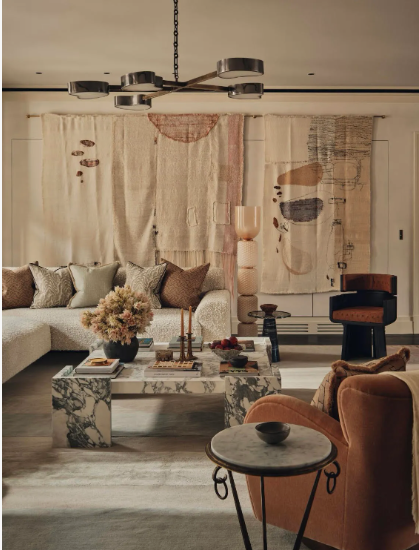
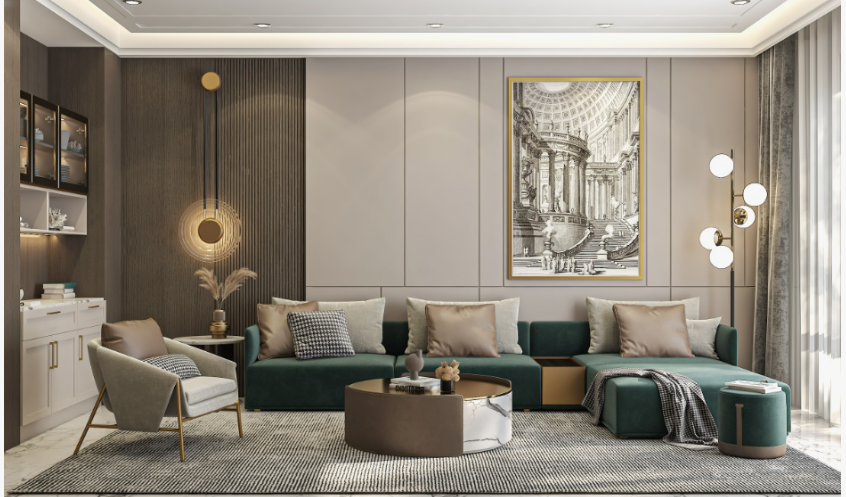
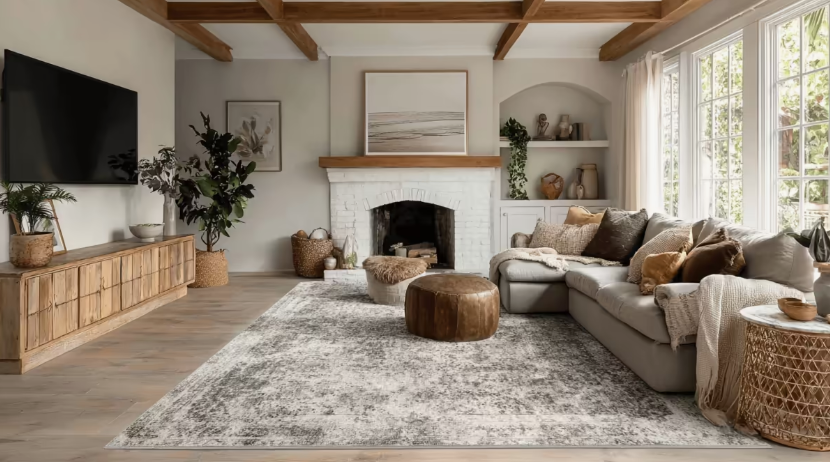
The biggest home decor trends 2026 are not about completely redesigning your home every few months. They are about making thoughtful changes that improve the way a room looks and feels. Richer wood tones, vintage furniture, organic materials, curved silhouettes, textured walls, and nature-inspired details are all helping interiors feel more inviting.
Another important shift is the growing interest in combining different influences. You do not have to choose between modern and traditional, minimal and decorative, or new and vintage. The most interesting homes often bring several ideas together while maintaining a clear sense of balance.
If you are planning a renovation, refreshing one room, or simply looking for interior design ideas, these 10 trends can help you create a home that feels current without losing its personality.
Before mixing different styles and materials, learn the essential principles of decorating in our guide [What Are the 7 Rules of Decorating?].
What Are the Biggest Interior Design Trends in 2026?
The leading interior design trends for 2026 emphasize warmth, natural materials, craftsmanship, individuality, and comfort. Rather than relying on one strict decorating style, many of these trends encourage homeowners to mix finishes, textures, furniture periods, and colors.
Here are the key trends to watch:
Modern Heritage
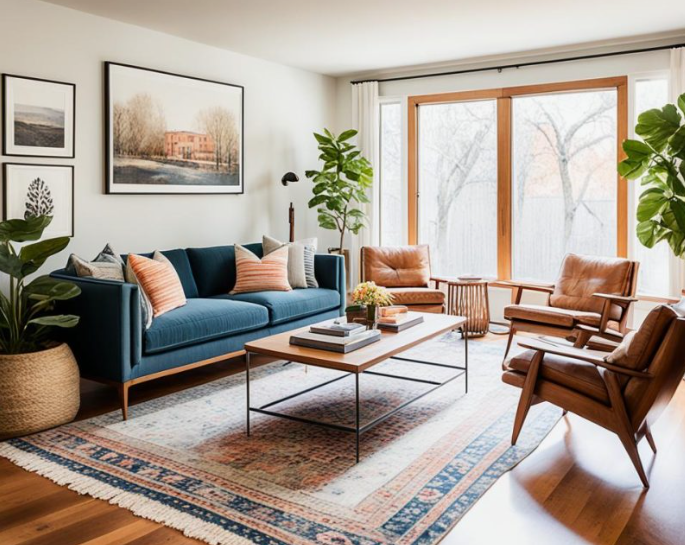
Mixed Wood Tones
Fluted and Reeded Details
Elevated Interior Doors
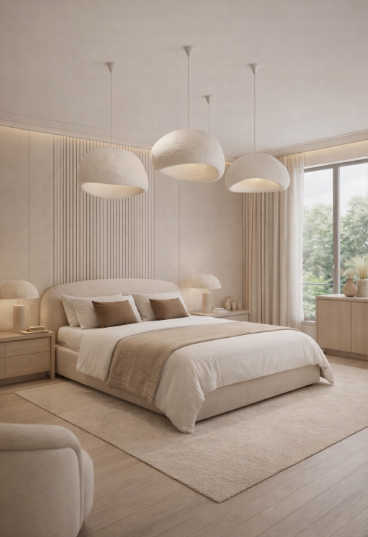
Warm Minimalism
Organic Luxe
Wallpaper Revival
Vintage Revival
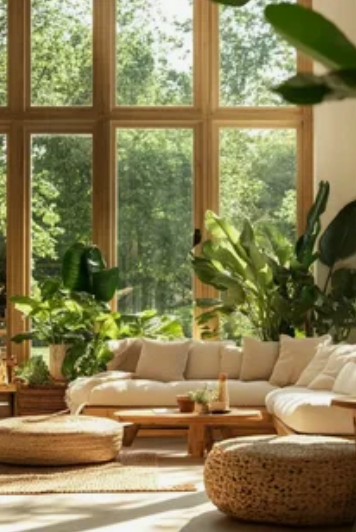
Biophilic and Nature-Inspired Design
Sculptural and Organic Forms
These trends reflect a broader movement toward interiors that feel lived-in, expressive, and connected to everyday life.
1. Interior Design Trends 2026: Modern Heritage Brings Old and New Together
Modern Heritage interior design combines traditional architectural character with contemporary comfort. Instead of recreating an old-fashioned room, the idea is to take timeless details and give them a fresh interpretation.
Think of classic architectural features alongside modern furniture, updated lighting, or simpler decorative elements.
You can introduce this look through:
Traditional wall moldings
Classic cabinetry
Rich wood finishes
Heritage-inspired doors
Contemporary lighting
Vintage accessories
Modern furniture with classic shapes
The beauty of this approach is that your home can feel established without looking dated. A traditional cabinet might sit comfortably beside a modern chair, while an antique mirror can add personality to an otherwise contemporary room.
How to Use Modern Heritage at Home
You do not need to renovate your entire house. Start with one architectural feature, such as decorative molding, a traditional-style door, or a classic piece of furniture. Then balance it with modern accessories.
This creates an interior that feels collected rather than purchased all at once.
2. Interior Design Trends 2026: Mixed Wood Tones Add Warmth and Character
One of the most useful home decor trends 2026 is the move away from perfectly matching wood finishes.
Instead of using exactly the same wood throughout a room, designers are combining light, medium, and dark finishes to create visual depth.
For example, you could pair:
Light oak flooring with walnut furniture
Medium wood cabinetry with darker accents
Natural wood furniture with painted surfaces
Different wood grains within an open-plan room
The key is not to make every wood finish identical. Instead, aim for visual harmony.
How to Mix Wood Finishes Successfully
Choose one dominant wood tone and use other finishes as supporting accents. Repeating a wood color in several areas can help connect different pieces.
For instance, a darker wooden coffee table can be echoed through a picture frame or small decorative object elsewhere in the room.
This approach is especially useful in open-plan interiors because multiple wood finishes can make large spaces feel more layered and less repetitive. The source similarly emphasizes harmonizing wood rather than forcing every finish to match.
3. Fluted and Reeded Details Make Walls More Interesting
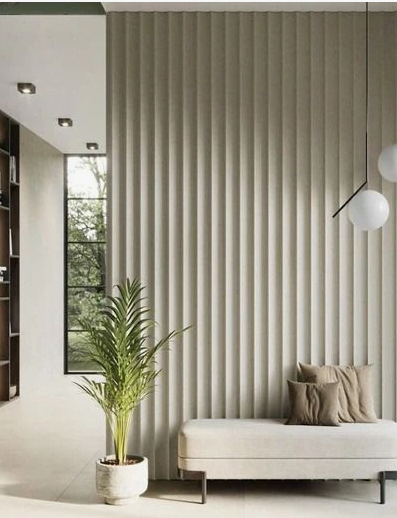
Texture is becoming increasingly important in modern interior design, and fluted or reeded surfaces are an easy way to introduce it.
In addition, these designs use repeated vertical grooves to create rhythm and shadow. Depending on the material and scale, they can look subtle or become a major architectural feature.
You can use fluted wall panels on:
Kitchen islands
TV walls
Fireplace surrounds
Bathroom vanities
Cabinet fronts
Entryway walls
Furniture
Fluting is particularly effective because light naturally interacts with the grooves. This gives a flat surface more dimension without requiring bold colors or complicated decoration.
Keep Fluted Design Balanced
If you already have several strong visual features in a room, use fluted details selectively. A single textured wall or furniture piece may be enough to create the desired effect.
For a quieter look, choose shallow grooves and natural finishes. For more impact, deeper grooves or darker materials can create stronger contrast.
The source identifies fluted and reeded millwork as a continuing 2026 trend and notes its use across architectural and furniture applications.
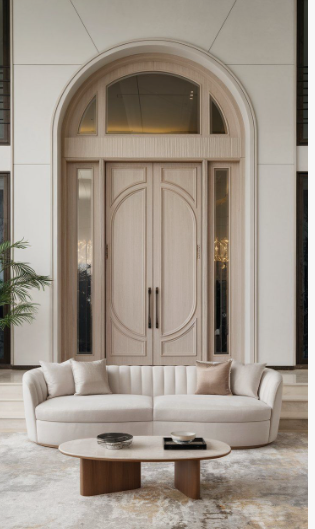
4. Elevated Interior Doors Are Becoming Design Features
Interior doors are no longer being treated simply as functional elements. In 2026 interior design, doors can contribute directly to the visual identity of a room.
For example, clean flush doors, refined Shaker profiles, pocket doors, updated barn doors, and glass-panel designs can all support different decorating styles.
Popular Interior Door Ideas
Flush doors: Their simple surfaces work well in contemporary and minimalist interiors.
Shaker doors: A timeless option that can work in both traditional and modern homes.
Pocket doors: Useful when you want to save floor space or create a flexible layout.
Glass-panel doors: They can help distribute light and make spaces feel more open.
Natural wood finishes are also important, particularly when homeowners want to introduce warmth without relying heavily on decoration.
Instead of treating doors as background elements, consider how their material, profile, hardware, and finish interact with the rest of the room.
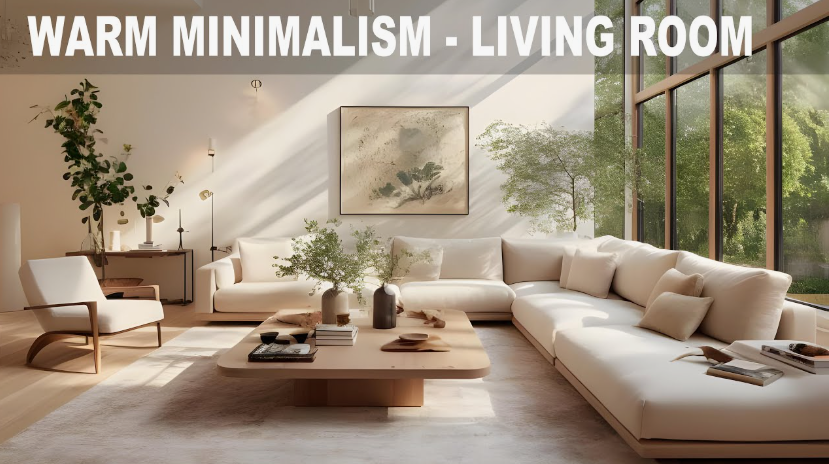
5. Warm Minimalism Makes Simple Spaces More Comfortable
Traditional minimalism can sometimes feel extremely stark. Warm minimalism takes the same appreciation for simplicity but adds softness, texture, and comfort.
This is one of the most practical minimalist home decor trends for people who want an uncluttered home without making it feel cold.
Key elements include:
Soft neutral colors
Light wood
Natural stone
Textured fabrics
Simple furniture
Warm lighting
Handmade accessories
Open and uncluttered layouts
The goal is not simply to own fewer objects. It is to make every visible element feel useful, intentional, or meaningful.
Create a Warm Minimalist Room
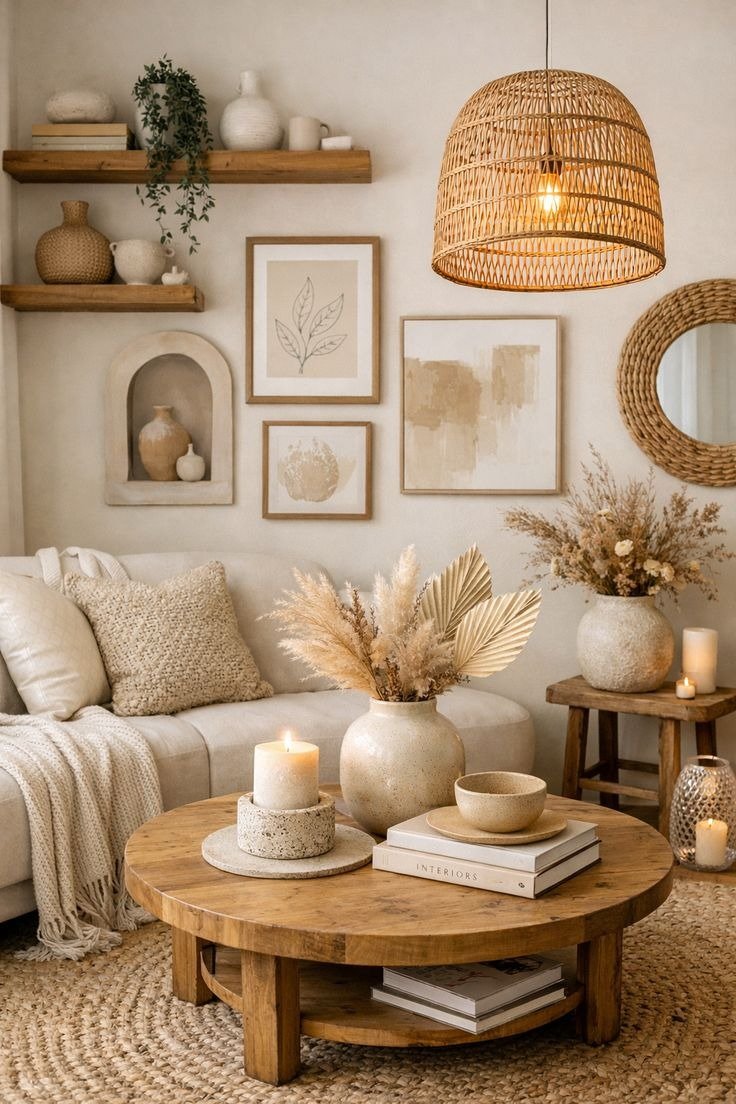
Start with a restrained color palette. Add warmth through wood, woven materials, soft textiles, and gentle lighting rather than filling the room with accessories.
A simple sofa, textured rug, wooden table, and a few carefully selected decorative objects can be enough.
As a result, warm minimalism combines visual simplicity with a more relaxed and welcoming atmosphere, a direction emphasized in the source’s 2026 trend discussion.
6. Organic Luxe Blends Nature With Sophistication
Organic Luxe interior design brings together natural materials and refined finishes. It is ideal if you like elegant spaces but want them to feel relaxed rather than overly formal.
Common materials include:
Richly grained wood
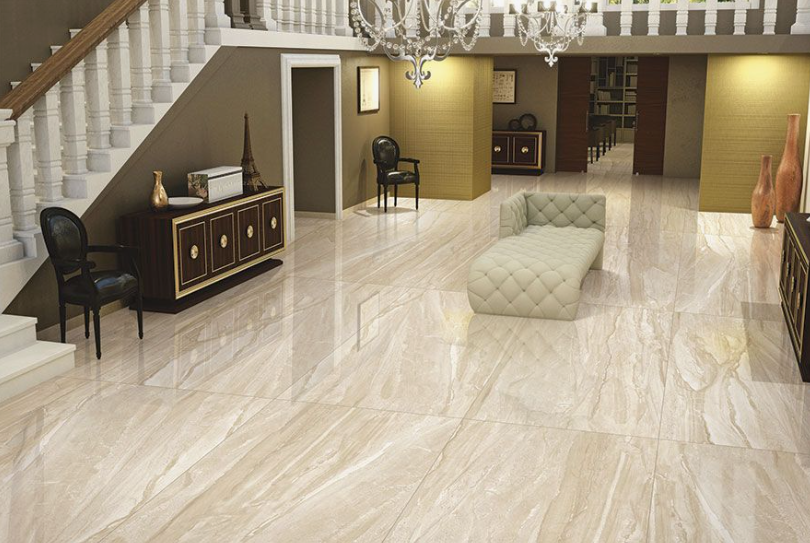
Natural stone
Handmade tiles
Textured plaster
Linen and other natural fibers
Artisanal textiles
Brass accents
Marble details
The overall effect is luxurious without depending entirely on shiny or overly polished surfaces.
Why Organic Luxe Works
Natural textures make a room feel grounded, while refined lighting, sculptural furniture, or carefully selected metal accents provide sophistication.
You can adapt the idea to almost any budget. Instead of changing everything, introduce one or two high-impact natural materials, such as a stone surface, wooden furniture piece, textured wall, or handmade decorative item.
The source describes Organic Luxe as a combination of tactile natural materials, sculptural forms, and elevated finishes designed to create a refined but grounded atmosphere.
7. Wallpaper Is Making a Strong Comeback
Wallpaper is becoming an important part of wall decor ideas 2026, especially for people who want to add personality without filling a room with furniture.
For instance, today’s wallpaper choices can range from delicate patterns to bold botanical designs, textured finishes, murals, and subtle materials-inspired effects.
Consider wallpaper for:
Bedrooms
Dining rooms
Entryways
Reading corners
Powder rooms
Accent walls
How to Use Wallpaper Without Overdoing It
You do not have to cover every wall. An accent wall can create a focal point while keeping the rest of the room calm.
For a small space, a subtle pattern can add depth without making the room feel visually crowded. In a larger room, a stronger pattern can help define a specific area.
Wallpaper is particularly useful when you want to introduce pattern, texture, color, and personality without replacing major furniture pieces.
8. Vintage Revival Brings Personality Into Modern Homes
The vintage home decor trend is another major direction for 2026. Rather than furnishing an entire room with brand-new pieces, homeowners are incorporating objects that have history and character.
Similarly, a vintage dresser, old-style mirror, reclaimed table, traditional lamp, or secondhand decorative object can give a modern room a more personal feeling.
Mix Vintage and Modern Pieces
The easiest way to use this trend is to avoid creating a room that looks like a period display.
Instead, combine one or two vintage pieces with contemporary furniture.
For example:
Vintage mirror + modern console
Antique-style cabinet + simple sofa
Older wooden table + contemporary dining chairs
Traditional artwork + minimalist wall
This creates contrast while allowing older pieces to become conversation starters.
Vintage elements can also support a more sustainable decorating approach by giving existing furniture a new role rather than relying entirely on new purchases.
The source highlights vintage and antique elements as a way to introduce individuality, craftsmanship, history, and emotional character.
9. Biophilic Design Brings Nature Indoors
Biophilic interior design continues to influence homes in 2026. Although houseplants are a familiar part of this approach, biophilic design goes much further.
It can include:
Natural wood
Stone
Indoor plants
Natural fibers
Large windows
Botanical patterns
Earthy colors
Organic shapes
Natural daylight
Nature-inspired artwork
The objective is to create an environment that feels connected to the outdoors.
Simple Biophilic Design Ideas
You can start without making major structural changes.
Add a few plants, introduce natural textures, choose earthy shades, or replace synthetic-looking accessories with wood, stone, ceramic, or woven materials.
If your room receives good natural light, keep window areas visually open so daylight becomes part of the overall design.
The source specifically connects this trend with natural materials, organic forms, earthy palettes, natural light, and nature-inspired details.
10. Sculptural and Organic Forms Soften Modern Rooms
Straight lines are making room for more rounded and expressive shapes. Sculptural furniture and organic shapes are becoming popular because they introduce movement and softness into interiors.
You might see:
Curved sofas
Rounded coffee tables
Circular dining tables
Arched doorways
Sculptural lamps
Rounded kitchen islands
Curved chairs
Handcrafted ceramics
These shapes can make a room feel less rigid while creating an artistic focal point.
Add Sculptural Pieces Without Redesigning Your Home
You do not need several unusual furniture pieces. One distinctive object can be enough.
A curved chair, rounded side table, artistic lamp, or handmade ceramic vase can introduce the trend without overwhelming an otherwise simple room.
Sculptural forms also work particularly well with warm minimalism, natural materials, and heritage-inspired interiors because their softer silhouettes help balance harder architectural lines.
How to Combine Interior Design Trends in 2026
One of the biggest lessons from interior design trends 2026 is that you do not need to follow one trend from beginning to end.
A better approach is to select ideas that complement one another.
For example:
Warm Minimalism + Biophilic Design Use neutral walls, light wood, plants, natural textiles, and simple furniture.
Modern Heritage + Vintage Revival Combine classic architectural details with one or two vintage pieces and contemporary lighting.
Organic Luxe + Sculptural Forms Pair stone, wood, textured fabrics, and brass with curved furniture or artistic lighting.
Mixed Wood + Modern Heritage Use different wood finishes while maintaining traditional architectural details.
Wallpaper + Minimalism Keep the furniture simple and let a single patterned wall become the focal point.
The goal is balance. If every element demands attention, the room can feel chaotic. If everything is identical, it may feel flat.
How to Choose the Right 2026 Interior Design Trend for Your Home
Before buying furniture or changing your walls, think about how you actually use the room.
Ask yourself:
How do I want this room to feel?
Which materials do I naturally like?
How much maintenance can I manage?
What pieces do I already own?
Does the trend work with my home’s architecture?
Can I use the trend without replacing everything?
For a calm home, warm minimalism and biophilic design may be good starting points.
If you prefer character and history, Modern Heritage and vintage elements can provide more personality.
If you enjoy artistic interiors, sculptural furniture, wallpaper, and Organic Luxe finishes can create a more expressive look.
Most importantly, do not choose a trend simply because it is popular. Your home should support your lifestyle as well as your aesthetic preferences.
Interior Design Trends 2026 on a Budget
Following home decor trends 2026 does not require a complete renovation.
Try affordable updates such as:
Replacing throw pillows
Adding a vintage mirror
Introducing plants
Using textured curtains
Adding a small sculptural lamp
Installing removable wallpaper
Mixing existing wood furniture
Changing cabinet hardware
Adding natural woven accessories
Rearranging furniture to improve flow
Small changes can have a surprisingly strong visual effect.
Instead of trying to copy an entire showroom, choose one trend and interpret it according to your existing space.
Are 2026 Interior Trends About Style or Comfort?
The strongest trends for 2026 bring both together.
Modern homes are increasingly being designed around the experience of living in them. Materials should feel pleasant, furniture should be functional, and decorative choices should have some connection to the people who use the space.
This is why natural textures, personal decor, vintage furniture, organic materials, and comfortable interiors appear so frequently across current design directions.
The broader theme is not perfection. It is personality.
A home can look stylish while still containing books, memories, imperfect objects, inherited furniture, handmade pieces, and everyday comforts.
Frequently Asked Questions About Interior Design Trends 2026
What is the biggest interior design trend for 2026?
There is no single trend that suits every home, but warmth, natural materials, personal character, tactile textures, and organic forms are major themes across the 2026 interior landscape.
What colors are popular in interior design for 2026?
The source emphasizes warm and earthy directions, natural wood tones, soft neutrals, and nature-inspired palettes rather than relying on one universal color scheme.
Is minimalism still popular in 2026?
Yes. Minimalism is evolving into warm minimalism, which keeps spaces uncluttered while introducing natural materials, softer textures, comfortable furniture, and warmer visual elements.
Are vintage pieces still fashionable in 2026?
Yes. Vintage and antique elements are increasingly being used alongside modern furniture to give interiors more personality, history, and individuality.
How can I make my home look modern without renovating?
Focus on smaller changes such as lighting, textiles, furniture arrangement, natural accessories, artwork, plants, hardware, wallpaper, or a single statement piece.
Can I mix different interior design styles?
Absolutely. Combining styles can create a more personal home when there is a clear connection through color, material, scale, or repeated design elements.
For more expert inspiration and ideas, explore interior spaces and decorating trends from Architectural Digest.
Final Thoughts on Interior Design Trends 2026
The most exciting interior design trends 2026 are not about creating homes that look identical. They are about creating spaces that feel personal, comfortable, expressive, and connected to everyday life.
Modern Heritage adds history, mixed wood tones create warmth, fluted details introduce texture, and elevated doors make functional elements more intentional. Warm minimalism keeps rooms calm, while Organic Luxe adds sophistication through natural materials. Wallpaper and vintage pieces bring personality, while biophilic design and sculptural forms connect interiors with nature and artistic expression.
You do not need to adopt all 10 trends. Choose the ideas that genuinely fit your home, lifestyle, and taste.
The best interior is not necessarily the one that follows every trend. It is the one that feels comfortable, thoughtful, useful, and unmistakably yours.