








The 5 pillars of wellness provide a simple framework for supporting a healthier, more balanced, and fulfilling lifestyle. By focusing on different areas of well-being, you can develop healthy habits, improve your daily routine, and create greater balance in life
Wellness is about more than simply avoiding illness. It involves caring for different parts of your life so your body, mind, emotions, and relationships can function in a healthy and balanced way. This broader perspective is often called holistic wellness, where multiple areas of well-being are considered together rather than focusing on only one aspect of health.
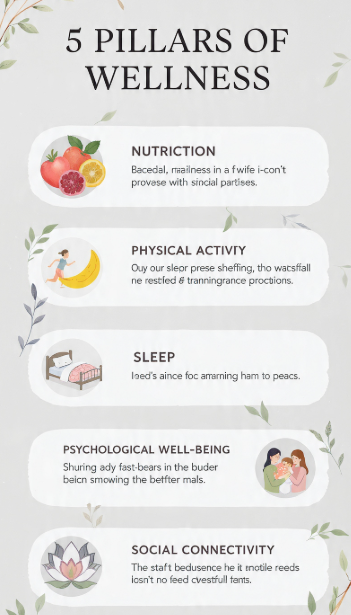
One practical framework is the 5 pillars of wellness: nutrition, physical activity, sleep, psychological well-being, and social connectivity. These pillars provide a useful way to understand the habits and lifestyle factors that can contribute to overall well-being.
Although wellness models can contain different numbers of pillars, the underlying idea is similar: wellness is multidimensional and personal. Some frameworks expand the concept to include areas such as spiritual, intellectual, financial, or environmental wellness. The eight-pillar model, for example, includes physical, nutritional, emotional, social, spiritual, intellectual, financial, and environmental dimensions.
In this guide, we will focus on the five pillars of wellness, explain what each one means, explore why they matter, and share practical ways to support each area in everyday life.
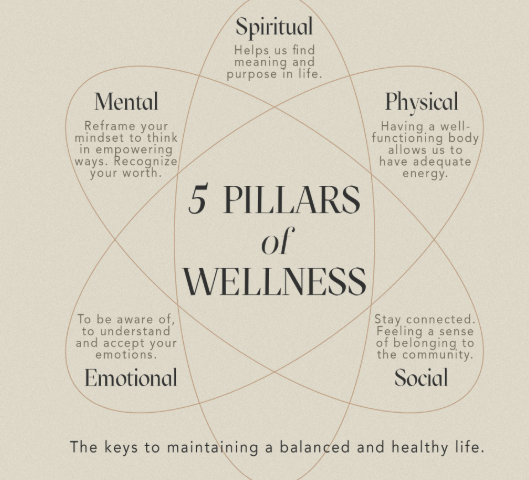
What Are the 5 Pillars of Wellness?
The 5 pillars of wellness are five interconnected areas that can help you build a healthier and more balanced lifestyle:
- Nutrition
- Physical Activity
- Sleep
- Psychological Well-Being
- Social Connectivity
These pillars should not be viewed as completely separate categories. They influence one another and can work together to support overall well-being.
For example, nutritious food can provide the energy needed for daily activities, regular physical activity can support a healthy routine, sufficient sleep can help with daily functioning, psychological wellness can influence how you respond to challenges, and supportive relationships can provide connection and encouragement.
The most appropriate wellness routine will vary from person to person. Individual circumstances, lifestyle, environment, responsibilities, and personal needs all influence what a balanced approach to wellness looks like.
1. Nutrition and the 5 Pillars of Wellness: Build a Strong Foundation With Balanced Food Choices
Nutrition is the first pillar of wellness because the foods and beverages you consume provide energy and nutrients that your body needs for everyday functions.
Nutritional wellness is not about eating perfectly or following restrictive trends. Instead, it is about developing sustainable eating habits and choosing a variety of foods that provide important nutrients.
A balanced eating pattern can include fruits, vegetables, whole grains, protein-rich foods, healthy fats, and adequate fluids. The exact combination can vary depending on individual needs and circumstances.
The broader holistic wellness source also emphasizes that nutrition deserves attention as its own area because nutritional needs can vary according to factors such as age and activity level.

Why Is Nutritional Wellness Important for the 5 Pillars of Wellness?
Good nutrition can support:
- Daily energy
- Normal body functions
- Physical activity
- Recovery
- Concentration and cognitive function
- Overall health
Nutrition can also influence other wellness pillars. For example, having balanced meals may help provide energy for physical activity, while establishing regular eating habits can become part of a structured daily routine.
Simple Ways to Improve Nutritional Wellness as Part of the 5 Pillars of Wellness
You can support this pillar without making dramatic changes. Try to:
- Include a variety of fruits and vegetables in your meals.
- Choose nutrient-rich foods regularly.
- Include different sources of protein.
- Choose whole grains more often when appropriate.
- Drink enough water throughout the day.
- Learn about basic nutrition and food choices.
- Focus on consistency instead of perfection.
The goal is to create eating habits that are realistic and sustainable for your lifestyle.
2. Physical Activity and the 5 Pillars of Wellness: Make Movement Part of Everyday Life
Physical activity is the second pillar of wellness. Regular movement is an important part of maintaining physical health and can also contribute to mental and emotional well-being.
Physical activity does not have to mean intense workouts. Walking, cycling, swimming, recreational sports, dancing, stretching, and other forms of movement can all contribute to an active lifestyle.
The important point is to find activities that are appropriate for your abilities and that you can maintain consistently.
Why Is Physical Wellness Important in the 5 Pillars of Wellness?
Regular physical activity can support:
- Cardiovascular fitness
- Muscular strength
- Mobility
- Physical functioning
- Energy
- Mood and general well-being
Physical wellness also goes beyond exercise. It can include personal hygiene, adequate rest, healthy routines, and paying attention to your body’s needs. The source material similarly explains that physical wellness involves more than exercise alone and connects physical wellness with sleep and healthy lifestyle habits.

How Can You Improve Physical Wellness as Part of the 5 Pillars of Wellness?
Consider simple ways to introduce more movement into your routine:
- Take regular walks.
- Participate in a sport you enjoy.
- Try cycling or swimming.
- Take movement breaks during long periods of sitting.
- Practice appropriate stretching or mobility exercises.
- Choose activities that you enjoy enough to continue regularly.
You do not need to completely transform your routine overnight. Small, consistent changes can be easier to maintain.
3.Sleep and the 5 Pillars of Wellness: Prioritize Rest and Recovery
Sleep is the third pillar of wellness and an essential part of a healthy lifestyle.
During sleep, the body and mind have time to rest and recover. Poor sleep routines can make everyday activities more difficult, while consistent and sufficient sleep can support energy, concentration, mood, and daily functioning.
Sleep requirements differ depending on age and individual circumstances. For adults, the supplied source references recommendations of approximately 7–9 hours of sleep per night.
However, sleep quality and consistency matter as well as duration.

Why Is Sleep Important for the 5 Pillars of Wellness?
Healthy sleep habits can support:
- Daily energy
- Concentration
- Mood
- Recovery
- Regular daily routines
- Overall well-being
Sleep can also interact with the other pillars. For example, physical activity may become harder when someone is consistently tired, while stress may make it more difficult to maintain a relaxing bedtime routine.
Tips for Better Sleep Habits
You can create a healthier sleep environment by:
- Maintaining a consistent sleep schedule.
- Creating a relaxing bedtime routine.
- Reducing screen exposure before bed.
- Keeping your bedroom comfortable and quiet.
- Limiting unnecessary light and noise.
- Giving yourself enough time for adequate sleep.
The supplied source specifically recommends reducing screen use before bedtime, developing a relaxing wind-down routine, and limiting unnecessary light and noise.
4. Psychological Well-Being: Support Your Mental and Emotional Health
Psychological well-being is the fourth pillar of wellness. It involves understanding your emotions, managing everyday challenges, developing healthy coping strategies, and recognizing when you may need support.
Psychological wellness does not mean being happy all the time. Everyone experiences difficult emotions, stress, disappointment, and uncertainty. Wellness involves developing healthy ways to recognize and respond to those experiences.
Emotional awareness can also improve communication. When you understand your feelings, it may become easier to explain what you need and communicate effectively with people around you.

Why Does Psychological Wellness Matter?
Supporting psychological well-being can help you:
- Understand your emotions.
- Manage everyday stress.
- Develop healthy coping strategies.
- Build self-awareness.
- Maintain healthier relationships.
- Make thoughtful decisions.
- Recognize when additional support may be helpful.
The source material describes emotional wellness as the ability to identify, assess, and effectively communicate feelings. It also discusses journaling, supportive people, and professional counseling as possible ways to support this area.
Ways to Support Psychological Well-Being
Some healthy strategies include:
- Keeping a journal.
- Making time for hobbies and enjoyable activities.
- Practicing mindfulness or quiet reflection.
- Talking with someone you trust.
- Taking reasonable breaks from stressful activities.
- Maintaining a supportive daily routine.
- Seeking help from a qualified professional when needed.
There is no single psychological wellness strategy that works for everyone. Finding healthy approaches that fit your circumstances is part of the wellness process.
5. Social Connectivity: Strengthen Meaningful Relationships
Social connectivity is the fifth pillar of wellness. It focuses on developing meaningful relationships, maintaining supportive connections, communicating with others, and creating a sense of belonging.
Social wellness does not require having a huge social circle. A small number of trustworthy and supportive relationships can be meaningful.
Family members, friends, classmates, colleagues, neighbors, community groups, and other positive connections can all contribute to a person’s social environment.

Why Is Social Wellness Important?
Healthy social connections can provide:
- Emotional support
- A sense of belonging
- Encouragement
- Companionship
- Opportunities for shared experiences
- Community connection
The source material highlights the importance of supportive relationships and explains that social connections can contribute to happiness and provide support during challenging periods.
How Can You Improve Social Wellness?
Try simple actions such as:
- Regularly checking in with family and friends.
- Spending quality time with people you care about.
- Joining an appropriate community or hobby group.
- Participating in social activities.
- Volunteering in your community.
- Listening carefully during conversations.
- Making time for important relationships.
Social relationships require attention and consistency. Even small efforts can help maintain meaningful connections.
How the 5 Pillars of Wellness Work Together
One of the most important things to understand about the 5 pillars of wellness is that they are interconnected.
Improving one pillar can make it easier to support another. For example:
Nutrition → Physical Activity: Balanced nutrition can provide energy for daily movement and exercise.
Physical Activity → Sleep: Regular movement can become part of a healthy daily routine and may support overall well-being.
Sleep → Psychological Wellness: Adequate rest can support daily functioning and make it easier to manage everyday responsibilities.
Psychological Wellness → Social Wellness: Better self-awareness and communication can contribute to healthier relationships.
Social Wellness → Psychological Wellness: Supportive relationships can provide encouragement and a sense of connection.
This interconnected approach is one reason why holistic wellness is more useful than focusing on only one aspect of health.

Why Are the 5 Pillars of Wellness Important?
The five pillars are important because wellness involves multiple dimensions of everyday life.
Someone might focus heavily on exercise but neglect sleep. Another person might eat a balanced diet but have very little social connection. Someone else may have strong relationships but struggle to maintain healthy daily routines.
Looking at wellness through several connected areas can help identify where additional attention may be useful.
The goal is not to achieve perfection in every pillar. Instead, the goal is to create a balanced lifestyle that supports your individual needs.
5 Pillars of Wellness vs. Other Wellness Models
There is no single universal list of wellness pillars.
Different health and wellness organizations use different frameworks. Some describe six pillars, while others use eight or twelve. For example, the supplied WellSteps material presents physical, mental and emotional, nutritional, occupational, financial, and social wellness as six areas.
Another source uses a five-pillar framework consisting of nutrition, physical activity, sleep, psychological well-being, and social connectivity.
The broader source provided for this article describes an eight-pillar framework that adds spiritual, intellectual, financial, and environmental wellness.
These differences do not necessarily mean that one framework is correct and another is wrong. They reflect different ways of organizing the many factors that contribute to well-being.
For a general wellness guide, the five-pillar model is useful because it focuses on several everyday foundations that are easy to understand and apply.
How to Create a Personal Wellness Routine
Understanding the pillars of wellness is only the first step. The next step is applying them to your daily life.
You can begin with a simple self-check.
Step 1: Review Your Current Habits
Think about your current nutrition, physical activity, sleep, psychological well-being, and social connections.
Ask yourself which areas are working well and which areas could use more attention.
Step 2: Choose One Area to Improve
Avoid trying to change everything at once.
Choose one realistic area that you want to improve first. For example, you might decide to establish a more consistent bedtime routine or spend more time being physically active.
Step 3: Set a Small Goal
Make the goal specific and realistic.
Instead of saying, “I will completely change my lifestyle,” choose a smaller action that you can realistically repeat.
Step 4: Build Consistency
Wellness is based on habits rather than one-time actions.
Give yourself time to develop routines and adjust them when necessary.
Step 5: Reassess Your Progress
After some time, consider what is working and what is not.
Your wellness needs can change as your lifestyle and circumstances change, so your routine does not have to remain exactly the same forever.
Physical wellness supports a healthy lifestyle, and the World Health Organization provides trusted health guidance.

A Simple Pillars of Wellness Checklist
Use this checklist as a starting point for self-reflection:
- Nutrition: Am I making balanced and varied food choices?
- Physical activity: Am I getting regular movement that suits me?
- Sleep: Am I giving myself enough time for quality rest?
- Psychological well-being: Do I have healthy ways to manage stress and emotions?
- Social connectivity: Am I maintaining meaningful and supportive relationships?
You do not need to score perfectly in every category. The purpose of the checklist is simply to identify areas that may deserve more attention.
“Beauty can also contribute to emotional well-being by helping us appreciate nature, art, relationships, and the simple moments of everyday life. Learn more about the [importance of beauty in life] to understand how beauty can enrich our daily experiences.”
Frequently Asked Questions
What are the 5 pillars of wellness?
The 5 pillars of wellness are nutrition, physical activity, sleep, psychological well-being, and social connectivity. Together, they provide a practical framework for thinking about different areas that contribute to overall well-being.
Why are the 5 pillars of wellness important?
They are important because wellness involves more than physical health. Nutrition, movement, sleep, psychological well-being, and social relationships can interact and influence different parts of everyday life.
What is the most important pillar of wellness?
There is not necessarily one most important pillar. The five areas are interconnected, and the area that needs the most attention may differ from person to person.
How can I improve my overall wellness?
Start with small, realistic habits. Focus on balanced nutrition, regular physical activity, consistent sleep, healthy ways of managing emotions and stress, and meaningful social connections.
Are there more than five pillars of wellness?
Yes. Different wellness frameworks use different numbers of pillars. Some include six, eight, or twelve areas. Additional categories may include spiritual, intellectual, financial, occupational, or environmental wellness.
Is wellness the same for everyone?
No. Wellness is personal and can be influenced by individual circumstances, lifestyle, environment, and needs. The supplied holistic wellness source specifically notes that the path to wellness is not one-size-fits-all.
Final Thoughts
The 5 pillars of wellness offer a simple way to understand the different areas that contribute to a balanced lifestyle. Nutrition supports the body with essential nourishment, physical activity keeps you moving, sleep provides time for rest and recovery, psychological well-being supports emotional and mental health, and social connectivity helps create meaningful relationships.
Most importantly, these pillars work together.
You do not need to completely transform your life to begin improving your wellness. Start with one small, realistic habit and build from there. Over time, consistent attention to different areas of wellness can help create a lifestyle that better supports your health, daily functioning, relationships, and personal goals.
Wellness is not about achieving a perfect routine. It is about finding a sustainable balance that works for you.